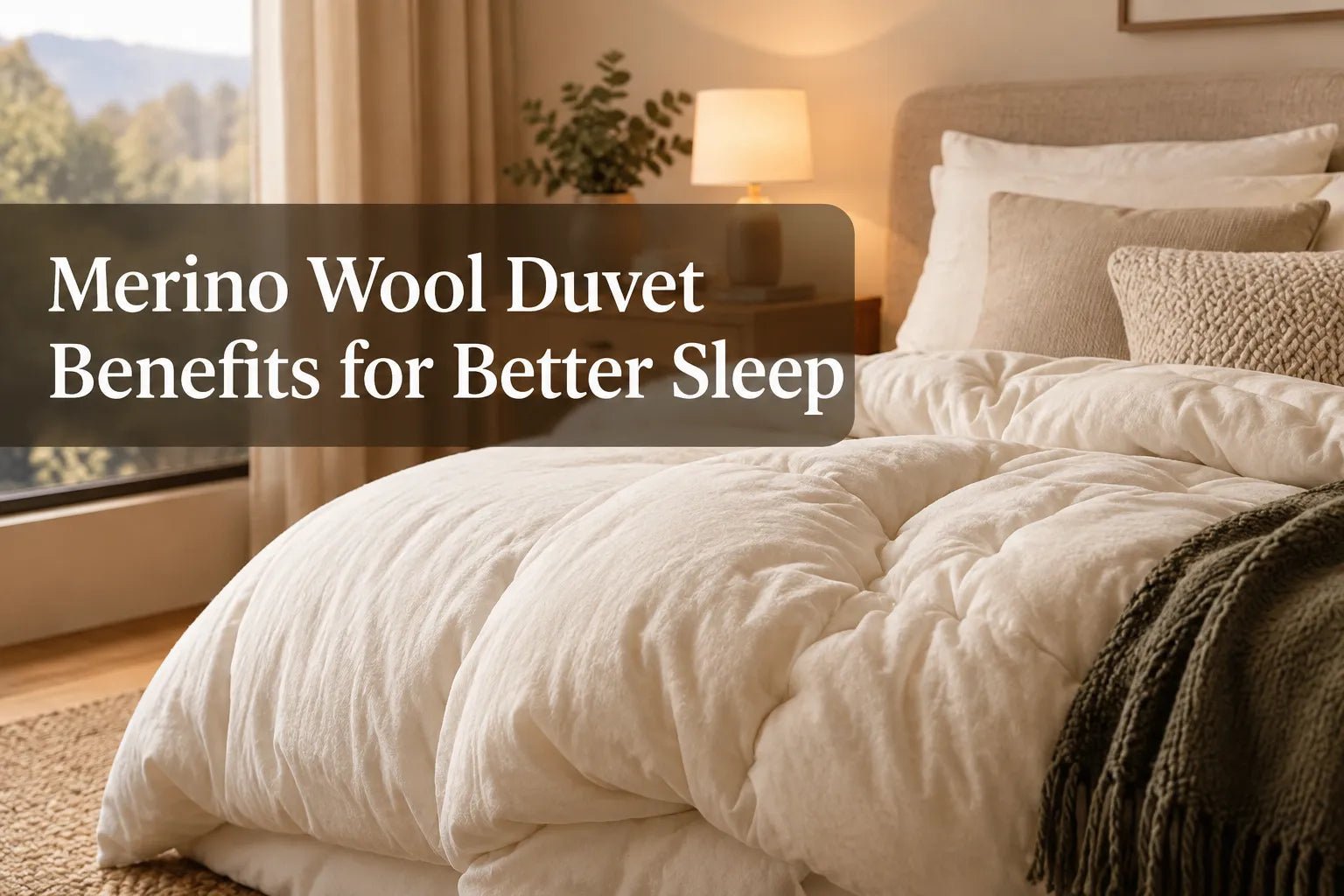

Duvet Insert What Is: A Cozy Guide for Better Sleep
Ever looked at a beautifully made bed and wondered what actually creates that fluffy, sink-right-in feeling? A duvet insert is the soft, filled layer that goes inside a duvet cover, and it plays a huge role in how warm, breathable, and cozy your bed feels each night.
If you’ve been confused by the difference between a duvet, comforter, duvet cover, and insert, you’re not alone. This guide clears it up in plain English so you can choose bedding that feels better, looks better, and fits the way you actually sleep.
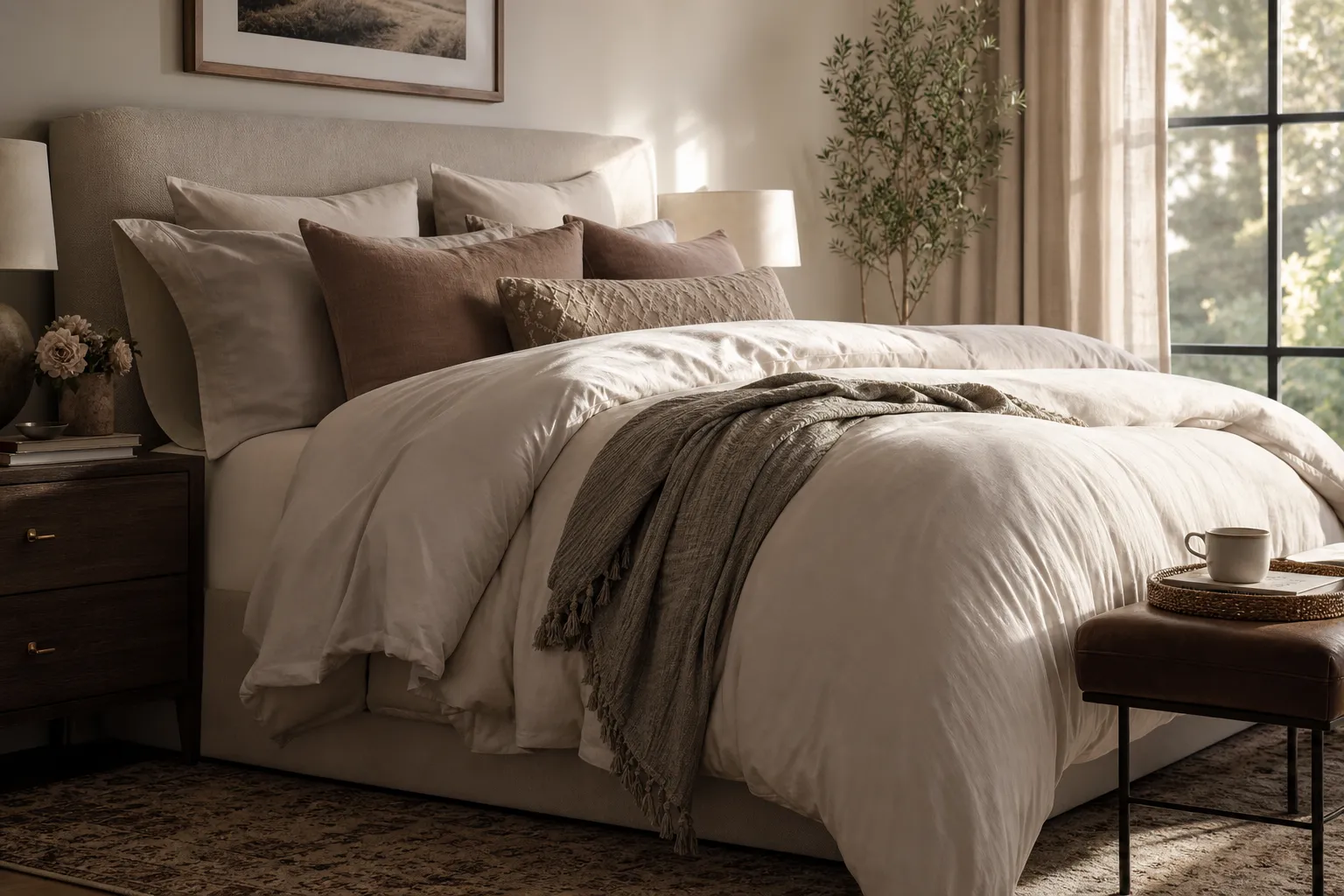
Duvet insert what is, exactly?
A duvet insert is the inner bedding layer filled with down, wool, silk, or synthetic fibers. It’s designed to provide warmth and loft, while a separate duvet cover wraps around it for style and protection.
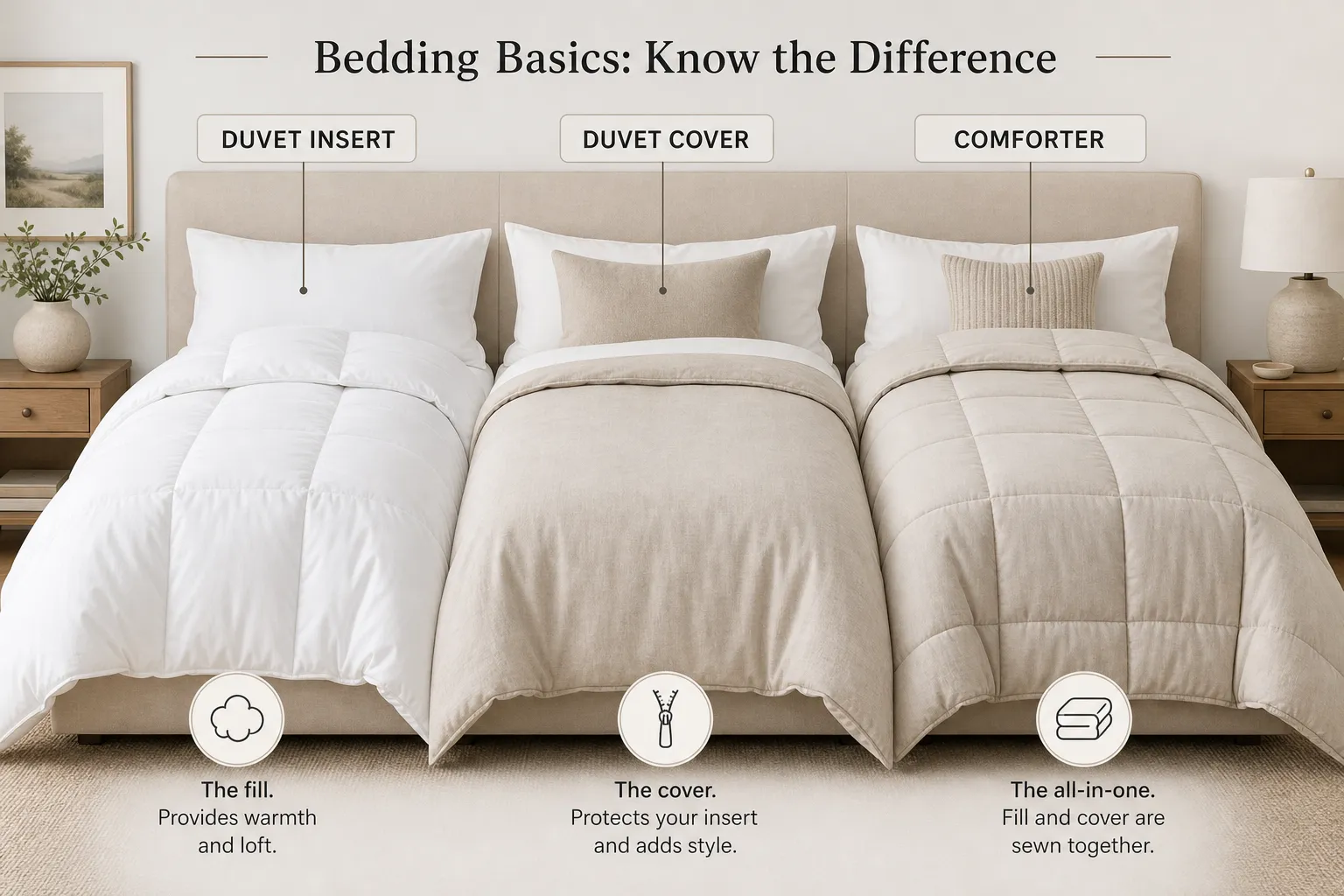
Think of it like this:
Duvet insert = the fill and warmth
Duvet cover = the outer fabric cover you see and wash
Duvet = often used as a casual term for both together
Comforter = a filled blanket that’s usually used on its own without a cover
That simple structure is why many people prefer duvet systems. You can change the look of your bed without replacing the insert itself, and you can fine-tune comfort more easily across seasons.
For a deeper side-by-side explanation, our guide on the difference between comforter and duvet explained can help if you’re still sorting out the bedding terms.
Why a duvet insert matters for sleep
A duvet insert matters because it affects your temperature, comfort, and even how restful your bed feels at the end of the day. If your current bedding makes you too hot, too cold, or strangely flat and lifeless, the insert is often the real issue.
The best inserts do three things well:
Regulate warmth so you stay comfortable through the night
Create loft so the bed feels plush and inviting
Pair with your cover so your bedding looks polished and stays cleaner longer
A lot of shoppers focus only on thread count or duvet cover style, but the insert is what your body actually feels most in terms of warmth and weight.
What’s inside a duvet insert?
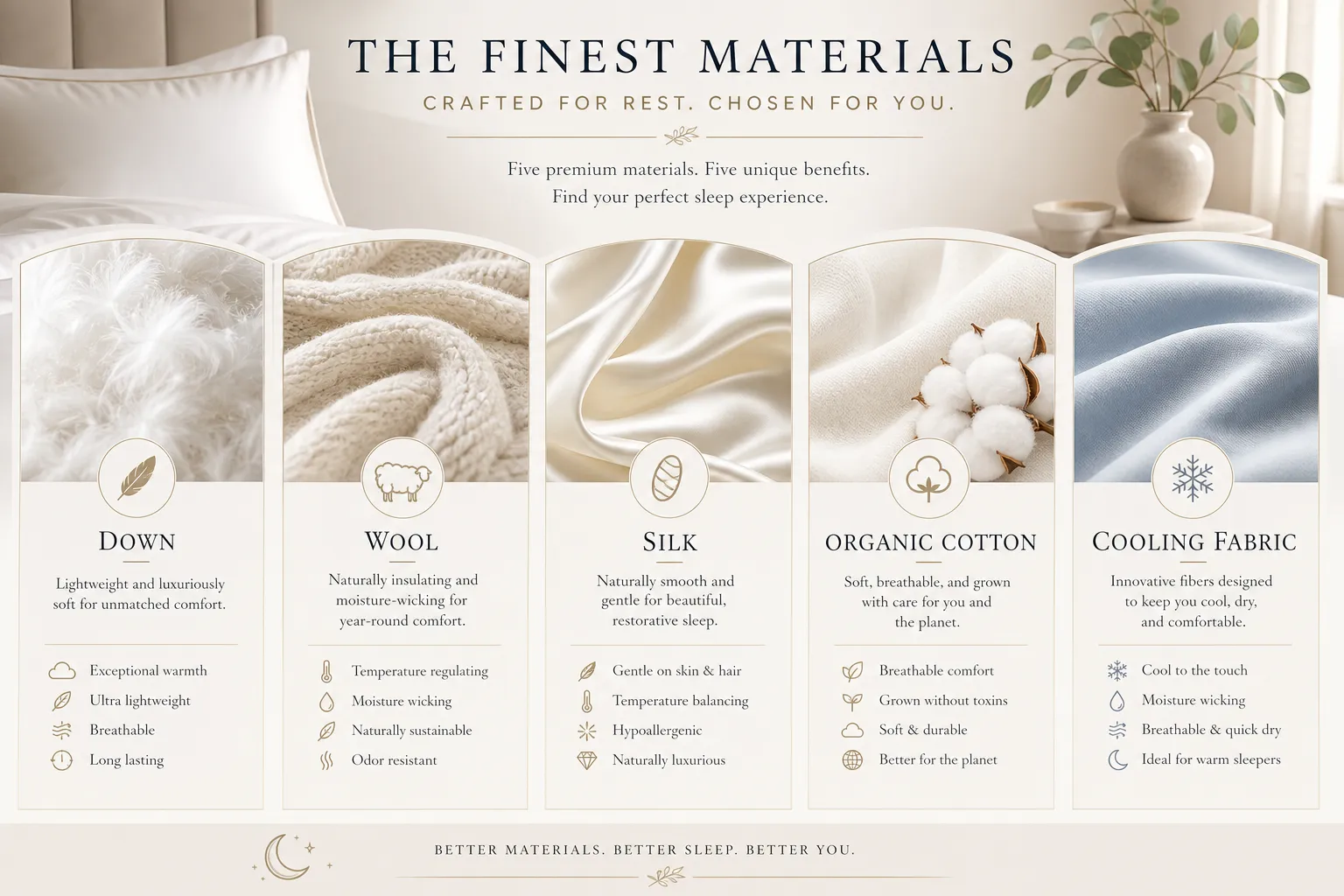
The fill inside a duvet insert determines how it feels, how warm it sleeps, and how easy it is to care for. There isn’t one perfect material for everyone, which is why the best choice depends on your sleep style.
Down
Down is made from the soft clusters beneath duck or goose feathers. It’s known for airy loft, strong insulation, and that classic hotel-bed look.
Choose down if you want:
light weight with lots of fluff
strong warmth without heaviness
a plush, cloudlike bed
Down alternative
Down alternative usually uses synthetic fibers designed to mimic the feel of down. It’s often easier to wash and a practical choice for allergy-sensitive homes.
Choose down alternative if you want:
easier everyday care
a lower-maintenance option
a more budget-friendly feel
Wool
Wool is naturally breathable and great at managing moisture. It tends to feel cozy without getting stuffy, which makes it a smart year-round option.
Choose wool if you want:
balanced warmth
natural temperature control
gentle, slightly weightier comfort
Silk
Silk inserts usually feel smoother, lighter, and more refined. They’re often a favorite for hot sleepers who still want a luxurious bed.
Choose silk if you want:
lighter warmth
elegant drape
a breathable luxury feel
Organic cotton blends and cooling fabrics
Some inserts use organic shells and performance fabrics like Tencel blends to keep the sleep environment fresher and cooler. These can work especially well if you care about cleaner materials or sleep warm.
Warmy & Tummy builds much of its collection around these choices, from organic cotton and European linen to goose down, merino wool, silk, and cooling fabrics, so you can match the insert to your real sleep habits instead of settling for a one-size-fits-all feel.
Duvet insert vs comforter vs duvet cover
A duvet insert is not the same thing as a comforter or a duvet cover. The confusion usually comes from the fact that people sometimes use the words interchangeably.
Here’s the clearest way to think about it:
Bedding Item |
What It Is |
Main Purpose |
Usually Used With |
|---|---|---|---|
Duvet insert |
Filled inner layer |
Warmth and loft |
Duvet cover |
Duvet cover |
Removable outer cover |
Style and protection |
Duvet insert |
Comforter |
Filled top layer, finished exterior |
Warmth as a standalone piece |
Usually no cover |
Blanket |
Lighter layer |
Extra warmth or layering |
Alone or under/over other bedding |
A comforter can sometimes work inside a duvet cover, but a true insert tends to fit better and stay in place more neatly. If you’re considering that route, you may like our guide on using a comforter as a duvet insert.
How to choose the right warmth level
The right warmth level depends on your body temperature, your room temperature, and the season. A duvet insert should keep you comfortable all night, not leave you kicking it off at 2 a.m.
A simple starting point:
Warmth Level |
Best For |
Typical Feel |
|---|---|---|
Lightweight / Cool |
Hot sleepers, summer, warm climates |
Airy and breathable |
Light Warm |
Mild climates, layered beds |
Cozy but not too thick |
All-Season / Medium |
Most sleepers, year-round use |
Balanced warmth |
Warm / Extra Warm |
Cold sleepers, winter, chilly rooms |
Plush and insulating |
If you tend to overheat, lighter fills or breathable materials like silk, wool, or cooling fabrics may feel better than very lofty down. If you run cold, a premium down insert often gives the most satisfying warmth-to-weight ratio.
How size affects comfort more than people expect
Duvet size changes how your bed feels just as much as material does. An insert that’s too small can leave gaps, drafts, and nightly tug-of-war. One that’s generously sized creates that draped, luxurious look people love.
A few practical tips:
Solo sleepers often enjoy sizing up for more coverage
Couples usually benefit from an oversized queen or king
Tall sleepers may want extra length, not just width
Deep mattresses often need more drop on the sides
If you’re shopping for a larger bed, our goose down duvet insert king buying guide can help you avoid sizing mistakes that make even premium bedding feel disappointing.
What construction details should you look for?
Construction affects how long an insert keeps its shape and how evenly the fill stays distributed. This is one of the biggest things cheaper bedding gets wrong.
Baffle box construction
Baffle box construction uses internal fabric walls to keep fill spread out evenly. It helps prevent cold spots and gives the insert better loft.
Sewn-through construction
Sewn-through construction stitches the top and bottom layers directly together. It’s often lighter and can work well for warmer weather, though it usually has less puffiness.
Corner loops
Corner loops help secure the insert inside the duvet cover. They reduce shifting and make your bed look neater.
Shell fabric
A quality shell can improve softness, durability, breathability, and overall feel. Organic cotton, linen, silk, and sateen-style shells all create slightly different sleep experiences.
If you want to understand why stitching matters so much, our guide on sewn-through or baffle box down comforter construction is worth bookmarking.
The most common mistake: choosing by fluff alone
A fluffy insert is not always the warmest, and a flatter insert is not always cooler. Loft, breathability, and fill material all work together.
That matters because many shoppers buy based on appearance first, then wonder why the bed feels too hot or not warm enough. The better approach is to choose for your sleep temperature first, then your preferred look second.
Best duvet insert materials compared
Here’s a quick side-by-side view if you’re trying to decide fast:
Fill Type |
Best For |
Feel |
Breathability |
Care |
Warmth |
|---|---|---|---|---|---|
Down |
Cold sleepers, luxury feel |
Lofty, airy |
Good |
Moderate to delicate |
Medium to very warm |
Down alternative |
Allergy-conscious homes, easy care |
Plush, slightly denser |
Moderate |
Usually easiest |
Light to warm |
Wool |
Year-round balance |
Cozy, gently weighted |
Excellent |
Moderate |
Medium |
Silk |
Hot sleepers, light luxury |
Smooth, refined |
Excellent |
More delicate |
Light to medium |
Organic/cooling blends |
Clean-material or warm sleepers |
Crisp to soft |
Very good |
Usually easy |
Light to medium |
What the top duvet guides often miss
Most duvet guides explain fill types and warmth levels, but they often stop short of helping you buy with confidence. A few things matter more in real life than many roundups admit.
Your duvet cover changes the experience
A duvet insert doesn’t exist on its own. The cover changes the feel against your skin, the way warmth is trapped, and the look of the bed. Crisp cotton feels different from silky sateen, washed linen, or cooling fabric.
Couples often need different solutions
If one person sleeps hot and the other sleeps cold, a single shared insert can be frustrating. Some couples prefer separate duvets or a customizable bedding setup so each side of the bed feels right.
Care needs should match your lifestyle
A beautiful insert isn’t a good choice if the cleaning requirements don’t fit real life. Families, pet owners, busy households, and guest rooms often do best with easier-care options.
This is one reason Warmy & Tummy stands out. The brand offers not just premium materials, but meaningful choice: organic cotton, silk, linen, goose down, merino wool, cooling fabrics, and mix-and-match comforter options that let you personalize comfort in a much more realistic way.
What kind of duvet insert is best for you?
The best duvet insert is the one that matches how you sleep, not just what looks pretty on the product page.
Choose down if you want hotel-style coziness
Down is a strong pick if you want loft, softness, and warmth without a heavy feel. It’s the classic choice for people who want their bed to feel full and indulgent.
Choose wool if you want balanced comfort
Wool works beautifully for sleepers who want warmth but hate stuffiness. It’s especially helpful if your temperature shifts during the night.
Choose silk if you sleep warm but still want luxury
Silk is often a smart choice for warm sleepers who don’t want the bed to feel flat or overly synthetic. It gives a lighter kind of comfort.
Choose down alternative if you want easy practicality
Down alternative works well when washable care, everyday durability, and simplicity matter most. It can be a great fit for kids’ rooms, guest rooms, and homes focused on convenience.
How to care for a duvet insert
Most duvet inserts last longer when you use a duvet cover and avoid over-washing. The insert provides the comfort, but the cover handles much of the everyday wear.
Basic care tips:
use a duvet cover to protect against oils and spills
fluff the insert regularly to keep fill even
spot clean small marks when possible
follow care instructions based on fill type
store it in a breathable bag when not in use
If you own a down-filled option, our guide on how to wash a down comforter the right way can help you protect the loft and avoid clumping.
Why premium inserts feel different
Premium duvet inserts usually feel better because the materials, shell quality, stitching, and fill distribution are all more thoughtfully made. That difference shows up in how the bed drapes, how evenly it warms, and how well it holds up over time.
Warmy & Tummy leans into that premium experience without making it feel intimidating. You’ll find high-quality materials, thoughtful seasonal options, customizable comforters, eco-conscious choices, limited-edition luxury designs, and practical trust signals like fast customer service, free shipping in the USA on qualifying orders, a 30-day hassle-free return policy, and a 3-year limited warranty on qualifying products.
When a duvet insert is the right choice
A duvet insert is the right choice when you want flexible comfort, easy style changes, and a bed that feels more tailored to you. It’s especially helpful if you like switching bedroom looks, need different warmth levels across seasons, or want a cleaner way to protect your bedding investment.
For many homes, it’s the most versatile bedding setup because you’re not locked into one fabric, one look, or one sleep feel all year long.
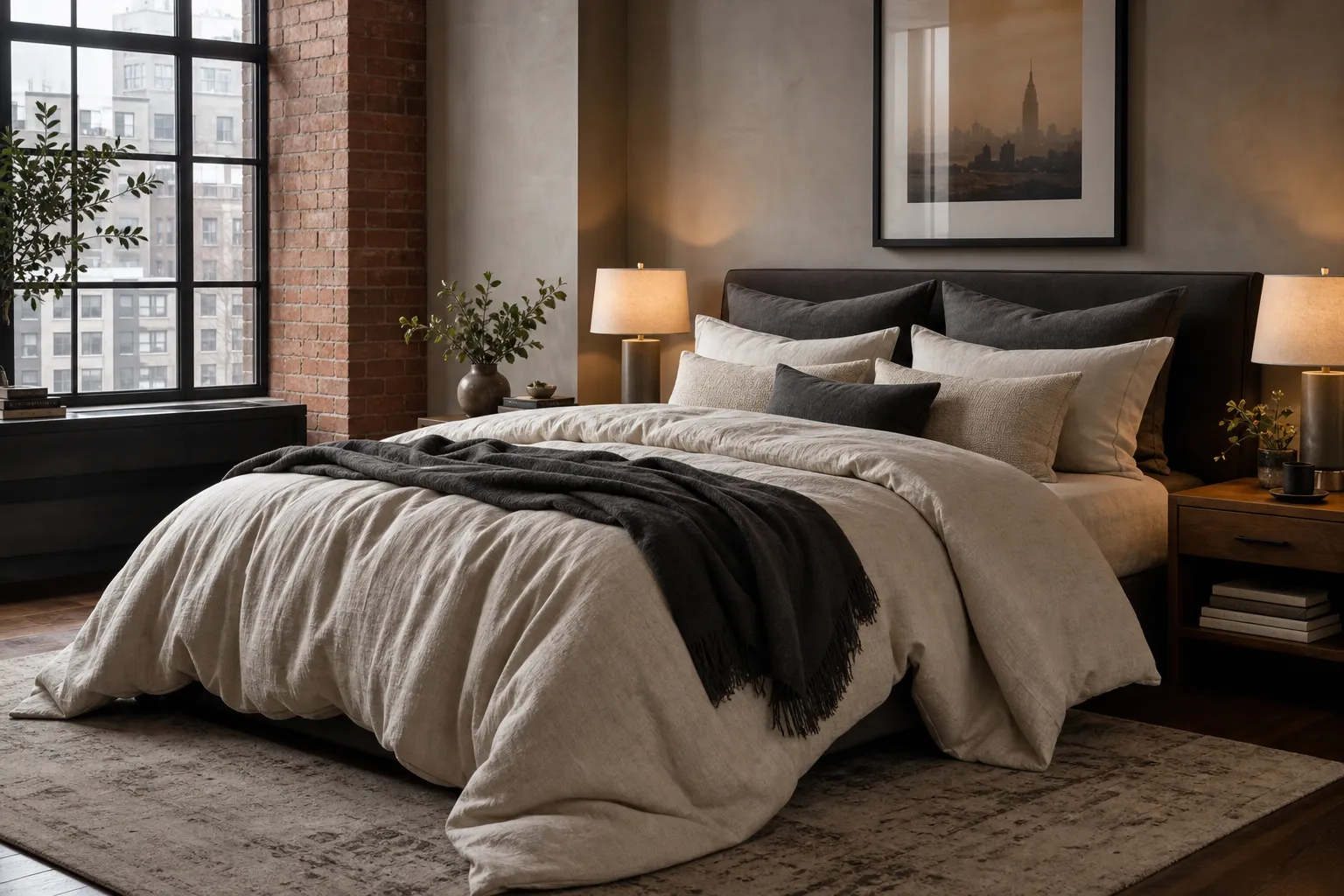
Final take: should you buy a duvet insert?
If you want a bed that feels more comfortable, more polished, and easier to personalize, a duvet insert is usually a smart upgrade. It gives you control over warmth, materials, and style in a way a basic one-piece comforter often can’t.
And if you’re ready to shop for one that feels genuinely well made, Warmy & Tummy is a reassuring place to start. The collection is built for real sleep needs, from cooling options and organic cotton shells to silk, linen, wool, and lofty goose down comforters. Add in customizable mix-and-match options, sustainable choices, responsive support, and a risk-reducing return policy, and it becomes much easier to build a bed you’ll actually look forward to every night.
FAQ
How do I make my bed feel more cozy?
Start with a quality duvet insert that matches your warmth needs, then pair it with a soft duvet cover and supportive pillows. Layering in breathable materials like cotton, wool, silk, or down can make your bed feel fuller, warmer, and much more inviting.
How do I make my bed feel like a cloud?
Choose a lofty insert, especially premium down if you like that fluffy hotel-bed look. Sizing up slightly, using a smooth cover, and fluffing the insert regularly can help create that soft, cloudlike drape.
What is the best duvet filling for hot sleepers?
For many hot sleepers, the best options are silk, wool, or cooling-performance fabrics because they breathe well and manage moisture better than heavy fills. A lightweight duvet insert can keep you comfortable without making the bed feel flat or bare.