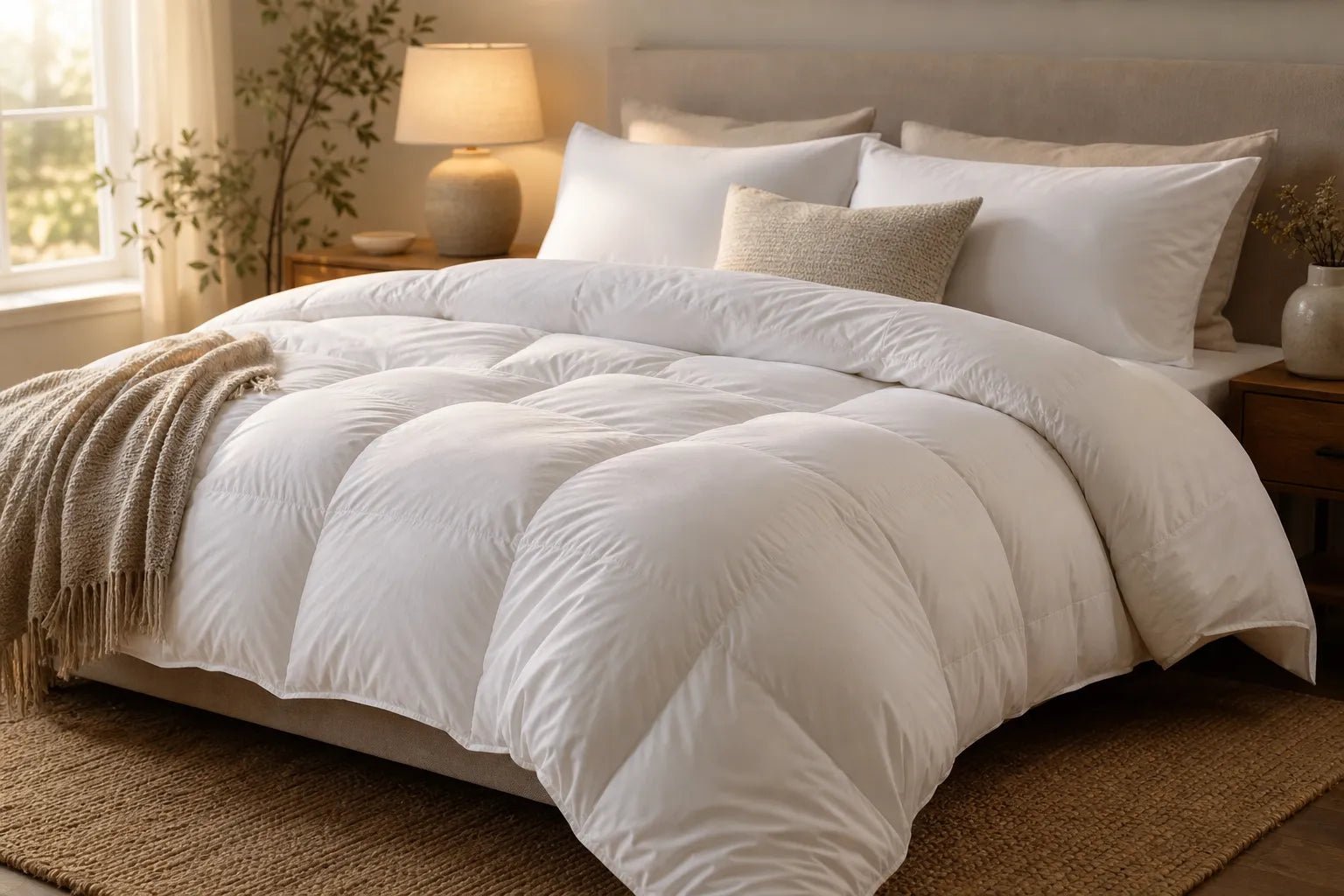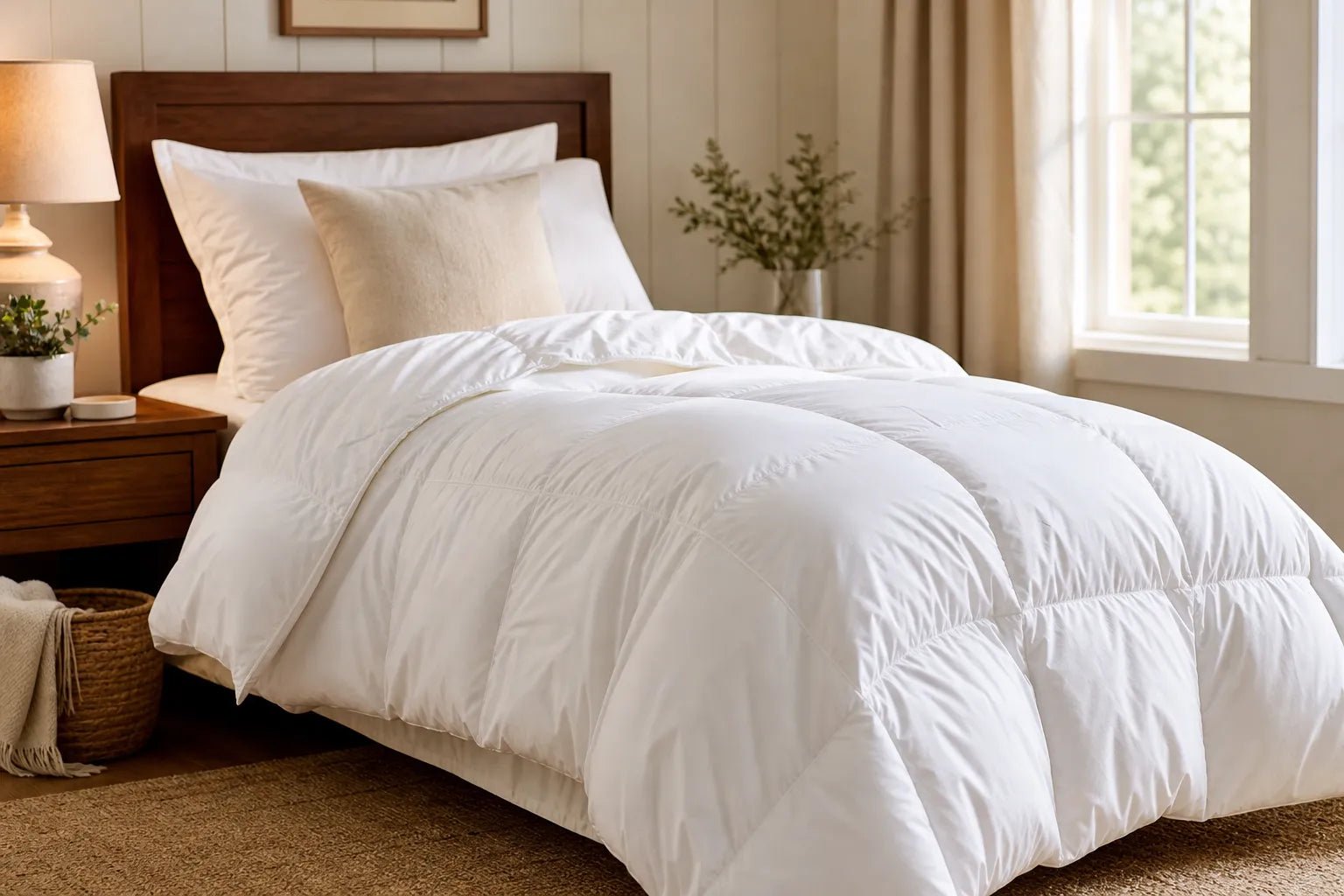

Using a Comforter as a Duvet Insert: What Works, What Doesn’t, and How to Get the Best Fit
If you’re wondering whether using a comforter as a duvet insert is actually a smart bedding hack, the short answer is yes - it can work. But whether it works well depends on the size, weight, construction, and warmth of both the comforter and the duvet cover.
For many households, slipping a comforter into a duvet cover is an easy way to refresh the look of the bed, protect the fill, and cut down on frequent washing. For others, it leads to bunching, corner gaps, overheating, or a lumpy, frustrating sleep setup. The difference comes down to choosing the right combination.
At Warmy & Tummy, we believe great bedding should feel effortless: plush, breathable, beautiful, and tailored to the way you sleep. That’s why this guide walks you through when a comforter can stand in for a duvet insert, when a true insert is the better choice, and how to create a bed that looks polished and feels deeply restful night after night.
The Quick Answer: Can You Use a Comforter as a Duvet Insert?
Yes, you can. A comforter can absolutely go inside a duvet cover and function like a duvet insert.
That said, not every comforter is designed for it. Traditional comforters are often meant to be used on their own, while duvet inserts are usually built specifically to sit inside a removable cover. That means duvet inserts often have features comforters may lack, such as corner loops, more balanced fill distribution, and sizing that better matches standard duvet covers.
If your current comforter fits well, stays in place, and gives you the warmth you want, using it inside a duvet cover can be a practical and attractive solution. If it shifts, feels too bulky, or traps too much heat, upgrading to a true duvet insert is usually worth it.
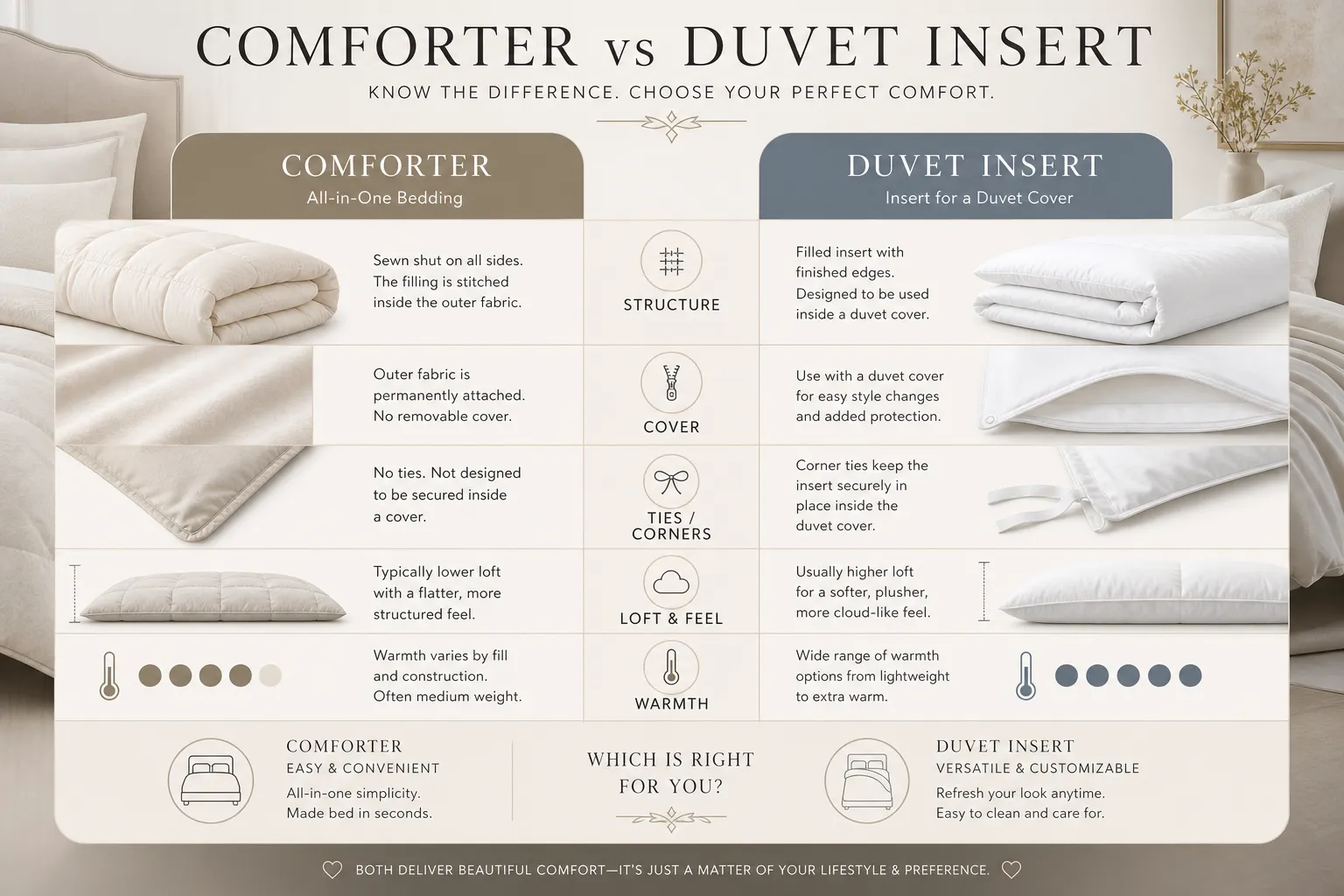
Comforter vs. Duvet Insert: What’s the Real Difference?
Many shoppers use these terms interchangeably, but there are meaningful differences.
Feature |
Comforter |
Duvet Insert |
|---|---|---|
Intended use |
Often used on its own |
Designed to go inside a duvet cover |
Exterior look |
Usually decorative or finished |
Usually plain, functional shell |
Corner ties/loops |
Not always included |
Commonly included |
Fit inside cover |
Can vary |
Usually more compatible |
Care routine |
Whole comforter must be washed |
Cover is washed more often; insert less often |
Loft and drape |
May be flatter or more sewn-down |
Often fluffier and more insert-friendly |
Why this matters in real life
A comforter may fit into a duvet cover, but it may not behave like a proper insert. The most common issues are:
shifting inside the cover
uneven corners
excess bulk
a too-short or too-long fit
warmth that feels wrong for the season
A well-made duvet insert is engineered to reduce those issues. That’s especially helpful if you love a crisp, hotel-style bed or want a sleep setup that looks smooth and luxurious every morning.
When Using a Comforter as a Duvet Insert Works Best
In many bedrooms, this solution works surprisingly well - especially when the bedding pieces are closely matched.
It works well if your comforter is the right size
The best-case scenario is when your comforter and duvet cover have very similar dimensions. A slight difference can be fine, but a major mismatch will usually cause bunching or empty space.
As a general rule:
a comforter that is slightly larger can create a fuller look, but too much extra size will bunch
a comforter that is slightly smaller may look limp and slide around
oversized beds often need special attention because brand sizing varies more than people expect
It works well if the comforter isn’t overly slippery
Smooth synthetic shells can move around more inside a duvet cover, especially if the cover is made from crisp cotton or linen. A comforter with a bit of grip, texture, or internal quilting tends to stay put better.
It works well if you want easier maintenance
A duvet cover acts like a washable outer layer. That means your comforter stays cleaner for longer, which is ideal for busy families, guest rooms, and anyone who wants to reduce wear on a favorite bedding piece.
It works well for style updates
One of the biggest advantages is flexibility. You can change the mood of your room with a new duvet cover rather than replacing the entire comforter. This is especially appealing if you like seasonal bedding looks, layered neutrals, or limited-edition luxury textures.
When a True Duvet Insert Is the Better Choice
There are also times when using a comforter as a stand-in is more compromise than convenience.
Choose a real duvet insert if you want a flawless fit
If you care about a tidy, elevated, boutique-hotel look, a duvet insert is usually the better investment. It tends to fill out the cover more evenly and stay more centered.
Choose a real duvet insert if you need corner security
Many duvet inserts come with corner loops that tie into the inside ties of a duvet cover. This dramatically reduces shifting. If your comforter has no attachment points, you may find yourself constantly straightening it.
Choose a real duvet insert if you sleep hot or cold
Warmth control is one of the biggest content gaps in many bedding guides. It’s not just about whether a comforter fits inside a cover - it’s about whether the combined system sleeps comfortably.
A decorative comforter inside a heavyweight duvet cover can become too insulating for warm sleepers. On the other hand, a lightweight insert with a breathable shell may give you much better year-round temperature balance.
"Maintaining a bedroom temperature between 60°F and 67°F (15.6°C to 19.4°C) is optimal for sleep quality, as it aligns with the body's natural temperature regulation during sleep." - Healthline
That’s one reason Warmy & Tummy offers premium comforters and inserts in different warmth levels and shell materials, from breathable organic cotton and European linen to silk, merino wool, and cooling performance fabrics. The right bedding should support your sleep environment, not fight it.
Choose a real duvet insert if your comforter is too stiff or decorative
Some comforters have piped edges, decorative stitching, attached trims, or a structured outer face that doesn’t sit smoothly inside a cover. In those cases, a purpose-built insert will simply look and feel better.
How to Know if the Size Will Actually Fit
Sizing is where many people get tripped up. “Queen,” “King,” and “Full/Queen” labels aren’t always consistent across brands.
Use measurements, not labels alone
Before pairing a comforter with a duvet cover, check the exact inch dimensions of both.
Here’s a simple fit guide:
Fit Difference |
Likely Result |
|---|---|
0–2 inches difference |
Usually a good fit |
3–5 inches difference |
May work, depending on loft |
6+ inches difference |
Higher risk of bunching or empty space |
Watch for these common mismatches
Full/Queen comforter inside a true Queen duvet cover
This sometimes works, but it can also leave the bed looking less full on the sides.
Queen comforter inside oversized Queen duvet cover
This often causes shifting and drooping, especially if the comforter is lightweight.
King comforter inside California King duvet cover
Brand-specific sizing matters a lot here. Always measure.
Loft changes the fit too
A lofty goose down comforter behaves differently than a flatter polyester comforter. High-loft fills occupy more volume, so even if the dimensions match on paper, the feel inside the cover can be very different.
That’s why premium bedding brands like Warmy & Tummy focus not only on measurements, but also on shell quality, fill type, stitching, and warmth level. Those details affect both appearance and sleep comfort.
The Biggest Problems People Run Into
Let’s get practical. These are the most common complaints when using a comforter inside a duvet cover.
Shifting and bunching
This usually happens when:
the insert is too small
the shell is slippery
there are no corner ties
the cover is too roomy
Corners that go empty
If the comforter doesn’t reach the corners properly, the bed can look unfinished and feel uneven.
Too much heat
Layering a warm comforter inside a heavy cover can create an overly insulated bed, especially for couples with different sleep temperatures.
A lumpy or flat appearance
Some comforters are quilted in ways that don’t distribute well once enclosed. Others compress too much inside the cover and lose that airy, cloud-like look people want.
How to Keep a Comforter from Sliding Inside a Duvet Cover
If you want to make your current setup work better, here are the most effective fixes.
Use the duvet cover’s corner ties
If your cover has interior ties, attach them to any loops your comforter already has. If it doesn’t have loops, you can use duvet clips or sew on fabric tabs.
Choose a cover with some texture
Linen, brushed cotton, and certain sateen-cotton blends can help reduce sliding better than ultra-slick synthetic covers.
Make sure the fit is snug, not oversized
A slightly snug fit generally performs better than a loose one.
Distribute the fill regularly
Shake the bed out every few days and re-grip the corners when making the bed. This helps keep the fill even.
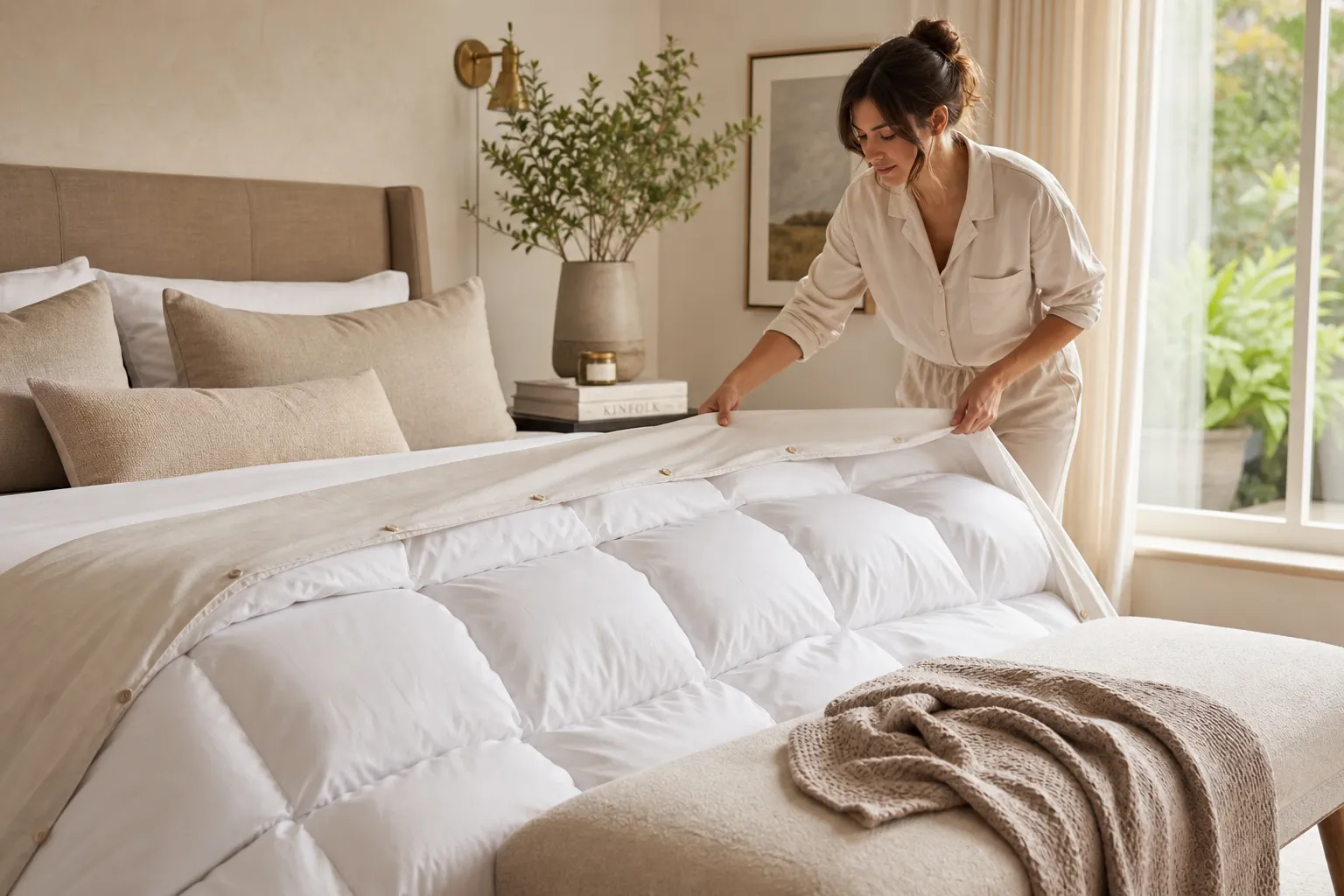
The Best Method: How to Put a Comforter into a Duvet Cover
The easiest technique is often called the burrito roll method.
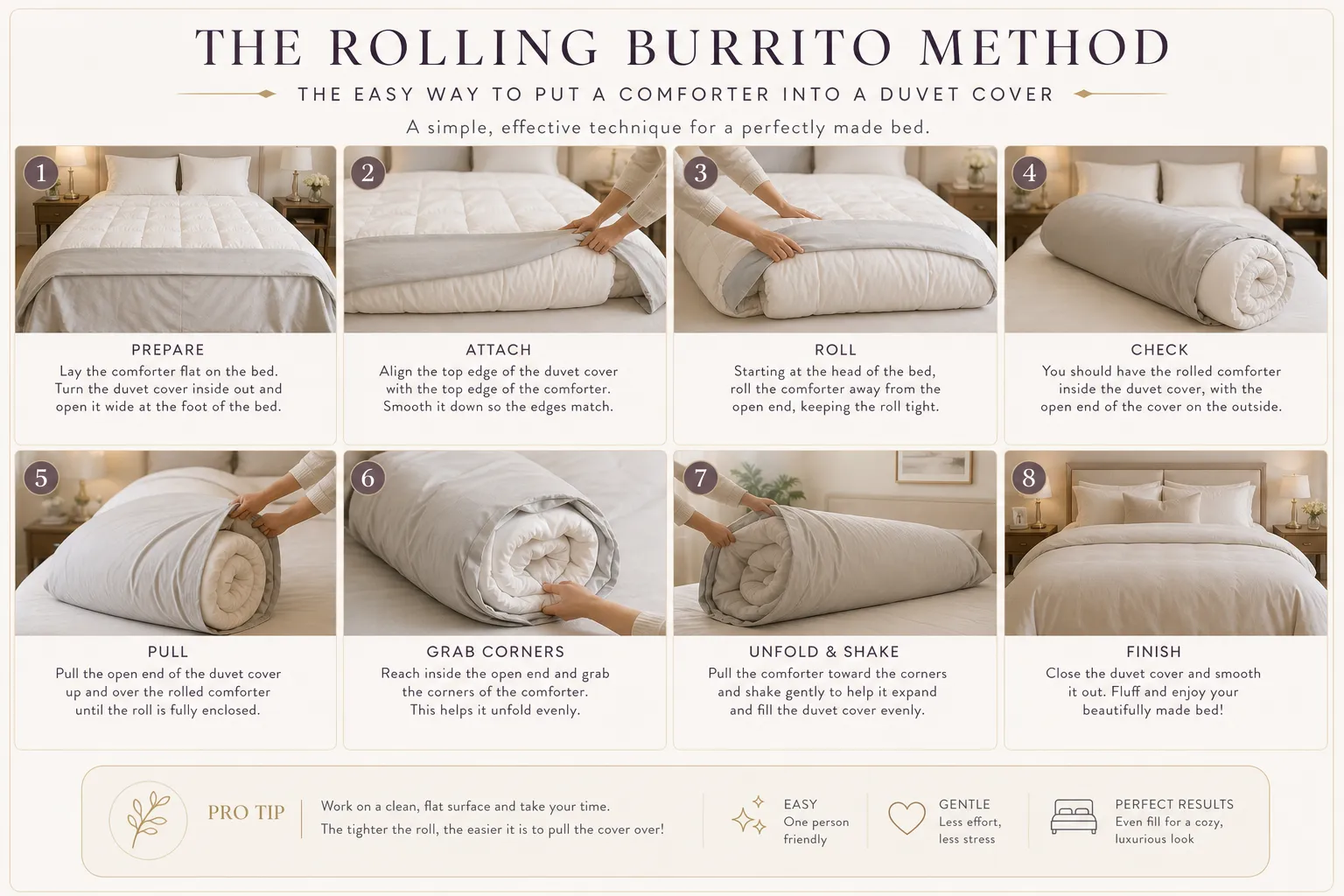
Step-by-step
Turn the duvet cover inside out.
Lay it flat on the bed with the opening at the foot.
Place the comforter on top and align all corners.
Tie or clip the top corners first.
Roll both layers together from the head of the bed toward the foot.
Reach into the opening and pull the duvet cover around the rolled bundle.
Unroll everything neatly.
Fasten the bottom closure and shake into place.
This method is especially helpful with larger sizes like king and California king.
Warmth, Breathability, and Seasonality: The Overlooked Decision
One thing competitors often gloss over is that fit is only half the story. Sleep quality depends heavily on whether your bedding system matches your body temperature and climate.
If you sleep hot
Look for:
breathable cotton or linen covers
lighter-weight inserts
cooling performance fabrics like Tencel blends
less bulky layering overall
If you sleep cold
Look for:
goose down or wool-filled options
medium to ultra-warm loft
soft, insulating outer shells
layered setups that still breathe
If you share a bed
Couples often have different warmth needs. This is where customizable bedding becomes especially valuable. Warmy & Tummy’s mix-and-match comforter options can help create a more personalized sleep setup, which is far better than forcing one all-purpose comforter to do everything.
Material Matters More Than Most People Think
If you’re using a comforter inside a duvet cover, the shell and fill materials will influence everything from drape to temperature to noise.
Common comforter and insert materials
Material |
Best For |
Feel |
Temperature Profile |
|---|---|---|---|
Goose down |
Luxury loft, cold sleepers |
Plush, airy |
Warm but breathable |
Down alternative |
Easy care, allergy-sensitive homes |
Smooth, consistent |
Moderate to warm |
Organic cotton shell |
Natural breathability |
Crisp to soft |
Cooler and balanced |
Silk |
Lightweight luxury |
Smooth, elegant |
Temperature regulating |
Linen |
Relaxed texture lovers |
Casual, airy |
Cool and breathable |
Merino wool |
Moisture control, year-round comfort |
Soft resilience |
Warm yet regulating |
Cooling performance blends |
Hot sleepers |
Smooth, technical |
Cooler feel |
Warmy & Tummy’s material range is designed around this exact reality: not every sleeper wants the same thing. Some love lofty goose down wrapped in organic cotton; others want linen breathability, silk refinement, or cooling fabrics that feel lighter through the night.
Care and Cleanliness: One of the Best Reasons to Use a Cover
A duvet cover doesn’t just change the look of the bed - it helps protect the bedding underneath from oils, sweat, dust, and everyday wear.
"Washing your bedding weekly and drying it completely can help prevent asthma attacks triggered by dust mites." - CDC
That makes duvet covers especially useful in homes with children, pets, sensitive sleepers, or anyone trying to keep a fresher sleep space with less effort.
Best care practices
wash the duvet cover more often than the insert
always dry bedding thoroughly
fluff the insert regularly
store off-season bedding in a breathable bag
follow material-specific care instructions for down, wool, silk, or linen
Premium bedding lasts longer when it’s cared for properly. That’s one reason many shoppers move toward a duvet-and-cover system over time.
A Better Bedroom Look: Why This Choice Affects Style Too
Comforters used on their own can be attractive, but duvet covers offer more control over the finished look of the bed.
Why duvet covers are often more stylish
easier to swap by season
cleaner, more tailored appearance
available in luxury textures and designer colors
simpler to coordinate with shams, throws, and sheet sets
Warmy & Tummy leans into this beautifully with stylish luxury designs, refined bedding textures, and limited-edition collections that let your bed feel personal as well as premium.
Should You Keep Your Current Comforter or Upgrade?
Here’s the simplest decision guide.
Keep using your comforter inside a duvet cover if:
the measurements are close
it feels comfortable through the night
it doesn’t shift much
you want a cost-effective refresh
you like the current loft and warmth
Upgrade to a duvet insert if:
your bed looks uneven or sloppy
the comforter slides around
you’re too hot or too cold
you want corner ties and better drape
you’re investing in a more polished, long-term bedding setup
For many customers, the ideal solution is upgrading thoughtfully rather than all at once: perhaps starting with a breathable luxury duvet cover, then moving to a better insert once you know your preferred warmth and material.
Why Warmy & Tummy Is a Smarter Place to Start
When you’re building a better bed, details matter. Warmy & Tummy brings together the pieces that competitors often separate: premium materials, seasonal flexibility, style, practical support, and customization.
What makes the experience different
premium bedding designed for deeper, more restful sleep
comforters for different seasons and warmth preferences
high-quality materials including organic cotton, silk, linen, goose down, merino wool, and cooling fabrics
customizable mix-and-match comforter options
eco-friendly and sustainable choices
elevated luxury styling and limited-edition designs
free shipping in the USA on qualifying orders
responsive support by email and chat
30-day hassle-free returns and money-back confidence
industry experience backed by a 3-year limited warranty
That combination makes it easier to choose bedding with confidence, whether you’re refreshing a guest room or creating the kind of primary bedroom that truly improves how you sleep.
Final Verdict
So, can you use a comforter as a duvet insert? Absolutely. For many people, it’s a practical and attractive solution - especially when the size is right, the warmth feels balanced, and the bedding stays in place.
But if you want a better fit, more reliable temperature control, easier styling, and a more refined sleep experience, a true duvet insert is often the superior choice. The goal isn’t just making the bed look good. It’s creating a bedroom that feels calm, breathable, luxurious, and genuinely restorative.
If you’re ready to upgrade your sleep, Warmy & Tummy offers the kind of thoughtfully made bedding that transforms a simple bed into a deeply comforting retreat. Explore premium comforters, duvet covers, blankets, and personalized options to build a sleep setup that finally feels made for you.
FAQ
Can I just use a comforter as a duvet insert?
Yes, you can use a comforter as a duvet insert if the size is close to your duvet cover and the comforter stays evenly distributed. It works best when the fit is snug, the warmth level feels right, and the comforter does not shift too much inside the cover.
How to convert comforter to duvet insert?
To make a comforter work like an insert, place it inside a duvet cover, align the corners carefully, and secure it with corner ties, clips, or sewn tabs if needed. The burrito method is one of the easiest ways to get a smoother, more even result.
Is there a difference between a duvet insert and a comforter?
Yes. A duvet insert is typically designed to sit inside a removable duvet cover, while a comforter is often intended to be used on its own. Duvet inserts usually offer better compatibility, more secure attachment options, and a more polished fit.
What can be used as a duvet insert?
You can use a comforter, quilted blanket, down insert, down-alternative insert, or lightweight blanket depending on the desired loft and warmth. The best choice depends on your duvet cover size, sleep temperature, and how tailored you want the bed to look.
How do I turn my comforter into a duvet insert?
Start by checking that the comforter dimensions closely match your duvet cover, then insert it using the burrito roll technique for easier handling. If it slides around, add duvet clips or fabric loops so it stays centered and comfortable through the night.