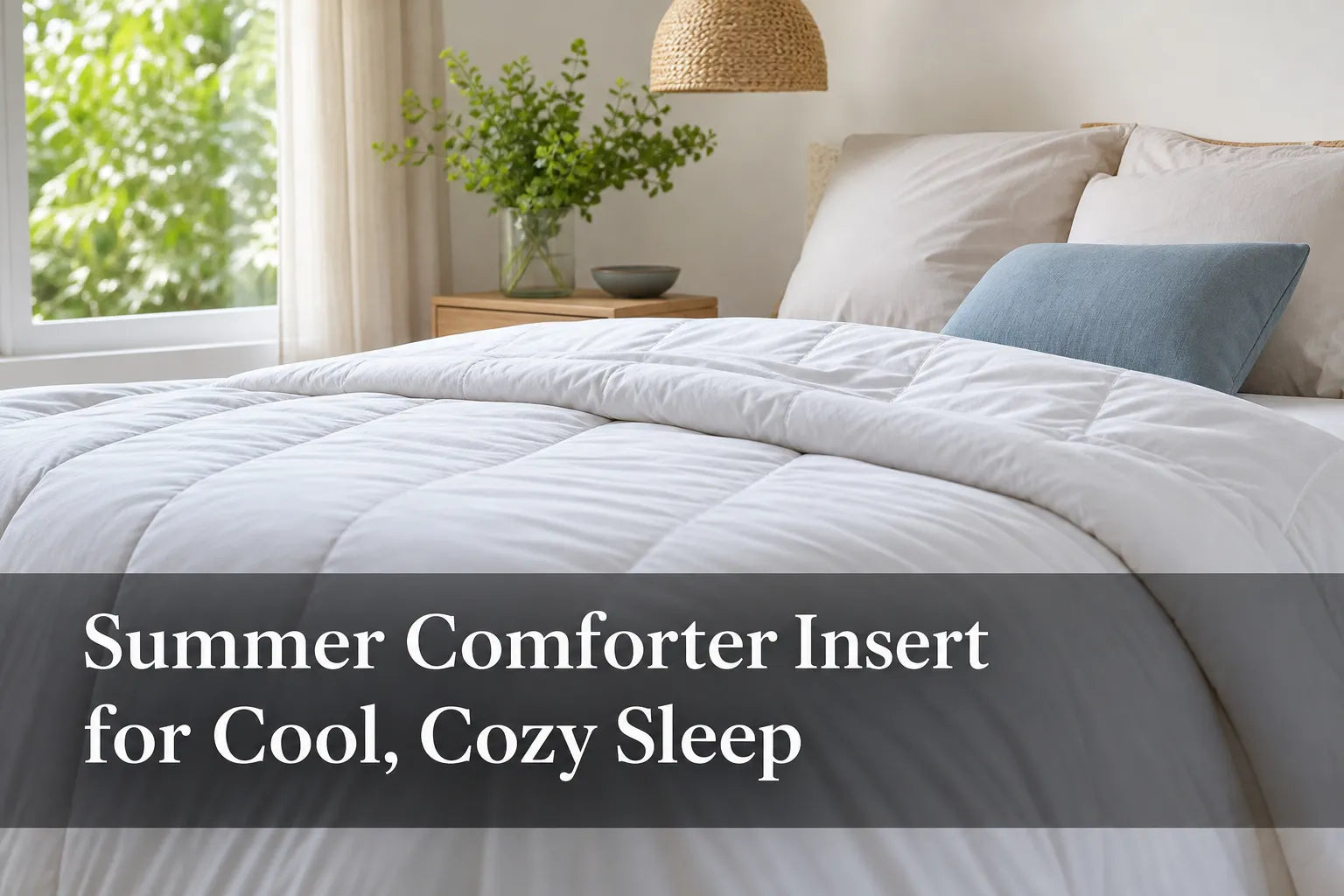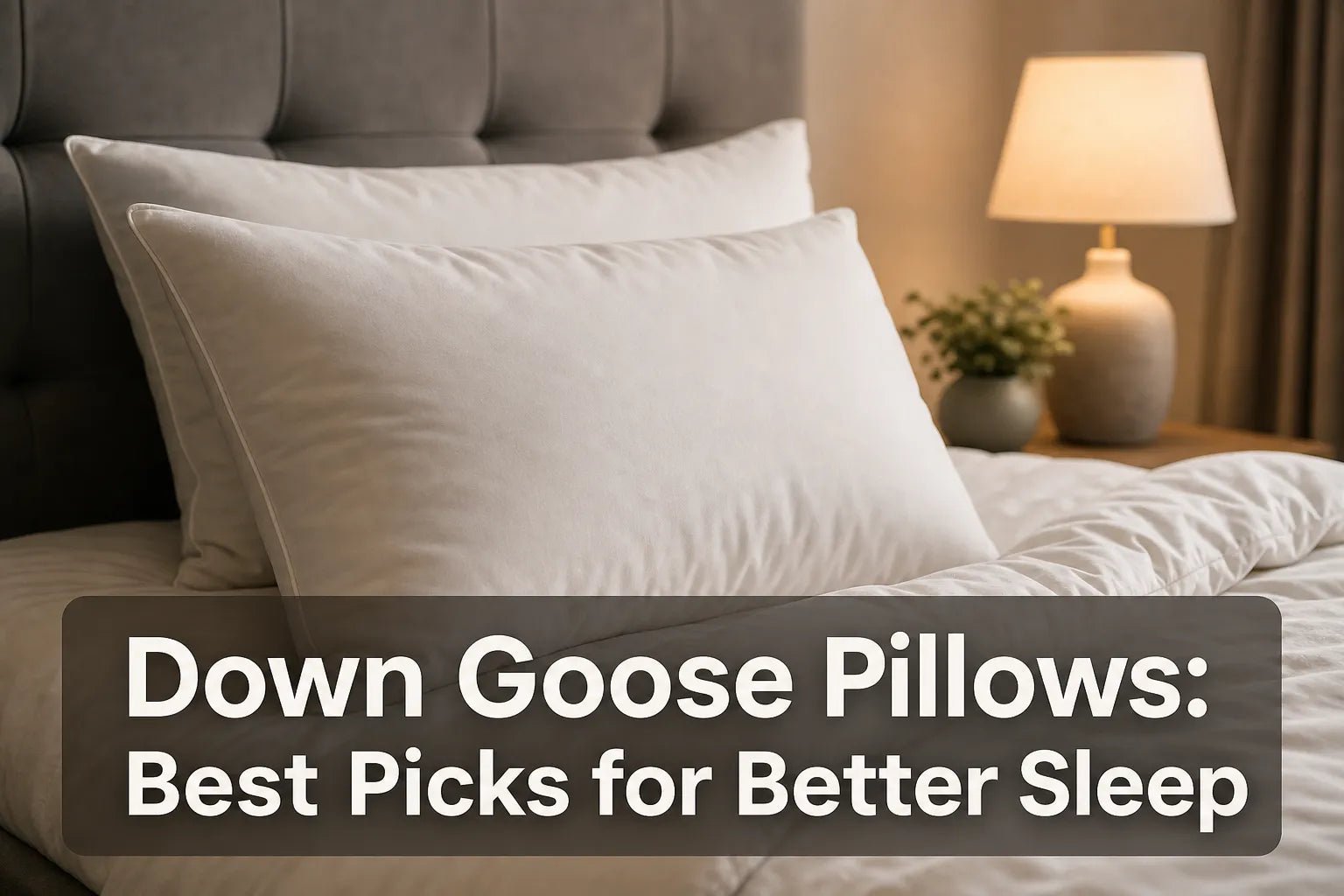

Queen Organic Comforter: Best Picks for Cozy Sleep
If you’re shopping for a queen organic comforter, you’re probably looking for more than just warmth. You want breathable comfort, cleaner materials, better sleep, and a bed that feels as beautiful as it looks. You may also be trying to avoid the usual frustrations: comforters that trap heat, flatten too quickly, feel scratchy, or leave you wondering what chemicals may be hiding in the fabric or fill.
The best organic comforters solve those problems elegantly. They combine natural materials, balanced insulation, and thoughtful construction to create a sleep experience that feels lighter, fresher, and more restorative. And for queen-size beds in particular, getting the right comforter matters even more - it needs enough drape for cozy coverage without overwhelming the mattress or bunching inside a duvet cover.
At Warmy & Tummy, we believe premium bedding should feel deeply comforting and genuinely practical. That means luxurious materials, season-specific warmth options, eco-conscious choices, and personalized comfort that helps you sleep well night after night.
What the best competitor guides get right - and what they miss
After reviewing top-ranking articles on best comforters and organic comforters, a few clear themes stood out. Most do a good job of covering:
organic and natural materials
certifications like GOTS and OEKO-TEX
hot sleeper vs cold sleeper needs
comforter vs duvet basics
broad product roundups
But there are still important gaps that shoppers need help with before buying.
The biggest content gaps shoppers still face
Many articles gloss over the details that actually determine long-term satisfaction:
how a queen size should fit depending on mattress depth and duvet use
how shell fabric and fill work together, not just separately
what makes a comforter feel “cozy” versus “stuffy”
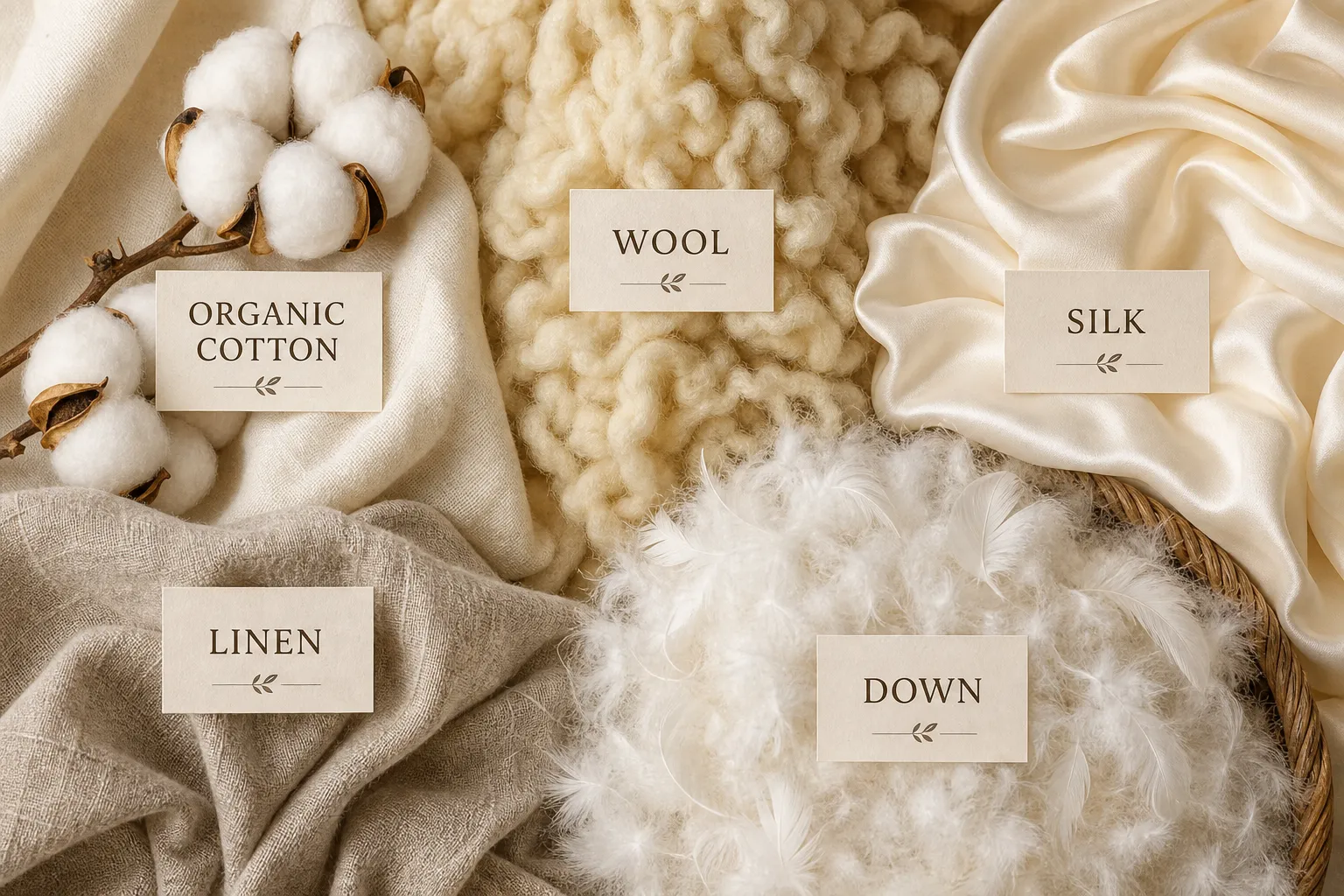
whether an organic comforter is better in cotton, silk, wool, linen, or down depending on climate
how couples with different sleep temperatures should choose
how to balance luxury, sustainability, washability, and design
what to look for if you want a premium comforter that still feels customizable
This guide is designed to fill those gaps and help you choose with confidence.
Why an organic comforter can make a real difference
A comforter sits close to your skin for hours every night. That’s why materials matter. Organic and carefully sourced fabrics are often chosen by shoppers who want a cleaner, gentler sleep environment, especially in bedrooms focused on wellness and comfort.
"A GOTS certification means that at least 95% of a product’s materials are certified organic." - The Good Trade
That matters because “natural” and “organic” are not the same thing. Some comforters use natural fibers but still rely on conventional farming or chemical-heavy finishing. A truly high-quality organic option gives you more transparency.
"Conventionally grown cotton uses pesticides and fertilizers." - World Wildlife Fund
For many households, the appeal is simple: fewer questionable treatments, better breathability, and a more elevated feel on the bed.
What makes a queen organic comforter worth buying?
A great comforter is not just about fill power or thread count. It’s about how every component works together to support restful sleep.
1. Breathability
If your comforter runs too warm, even soft bedding can feel uncomfortable. Organic cotton, silk, linen, wool, and certain cooling-performance fabrics are all valued because they help regulate heat and moisture better than many basic synthetic options.
2. Balanced warmth
The coziest comforter is warm enough to feel comforting, but not so insulating that you wake up sweaty. This is why warmth level matters just as much as material.
3. Clean, high-quality materials
Look for dependable fibers such as:
organic cotton shells
responsibly sourced goose down
merino wool
silk
European linen
cooling Tencel blends
These materials can feel more refined, drape more beautifully, and age more gracefully than lower-quality mass-market fills.
4. Durability and loft retention
A premium comforter should still feel beautiful after months and years of use. Construction details like baffle box stitching, even fill distribution, and strong shell fabric all help prevent clumping and flattening.
5. Fit for a queen bed
A queen comforter needs enough width for drape, shared sleep, and mattress coverage. If you use a thick mattress or layered bedding look, you may prefer a more generously cut queen or even a full/queen design with extra overhang.
The best materials for a queen organic comforter
Choosing the right material is often the difference between “nice enough” and “I never want to get out of bed.”
Organic cotton
Organic cotton is the classic choice for a reason. It’s breathable, soft, familiar, and versatile across seasons. A cotton shell often feels crisp, fresh, and easy to layer under a duvet cover.
Best for:
all-season use
sensitive sleepers
shoppers who want a clean, classic bedding feel
Silk
Silk comforters feel smooth, light, and quietly luxurious. They tend to drape beautifully and are often favored by people who want warmth without heaviness.
Best for:
sleepers who want lightweight luxury
moderate climates
elegant, premium bedding setups
Merino wool
Merino wool is one of the smartest choices for natural temperature regulation. It insulates when cool and breathes when warm, making it a strong all-season option for many homes.
Best for:
year-round comfort
couples with changing sleep temperatures
shoppers who want natural performance
Goose down with organic shell options
If your priority is plush loft and cloud-like coziness, goose down remains hard to beat. In a comforter with an organic cotton shell, it can deliver that hotel-luxury feel while still staying breathable and refined.
Best for:
cold sleepers
winter warmth
anyone chasing that airy, premium loft
Linen
European linen has a relaxed, textural beauty and naturally breathable feel. It works especially well for casual-luxury bedrooms and warmer climates.
Best for:
laid-back luxury aesthetics
warm sleepers
shoppers who love natural texture
Cooling-performance fabrics
Not every excellent comforter has to be traditional. Fabrics like Tencel blends can be a wonderful option for sleepers who overheat and want a smoother, cooler sleep surface with modern performance benefits.
Best for:
hot sleepers
humid climates
low-fuss cooling comfort
How to choose based on your sleep style
The best comforter is the one that fits the way you actually sleep.
For hot sleepers
Choose lighter fills and more breathable shells. Organic cotton, silk, linen, or cooling blends tend to work best. Avoid overly dense fills unless you sleep in a cold room year-round.
For cold sleepers
Look for loft, insulation, and a shell that still breathes well. Goose down, wool, or heavier all-season and winter-weight comforters are often ideal.
For couples
If one of you sleeps warm and the other sleeps cool, focus on balanced materials rather than the heaviest option. Merino wool, silk, or customizable warmth choices can help both sleepers stay comfortable.
For families and busy households
Practicality matters. If easy care is a priority, check care instructions before buying. Some premium comforters are easier to maintain with a duvet cover, reducing the need for frequent full washes.
Queen comforter sizing: the detail many guides overlook
A lot of shoppers search for material advice but forget to confirm how the comforter will actually fit their queen bed.
Standard queen fit
A typical queen comforter usually works well for:
standard queen mattresses
average mattress depths
sleepers who prefer a neater, tailored look
Oversized or generous drape fit
A slightly larger cut is often better for:
pillow-top or extra-deep mattresses
couples who tug the covers
layered, luxury-looking bedding setups
use with fluffy duvet covers
If you love that full, cozy, boutique-hotel appearance, a generously sized comforter often looks and feels best.
Organic comforter certifications that are worth your attention
Certifications help cut through marketing language and give you a better sense of what you’re buying.
Helpful certifications to know
Certification |
What it usually indicates |
Why it matters |
|---|---|---|
GOTS |
Organic textile standard |
Strong benchmark for organic fibers and processing |
OEKO-TEX Standard 100 |
Tested for harmful substances |
Helpful for cleaner sleep confidence |
RDS |
Responsible Down Standard |
Important if choosing down fill |
Fair Trade |
Social and labor standards |
Supports more responsible production |
GREENGUARD |
Low emissions |
Useful for indoor air-conscious shoppers |
Not every great comforter will carry every certification, but the presence of respected third-party standards is always reassuring.
Best queen organic comforter picks by need
This is where shopping gets easier. Instead of asking for one single “best,” it’s smarter to ask: best for whom?
Best for hot sleepers: lightweight organic cotton or cooling blend
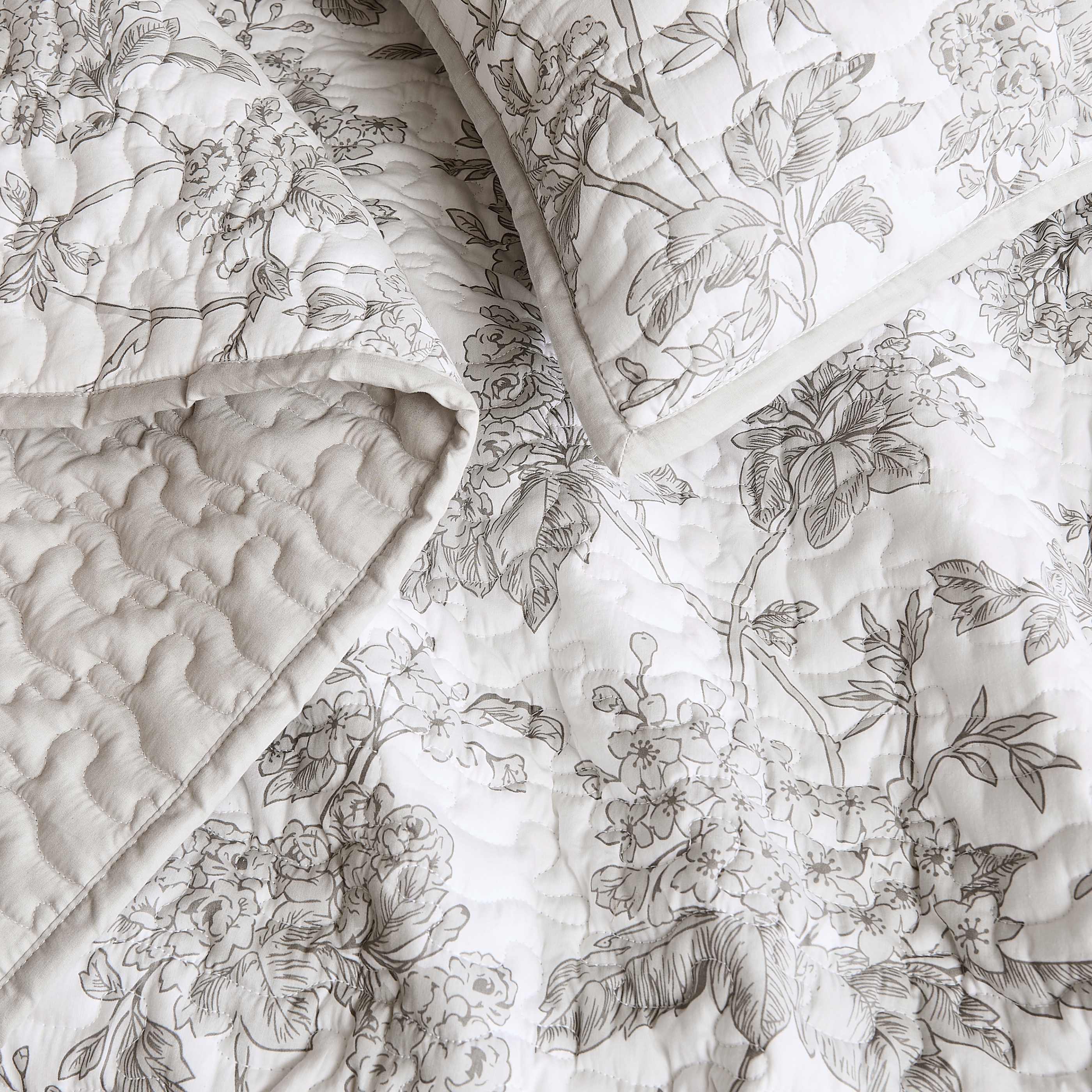
Look for a breathable shell and lighter fill weight. Cotton percale, linen, silk, and cooling-performance fabrics tend to help reduce that trapped-heat feeling. This type of comforter is ideal if you want your bed to feel fresh and airy instead of heavy.
Best for cozy all-season sleep: merino wool or balanced down fill
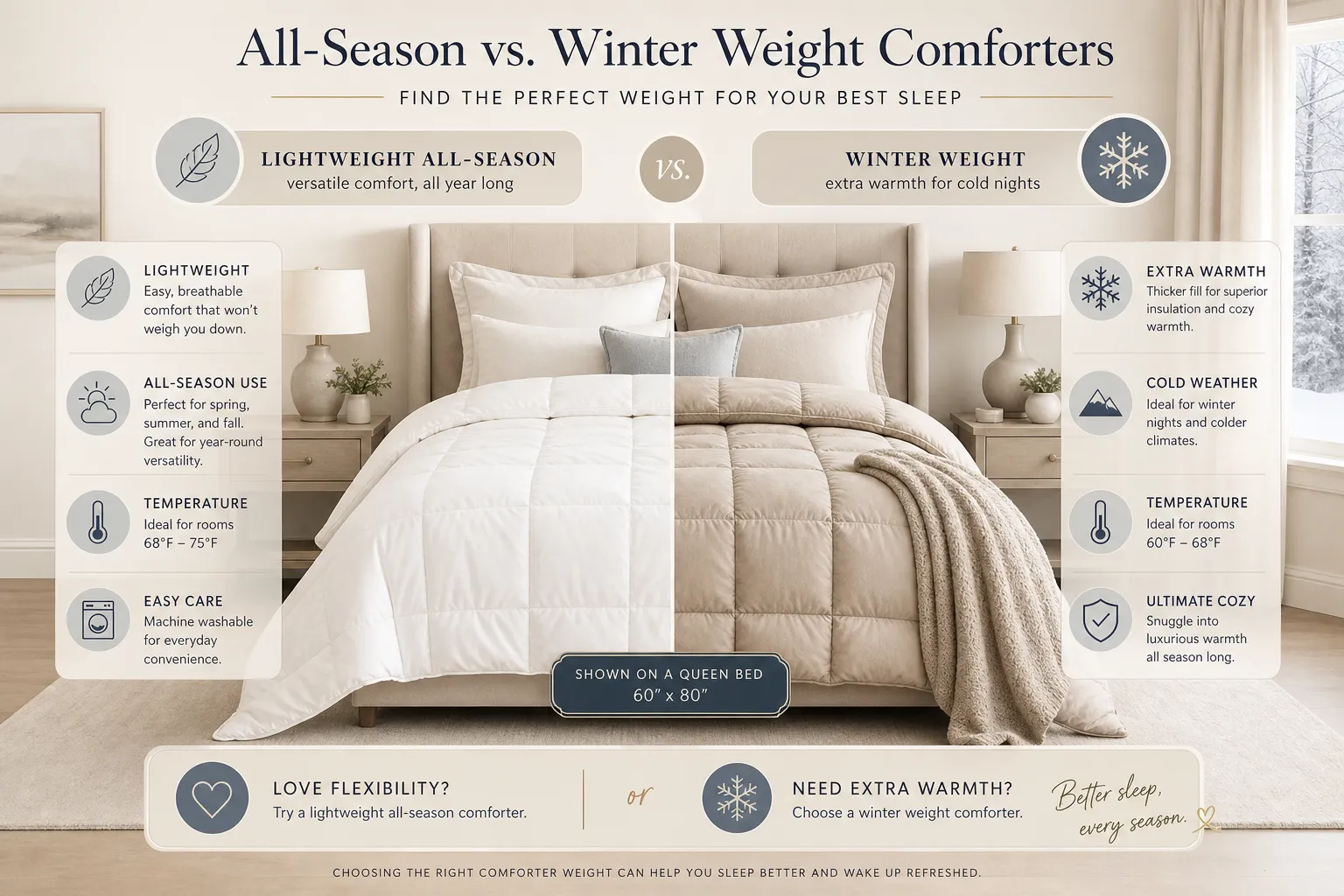
If you want one comforter to stay on the bed most of the year, focus on temperature-regulating materials with moderate loft. Wool and thoughtfully filled down comforters often strike the sweet spot between breathable and snuggly.
Best for luxury feel: silk or premium goose down
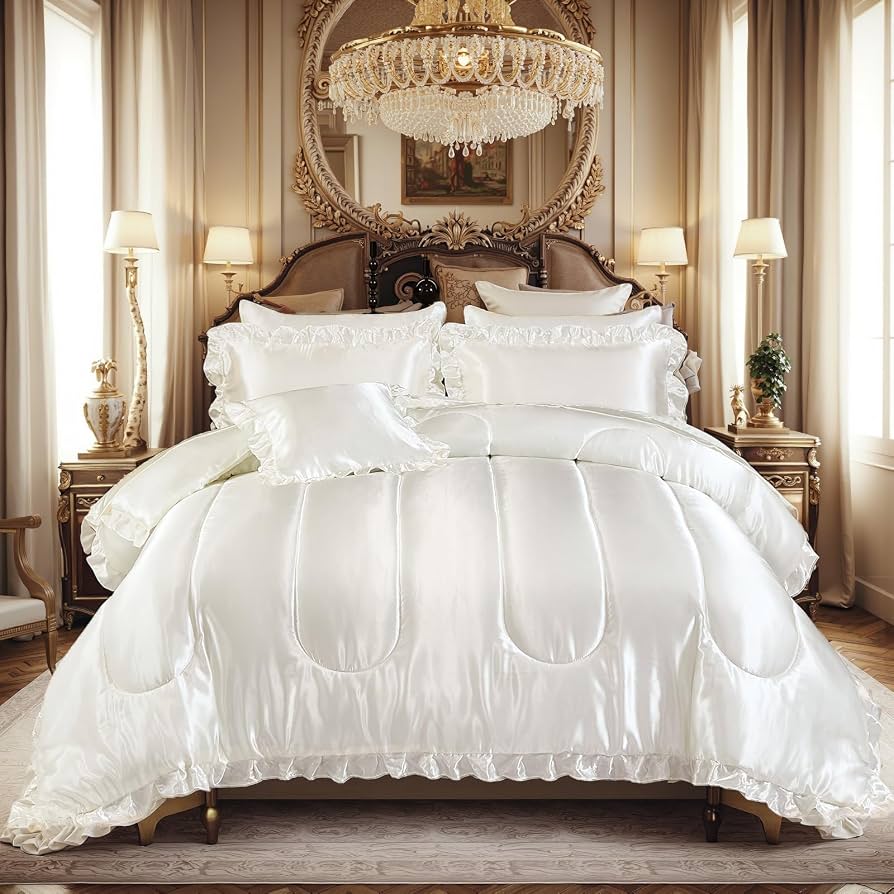
For a bed that feels indulgent the moment you slip in, silk and goose down are standout choices. Silk offers elegant drape and smoothness, while goose down creates that lofted, plush, cloud-like look many shoppers love.
Best for cold nights: winter-weight down or wool
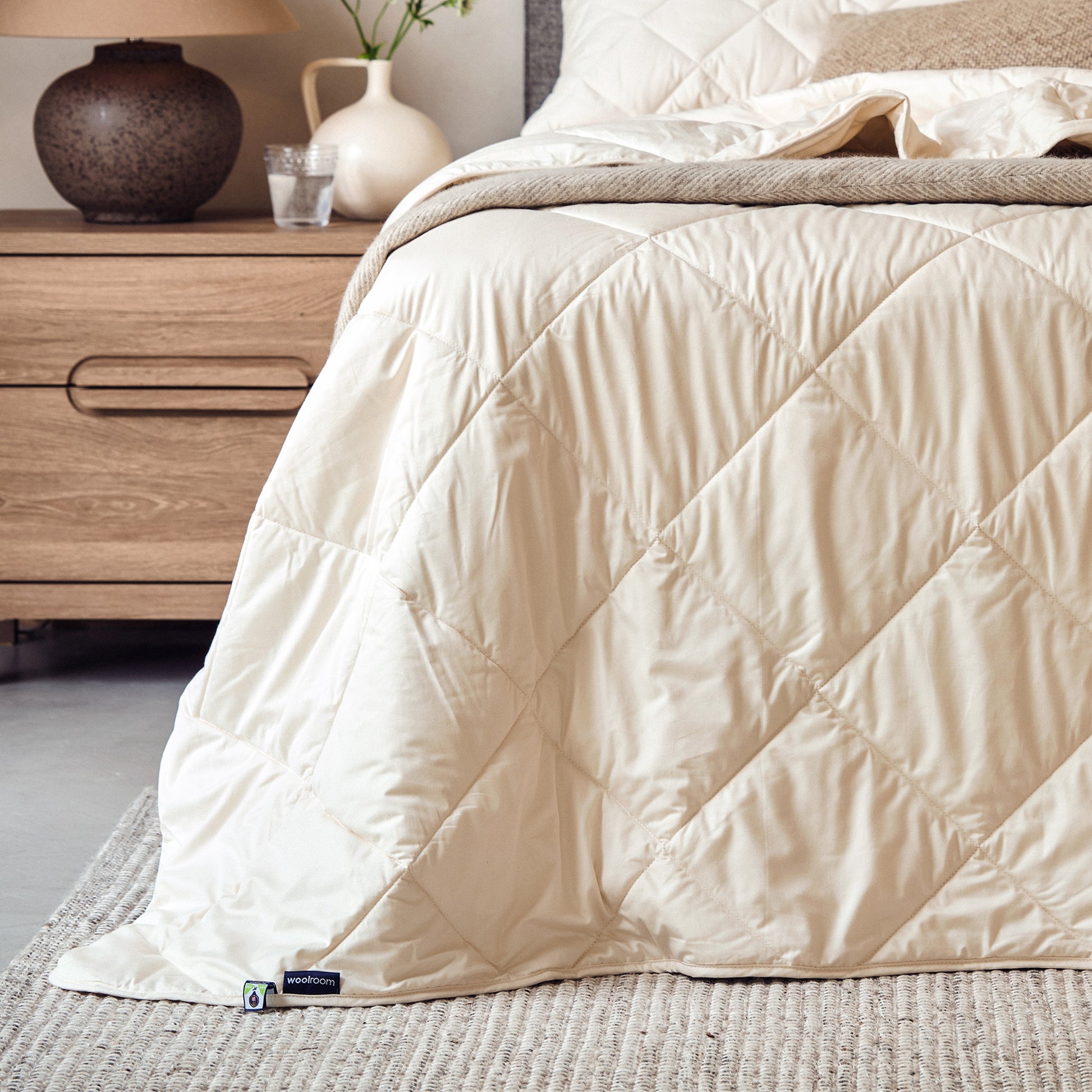
For chilly bedrooms or cold sleepers, a warmer fill weight can make a dramatic difference. You’ll want ample insulation, but still with breathable shell materials so the comfort remains cozy rather than stuffy.
Best for style-forward bedrooms: linen shells and limited-edition designs
If aesthetics matter as much as feel, shell fabric and finish deserve extra attention. Linen, soft neutrals, and exclusive designs can turn your comforter into a visual centerpiece, not just a functional layer.
Warmy & Tummy’s approach to better sleep
Many bedding guides stop at product categories. But if you’re investing in premium bedding, the shopping experience matters too.
Warmy & Tummy is built around the idea that better sleep starts with better choices - not just more choices. Our collection is designed for households that want comfort tailored to real life, whether that means lightweight summer bedding, plush winter warmth, or a flexible layer for in-between seasons.
What sets Warmy & Tummy apart
Premium bedding designed for deeper, more restful sleep
comforters in a wide range of warmth levels and material options
luxurious shells in organic cotton, silk, linen, and cooling fabrics
premium fillings including goose down and merino wool
customizable mix-and-match comforter options for more personal comfort
eco-friendly and sustainable choices for more mindful homes
elegant, limited-edition designs that lift the whole bedroom
free shipping in the USA on qualifying orders
fast, helpful customer support by email and chat
a 30-day hassle-free return policy and money-back guarantee
backed by more than 20 years of bedding experience
a 3-year limited warranty for added confidence
For shoppers who want one trusted destination instead of piecing together advice from scattered review lists, that combination matters.
How to match your comforter to the season
Your ideal comforter may change throughout the year, especially if your room temperature shifts with the weather.
Summer
Choose:
lightweight cotton
linen
silk
cooling-performance fabrics
You want breathability, moisture control, and enough coverage to feel comfortable without overheating.
Fall and spring
Choose:
all-season wool
medium-weight down
layered systems with duvet covers
These months call for versatility more than maximum warmth.
Winter
Choose:
heavier wool
lofty goose down
insulating yet breathable shells
This is where plushness and warmth become the priority - especially if you love that cocooned, tucked-in feel.
Comforter vs duvet insert: which is better?
This depends on your lifestyle.
Choose a comforter if you want:
a simpler, ready-to-use bed layer
a decorative piece that can stand alone
less fuss when making the bed
Choose a duvet insert if you want:
easier surface cleaning through a removable cover
flexibility to change bedroom style seasonally
a more customized layering system
Warmy & Tummy’s premium bedding philosophy works beautifully with either route, especially if you want to mix shells, warmth levels, and textures for a more personal sleep setup.
What to avoid when buying a queen organic comforter
Not all comforters marketed as clean or natural are equally well made.
Watch out for:
vague claims without certification details
synthetic-heavy fills if breathability is your priority
comforters with no warmth guidance
poor size transparency
shells that feel nice initially but wear thin quickly
bargain pricing that compromises fill quality and durability
A comforter is something you use every night. It’s worth choosing one that will still feel supportive, beautiful, and comfortable long after the first week.
A quick comparison: which comforter style is right for you?
Your Priority |
Best Material Direction |
Warmth Feel |
Overall Vibe |
|---|---|---|---|
Sleep cool |
Organic cotton, linen, Tencel blend, silk |
Light to moderate |
Fresh, airy, breathable |
Want plush luxury |
Goose down, silk |
Moderate to warm |
Lofty, indulgent, elegant |
Need all-season flexibility |
Merino wool, balanced down |
Moderate |
Cozy without feeling heavy |
Love natural texture |
Linen, organic cotton |
Light to moderate |
Relaxed, elevated, stylish |
Need winter warmth |
High-loft down, wool |
Warm to extra warm |
Cocooning and comforting |
Final verdict: is a queen organic comforter worth it?
If you care about sleep quality, bedroom comfort, and the way your bed feels every single night, the answer is yes. A well-made queen organic comforter can deliver a cleaner, more breathable, more luxurious sleep experience than many standard options - and it often becomes one of the most appreciated upgrades in the entire bedroom.
The key is choosing one that matches your sleep style, climate, and comfort preferences. That’s where Warmy & Tummy stands out. With premium materials, multiple warmth levels, elevated design, sustainable choices, and customizable options, the brand makes it easier to find bedding that feels personal rather than generic.
If you’re ready to turn your queen bed into a softer, more restful retreat, Warmy & Tummy is a beautiful place to begin.

FAQ
What is the best organic comforter for hot sleepers?
The best option for hot sleepers is usually a lightweight organic cotton, linen, silk, or cooling-fabric comforter. These materials breathe well, release heat more easily, and help your bed feel airy instead of overly insulated.
What is the coziest comforter?
The coziest comforter is often a premium goose down or merino wool comforter with balanced loft and breathable construction. It should feel warm and plush without becoming stuffy or overly heavy.
What is the healthiest type of comforter?
A healthy choice is typically a comforter made with organic or carefully certified materials, such as GOTS organic cotton shells and responsibly sourced natural fills. Certifications like OEKO-TEX can add reassurance that the comforter has been tested for harmful substances.
What are the best organic bedding brands?
The best brands combine premium materials, transparent sourcing, thoughtful construction, and strong customer policies. Warmy & Tummy stands out for its luxury comforter range, customizable options, eco-conscious materials, fast support, and generous return protection.
What is the best all-natural comforter?
The best all-natural comforter depends on your warmth preference, but organic cotton, merino wool, silk, and responsibly sourced down are all excellent choices. For year-round versatility, wool and balanced down comforters are especially appealing.