
Duvet Covers How To Choose the Best One
Choosing the right duvet cover can completely change how your bed feels, how your bedroom looks, and how well you sleep. If you’ve been searching for duvet covers how to advice that’s actually beginner-friendly, the simplest answer is this: start with the right size, pick a fabric that matches your sleep style, and choose a cover that’s easy to care for and beautiful enough to make bedtime feel like a treat.
A duvet cover is more than a decorative outer layer. It protects your insert, helps regulate comfort through the seasons, and gives you the flexibility to refresh your bed without replacing the whole setup. For busy households, couples with different warmth preferences, and anyone building a more restful sleep space, it’s one of the smartest bedding upgrades you can make.
At Warmy & Tummy, we think premium bedding should feel personal. That’s why our approach to sleep comfort goes beyond looks alone: from breathable organic cotton and European linen to silk, cooling fabrics, and customizable warmth options, every detail is designed to help you create a bed that feels just right.
What a Duvet Cover Actually Does
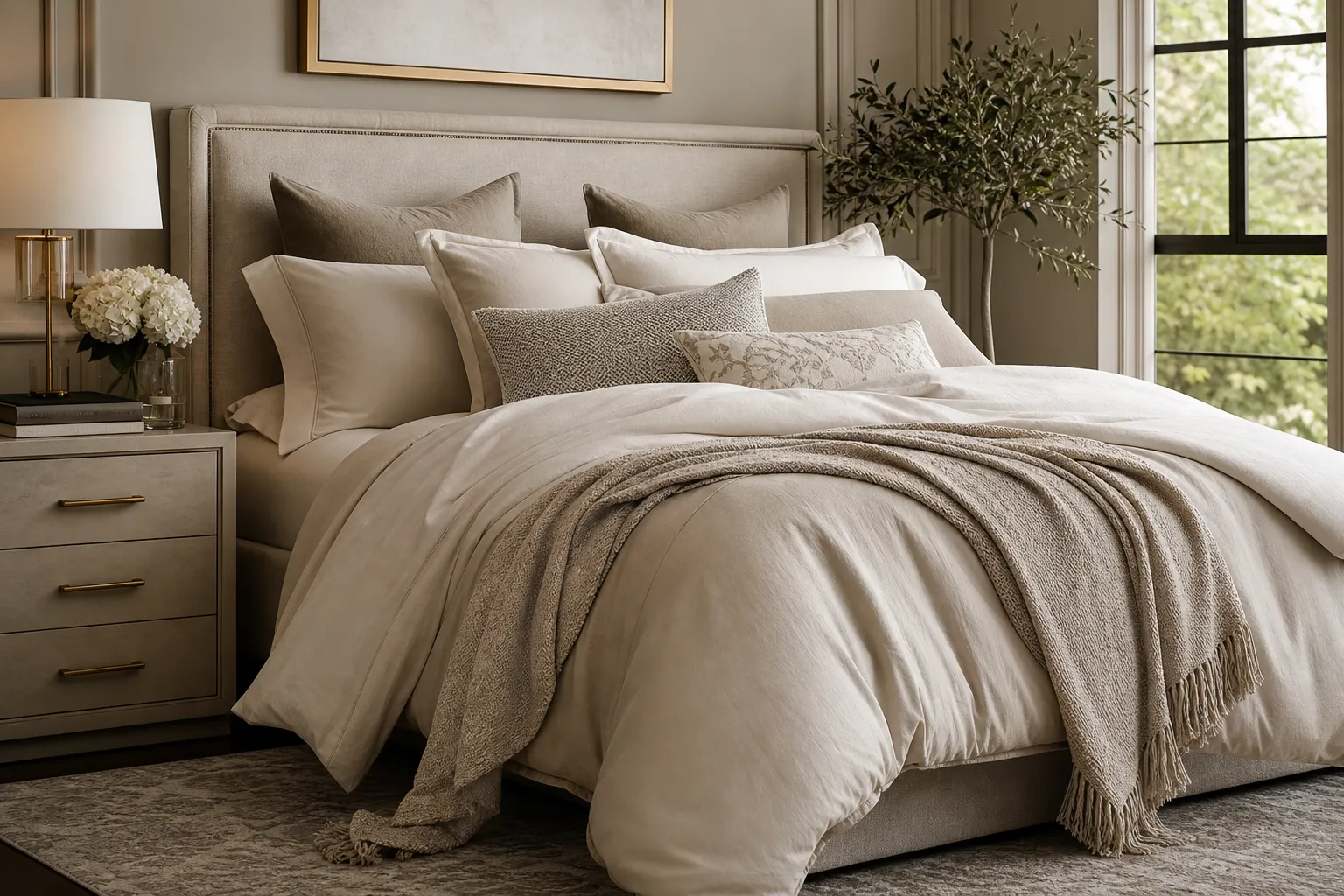
A duvet cover is a removable fabric shell that goes over a duvet insert or comforter. Think of it as the pillowcase for your bed’s top layer. It keeps your insert cleaner, reduces how often you need to wash the fill itself, and lets you change the look and feel of your bedding more easily.
That may sound simple, but the benefits are big:
It protects your investment in a quality duvet insert
It makes washing easier than laundering a bulky comforter
It helps you fine-tune warmth and breathability
It gives your room a fast style refresh
It allows seasonal switching without buying entirely new bedding
Many competitor guides explain what a duvet cover is, but they often stop there. What they miss is how much the cover itself affects comfort. Fabric texture, weave, closure type, corner ties, and sizing precision all influence whether your bed feels crisp, cool, cozy, weighty, airy, or frustratingly bunchy.
Duvet vs Comforter: Why the Difference Matters
The terms are often used interchangeably, but they’re not quite the same.
Feature |
Duvet + Cover |
Comforter |
|---|---|---|
Construction |
Insert plus removable cover |
One-piece filled bed topper |
Ease of washing |
Cover is easy to remove and wash |
Entire piece often must be washed |
Style flexibility |
Very high |
Lower |
Seasonal adaptability |
Excellent |
Moderate |
Customization |
Easy to swap cover or insert |
Limited |
If you love the idea of changing your bedroom mood with the seasons, or simply want easier care, a duvet cover setup usually gives you more flexibility. It’s also ideal if you’re investing in premium inserts like goose down, silk-filled, or cooling comforters and want to protect them properly.
Warmy & Tummy customers often love this layered approach because it makes it easier to mix and match shells, fillings, warmth levels, and textures for truly personalized sleep.
How to Pick the Right Duvet Cover: The 7 Factors That Matter Most
1. Start With the Correct Size
The best duvet cover is the one that fits your insert properly. Too small, and the insert bunches or compresses. Too large, and it shifts around inside.
As a rule, match the cover size to the insert size whenever possible. If a brand’s dimensions vary slightly, prioritize a snug but not tight fit. Always check actual inches, not just labels like “Queen” or “King,” since dimensions differ by brand and country.
2. Choose Fabric Based on How You Sleep
This is where comfort really lives. If you sleep hot, cold, or somewhere in between, your duvet cover fabric can either help or fight against your body.
3. Think About Feel, Not Just Looks
Some people want crisp hotel-style bedding. Others want a relaxed, soft, lived-in feel. Two white duvet covers can look similar online and feel completely different in bed.
4. Check Breathability for Year-Round Comfort
A beautiful cover that traps heat may look luxurious but won’t feel luxurious at 2 a.m. Breathable materials matter, especially for couples and warm sleepers.
"Bedroom temperatures below 68°F or above 77°F can negatively impact sleep efficiency, leading to more time spent awake in bed." - Sleep Foundation
That’s exactly why bedding choices matter so much. Your duvet cover is part of your sleep environment, not just your decor.
5. Look at Care Requirements Honestly
If you want low-maintenance luxury, be realistic about laundry habits. Some fabrics are easier to live with than others.
6. Don’t Ignore Closure and Corner Ties
Buttons, zippers, and internal ties all affect how secure and tidy your bed feels. Corner ties are especially important because they help keep the insert from sliding.
7. Match the Cover to Your Insert and Season
A lightweight cooling insert paired with a heavy heat-trapping cover can cancel out the benefit. Likewise, a warm winter insert may feel even cozier with brushed or insulating top fabrics. Think in combinations.
Best Duvet Cover Materials Explained
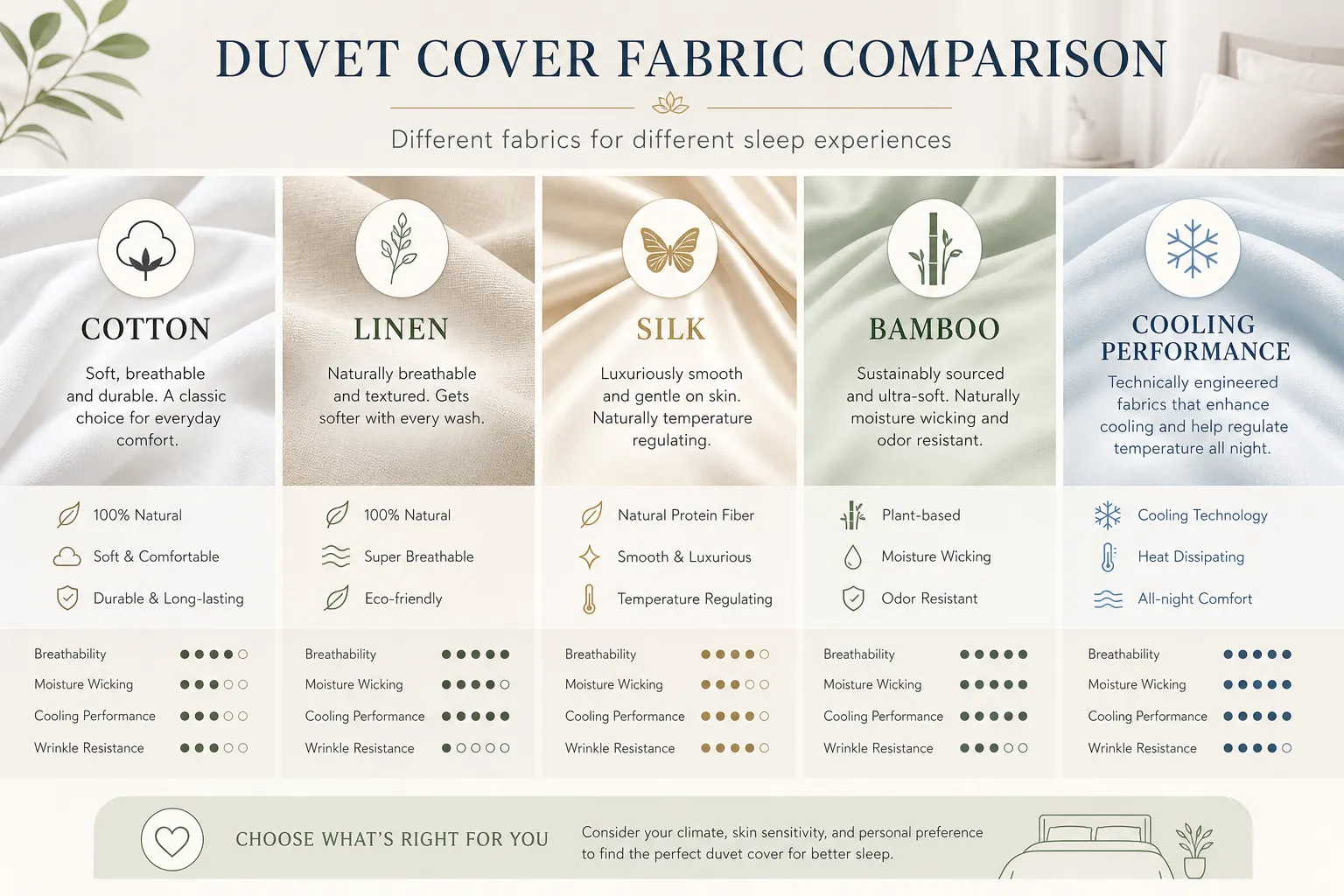
Competitor articles consistently highlight cotton and linen, and some mention silk or bamboo-based fabrics. To make this guide more useful, here’s how each one actually fits different sleepers and homes.
Cotton Duvet Covers
Cotton is the most versatile choice for many shoppers. It’s soft, breathable, durable, and available in a wide range of finishes.
Best for:
Most sleepers
Guest rooms
Families
Easy everyday use
Feel:
Depends on the weave. Percale feels crisp and cool, while sateen feels smoother and silkier.
Why people love it:
Familiar feel
Easy care
Good breathability
Available in organic options
At Warmy & Tummy, organic cotton is a favorite for sleepers who want softness and simplicity with a more conscious materials story.
Linen Duvet Covers
Linen has a relaxed, airy look and excellent temperature regulation. It’s especially loved by hot sleepers and anyone drawn to an effortless luxury aesthetic.
Best for:
Hot sleepers
Humid climates
Relaxed, elevated bedrooms
Shoppers who value longevity
Feel:
Textured at first, then softer over time.
"Linen bedding is more breathable than cotton due to its looser weave, allowing for better airflow and moisture-wicking, which helps keep sleepers cool." - Sleep Foundation
Linen is one of the best options if you want natural breathability without sacrificing style. Warmy & Tummy’s European linen options are especially appealing for customers who want premium texture and laid-back elegance.
Silk Duvet Covers
Silk feels smooth, refined, and naturally luxurious. It can also be gentler on skin and hair, though it often requires more care than cotton or linen.
Best for:
Luxury-focused shoppers
Sensitive skin
Special-occasion bedding
Those who love a sleek, polished bed
Feel:
Cool, fluid, smooth, and elegant.
Silk can be a dream when paired with a quality insert, especially in a calm, minimalist bedroom. It’s not usually the most practical choice for every household, but it can be extraordinary for the right one.
Bamboo or Cooling Performance Fabrics
Some modern duvet covers use cooling blends like Tencel or bamboo-derived fabrics for a silky, breathable feel. These are excellent for people who overheat at night or want moisture management.
Best for:
Hot sleepers
Night sweaters
Couples with mixed body temperatures
Modern performance-minded shoppers
Feel:
Smooth, drapey, and cool to the touch.
Warmy & Tummy offers cooling-focused fabric options because better sleep is never one-size-fits-all. If you wake up warm, these fabrics are worth serious consideration.
Sateen
Sateen is typically made from cotton but woven for a smoother, more luminous finish.
Best for:
People who want a polished look
Those who prefer softness over crispness
Cooler sleepers
Feel:
Silky, smooth, slightly heavier than percale.
Percale
Percale is crisp, breathable, and classic.
Best for:
Hot sleepers
Fans of hotel-style bedding
Minimalist bedrooms
Feel:
Cool, fresh, matte, and clean.
Quick Material Comparison Table
Material |
Feel |
Best For |
Breathability |
Care Level |
Luxury Look |
|---|---|---|---|---|---|
Cotton Percale |
Crisp, cool |
Hot sleepers, everyday use |
High |
Easy |
Classic |
Cotton Sateen |
Smooth, silky |
Cooler sleepers, polished beds |
Medium |
Easy |
Elegant |
Linen |
Airy, textured |
Hot sleepers, relaxed luxury |
Very high |
Easy to moderate |
Effortless premium |
Silk |
Ultra-smooth |
Sensitive skin, luxe styling |
Medium to high |
Higher maintenance |
High glamour |
Cooling Blends |
Smooth, cool-touch |
Night sweaters, warm climates |
High |
Easy to moderate |
Modern luxury |
How to Choose Based on Your Sleep Style
One thing competitor content often underexplains is matching fabric to real-life sleep behavior. Here’s the practical version.
If You Sleep Hot
Choose linen, percale cotton, or cooling performance fabrics. Avoid heavy, dense covers unless your room is very cold.
If You Sleep Cold
Look at sateen, silk, or a slightly heavier cotton cover paired with a warmer insert.
If You Share a Bed
Breathable fabrics are often the safest choice because body heat adds up. Linen and cooling blends tend to work especially well for couples.
If You Have Kids or Pets
Durable, washable cotton is usually the easiest answer. Linen can also be durable, but some households prefer cotton’s simpler feel and care routine.
If You Want the “Luxury Hotel” Look
Go for crisp percale or smooth sateen in timeless neutral shades.
If You Want a Relaxed Designer Bedroom
Linen is hard to beat. It gives that effortlessly styled, soft, premium look with very little fuss.
How to Choose the Right Duvet Cover Size
Here’s a simple sizing mindset: match the insert first, then consider bed proportions.
Bed Size |
Common Insert Size Strategy |
Best Practice |
|---|---|---|
Twin/Twin XL |
Match insert closely |
Check dimensions carefully |
Full/Queen |
Verify exact inches by brand |
Avoid assuming universal fit |
King/Cal King |
Double-check width and length |
Make sure corners align well |
A few tips:
Measure your insert before buying
Don’t rely only on mattress size
If between sizes, prioritize insert fit over bed label
Extra-deep mattresses may benefit from more generous drape, but not a loose interior fit
How to Put on a Duvet Cover Without the Struggle
The most popular technique is often called the burrito method or roll method.
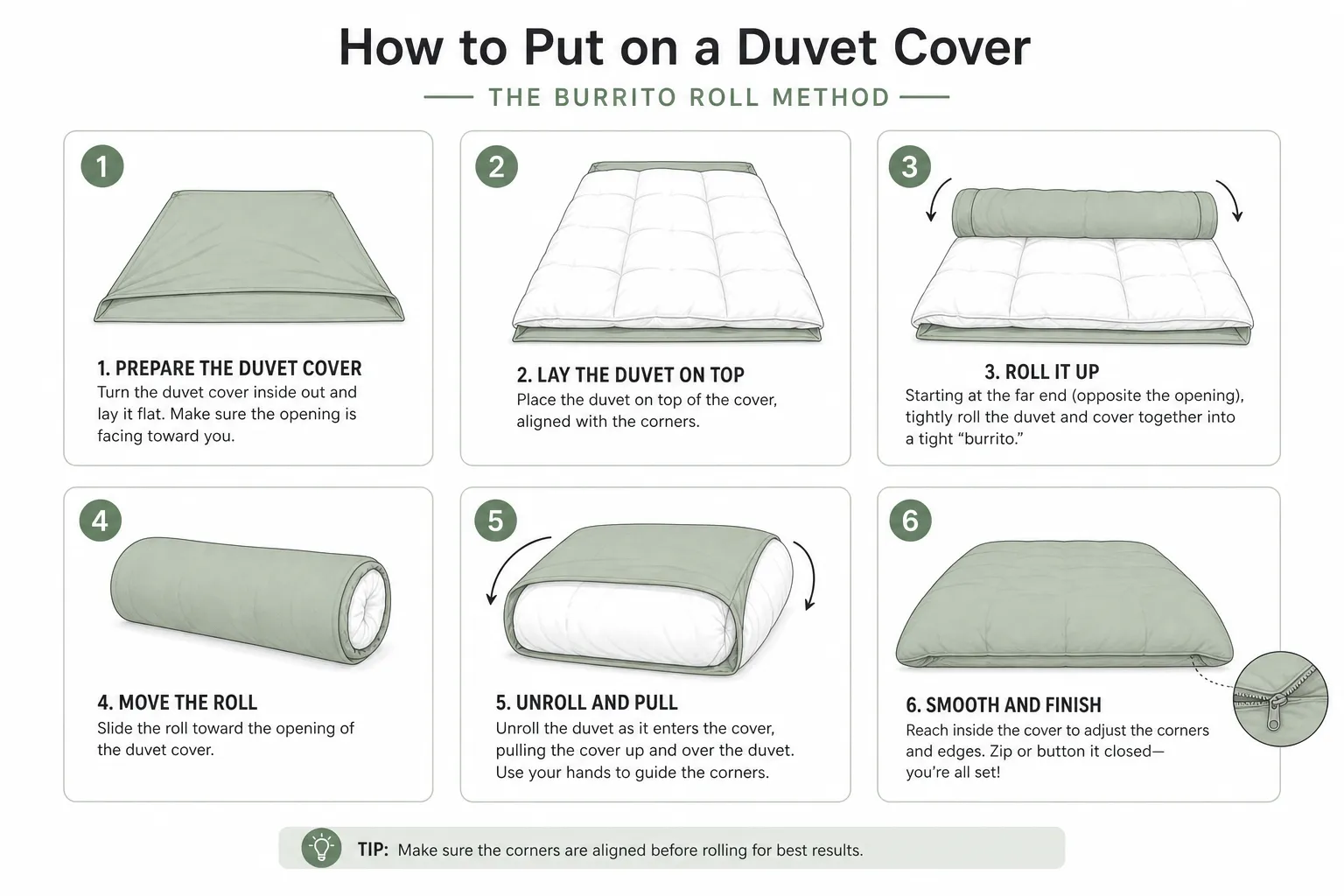
Simple Step-by-Step
Turn the duvet cover inside out.
Lay it flat on the bed with the opening at the foot.
Place the duvet insert on top.
Tie the top corners and bottom corners if ties are included.
Roll both layers together from the head of the bed toward the opening.
Pull the opening around the rolled bundle.
Unroll and fluff.
This method helps distribute the insert evenly and reduces the twisting and wrestling many people hate.
Features That Separate a Good Duvet Cover From a Great One
A lot of guides focus only on material, but premium construction matters just as much.
Look for:
Strong stitching
Secure button or zipper closure
Internal corner ties
High-quality fabric finishing
Good drape without feeling flimsy
Washability that suits your routine
At Warmy & Tummy, we believe small construction details create the big comfort difference. When paired with premium inserts in goose down, silk, or cooling shells, a thoughtfully made cover turns a bed from functional into restorative.
Style Tips: How to Choose a Duvet Cover That Elevates the Room
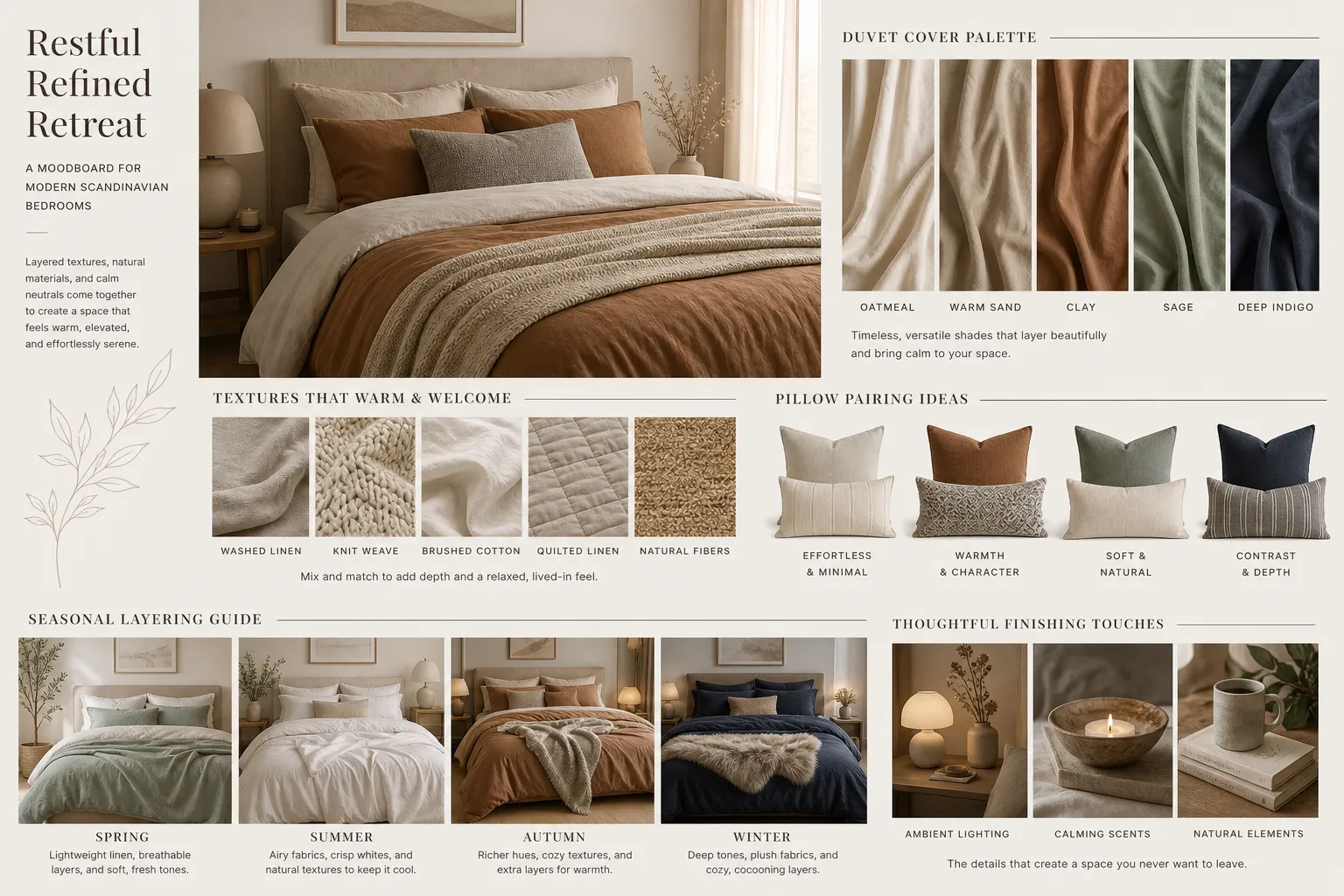
The best duvet cover should feel good and make your room feel inviting.
Choose Color With Intention
White: clean, crisp, timeless
Ivory or sand: warm and calming
Gray: modern and versatile
Blue: restful and classic
Earth tones: grounding and cozy
Think in Layers
A duvet cover doesn’t have to carry the whole room. Add:
textured pillows
a lightweight throw
contrasting sheets
seasonal blankets
Match the Mood
Minimalist: percale, white, oatmeal, stone
Romantic luxe: sateen or silk in soft neutrals
Natural modern: linen in muted earthy shades
Family-friendly cozy: soft cotton in easy-care tones
Warmy & Tummy’s limited-edition and luxury designs make it easier to build a bedroom that feels curated without feeling overdone.
Easy Care Guide by Fabric
Fabric |
Washability |
Drying |
Notes |
|---|---|---|---|
Cotton |
Machine washable |
Tumble low or line dry |
Easiest everyday choice |
Linen |
Machine washable |
Best with low heat or air dry |
Softens beautifully over time |
Silk |
Often delicate care |
Air dry or specialty care |
Check label carefully |
Cooling Blends |
Usually machine washable |
Low heat recommended |
Follow fabric-specific care |
If you want stress-free upkeep, cotton and linen are often the most practical premium choices.
Common Mistakes People Make When Buying a Duvet Cover
Buying by bed size only
Always check insert dimensions too.
Choosing style over sleep comfort
A gorgeous cover that makes you overheat won’t feel luxurious for long.
Ignoring care instructions
Be honest about how much maintenance you’ll tolerate.
Skipping corner ties
These matter more than most people realize.
Forgetting the insert-cover pairing
Your duvet cover and insert should work together, not compete.
What Competitor Guides Often Miss
After reviewing top-ranking content, a few clear gaps stand out:
They explain what duvet covers are, but not how to build the right system
The best sleep setup is about the combination of insert, shell, warmth, and season.
They mention fabric, but often don’t connect it to sleep behavior
Hot sleeper, cold sleeper, couple, pet owner, busy parent - these realities should shape the decision.
They rarely discuss craftsmanship enough
Stitching, closure quality, ties, drape, and finishing all matter.
They underplay personalized comfort
At Warmy & Tummy, that’s one of the biggest differentiators. You’re not just buying bedding; you’re creating a sleep experience that suits your body, your climate, and your style.
Why Warmy & Tummy Is a Smart Choice for Better Sleep
When you’re ready to upgrade, it helps to buy from a brand that understands sleep as more than decoration.
Warmy & Tummy brings together:
premium bedding designed for deeper, more restful sleep
a wide range of comforters for different seasons and warmth preferences
high-quality materials including organic cotton, silk, linen, goose down, merino wool, and cooling fabrics
customizable mix-and-match options for more personal comfort
eco-friendly and sustainable choices
stylish luxury designs and limited-edition collections
free shipping in the USA on qualifying orders
fast support via email and chat
a 30-day hassle-free return policy with money-back guarantee
more than 20 years of bedding experience
added confidence through a 3-year limited warranty
That combination of comfort, customization, and trust is what makes a premium bedroom feel worth it.
Final Verdict
If you want the best duvet cover, don’t start with trends. Start with how you sleep. The right choice should fit your insert properly, support your temperature needs, feel beautiful against your skin, and make your bedroom feel like a true place of rest.
For most people, breathable cotton or linen will be the strongest starting point. For luxury-focused shoppers, silk and cooling performance fabrics offer another layer of refinement. And if you want a bedding setup that feels personalized instead of generic, Warmy & Tummy makes it easier to choose with confidence.
A better bed doesn’t need to be complicated. It just needs to be thoughtfully built.
If you’re ready to sleep deeper, style your room beautifully, and invest in comfort that lasts, explore Warmy & Tummy’s premium duvet covers, comforters, and mix-and-match bedding essentials.
FAQ
What is the duvet cover trick?
The most popular duvet cover trick is the burrito method, also called the roll method. You lay the cover and insert flat, tie the corners, roll them together, then flip the opening around the roll and unroll. It makes putting on a duvet cover much faster and neater.
What is the best type of duvet cover to buy?
The best type depends on how you sleep, but for most people a breathable cotton or linen duvet cover is the best place to start. Cotton is versatile and easy to care for, while linen is excellent for airflow and relaxed luxury. Hot sleepers may also love cooling performance fabrics.
Is it better to get a duvet cover that is too big or too small?
Neither is ideal, but a duvet cover that is too large usually causes less compression than one that is too small. A too-small cover can bunch, distort, and make the insert feel cramped. The best choice is always a cover sized to match the insert as closely as possible.
How much should a good duvet cover cost?
A good duvet cover can range from moderate to premium pricing depending on the fabric, construction, and brand. You’ll usually pay more for organic cotton, European linen, silk, or luxury detailing, but higher-quality covers often last longer and feel better night after night.
How to pick the right duvet cover?
Pick the right duvet cover by checking size, material, breathability, care needs, and closure details. Match the fabric to your sleep style - cool and crisp, soft and smooth, or airy and relaxed - and make sure it works well with your duvet insert for all-season comfort.