

Sheet Under Comforter: Best Layering for Sleep
If you’ve ever stood at the side of your bed wondering whether a sheet under comforter setup is actually necessary, the short answer is: usually yes, but not always.
The best bedding arrangement depends on how warm you sleep, how often you want to wash bulky layers, the season, and the overall feel you want at bedtime. For many households, adding a top sheet beneath a comforter creates a cleaner, more comfortable sleep system. But for others, especially hot sleepers or minimalists, a simplified layered bed can be just as restful.
At Warmy & Tummy, we believe better sleep starts with bedding that feels intentional. Premium materials, smart layering, and season-right warmth can make the difference between a bed that only looks beautiful and one that truly helps you rest more deeply.
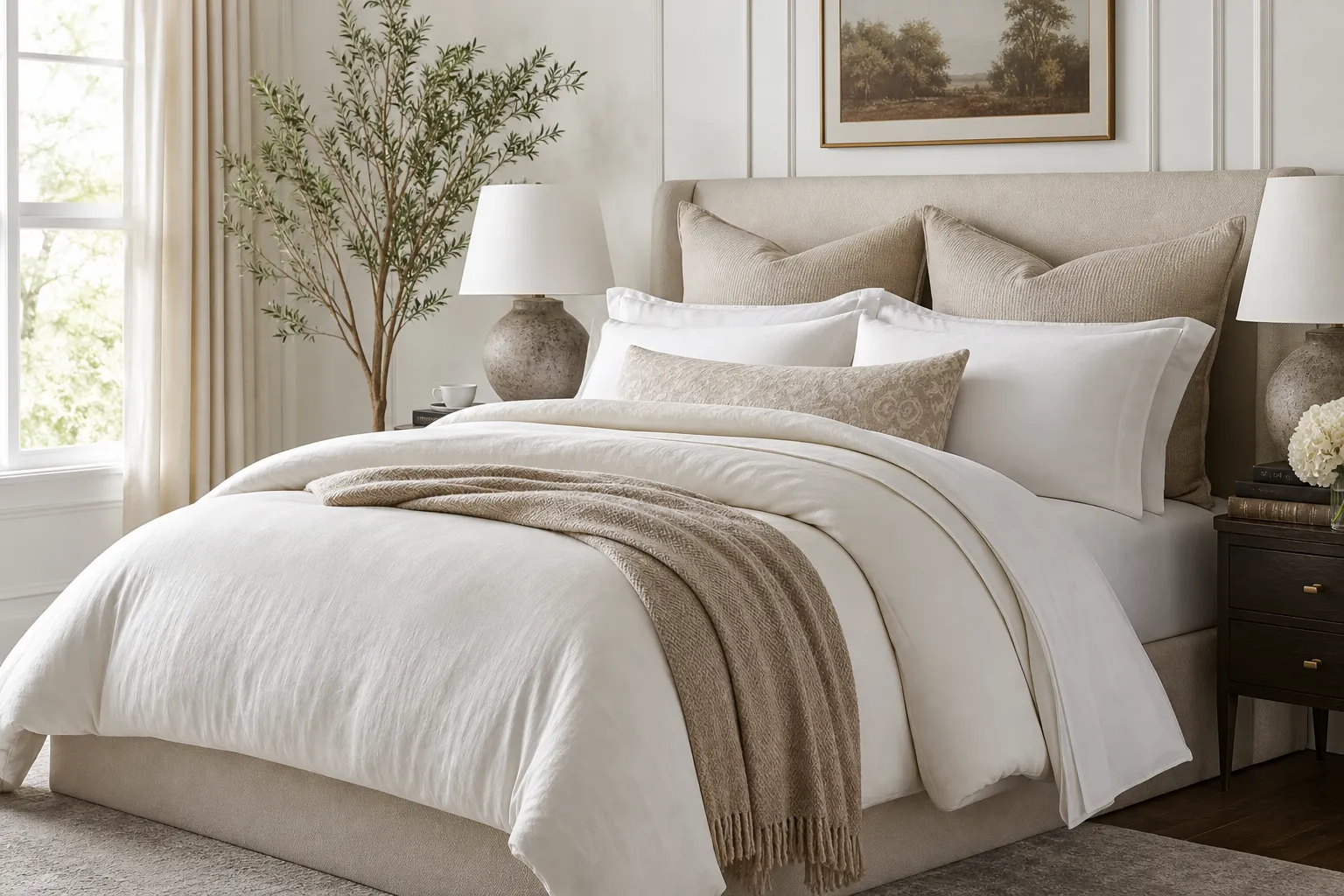
The Short Answer: Should You Use a Sheet Under a Comforter?
For most people, yes. A flat sheet placed between your body and comforter helps with:
cleanliness
comfort
easier temperature control
less frequent washing of the comforter
a smoother, more hotel-like bed feel
That said, there are a few cases where skipping the top sheet makes sense:
you sleep very hot
you prefer fewer layers
you use a duvet cover and wash it often
you like a more relaxed, minimalist bed
The real goal is not following a rule for the sake of it. It’s building a bed that supports better sleep.
What Competitor Advice Gets Right - and What It Misses
Many top-ranking bedding articles agree on a few essentials: start with a fitted sheet, add a flat sheet, layer on a duvet or comforter, and finish with decorative texture. That advice is helpful, but it often stops short of the questions shoppers actually have.
Common advice you’ll see
use a top sheet for comfort and cleanliness
layer based on the season
choose breathable fabrics
avoid too many throw pillows
The content gaps most articles miss
Here’s where many guides gloss over the details:
Comforter vs. duvet practicality: they mention both, but rarely explain how laundering habits should influence your choice
Couples with different sleep temperatures: one partner may need lightweight cooling fabrics while the other wants loft and warmth
Material-by-material layering strategy: not all cotton, linen, silk, wool, or cooling fabrics behave the same
Sleep hygiene: many posts discuss “cleanliness” vaguely without showing why the extra layer matters
How luxury bedding should feel, not just look: a beautiful bed that overheats you is poorly layered
This guide fills in those gaps so you can choose your best setup with confidence.
Why a Top Sheet Under a Comforter Helps Sleep Quality
A flat sheet is more than a traditional finishing touch. It acts as a functional barrier between your body and your heavier top layer.
1. It helps keep your comforter cleaner
A comforter or duvet insert is bulkier and harder to wash than sheets. A top sheet reduces direct contact with sweat, body oils, skincare residue, and dust.
"Experts generally recommend washing bed sheets once a week to remove accumulated sweat, body oils, dead skin cells, and dust mites." - Sleep Foundation
That matters because washing a flat sheet weekly is easy. Washing a lofty goose down comforter every week is not.
2. It makes temperature regulation easier
A sheet gives you a flexible middle layer. On nights when the comforter feels too warm, you can fold it down and sleep under the sheet alone.
This is especially helpful for:
hot sleepers
couples with different temperature preferences
spring and early fall weather
homes with fluctuating indoor temperatures
3. It creates a softer hand-feel
Even premium comforters can feel different against the skin than a soft top sheet. Some sleepers love the crispness of organic cotton, others prefer the glide of silk or the airy ease of linen. A flat sheet lets you customize that next-to-skin feel.
4. It protects your investment
Luxury bedding lasts longer when it’s cared for properly. If you’ve chosen high-end natural fill, premium shell fabrics, or seasonal comforters, a top sheet helps reduce wear and washing stress over time.
When You Can Skip the Sheet Under a Comforter
Not everyone needs a top sheet. A no-top-sheet bed can still be cozy and clean if it’s set up thoughtfully.
You may prefer no flat sheet if:
you use a duvet cover and wash it frequently
you dislike tangled sheets
you want faster bed-making
you live in a warm climate year-round
you use cooling bedding designed to breathe directly against the skin
For this setup to work well, your comforter should ideally be inside a washable cover, or you should be prepared to wash the top layer more regularly.
At Warmy & Tummy, many shoppers who prefer fewer layers choose breathable shells like organic cotton, European linen, silk, or cooling performance fabrics for a cleaner, lighter sleep feel.
The Best Bedding Layer Order for Comfort and Cleanliness
For most homes, this is the ideal layering order from bottom to top.
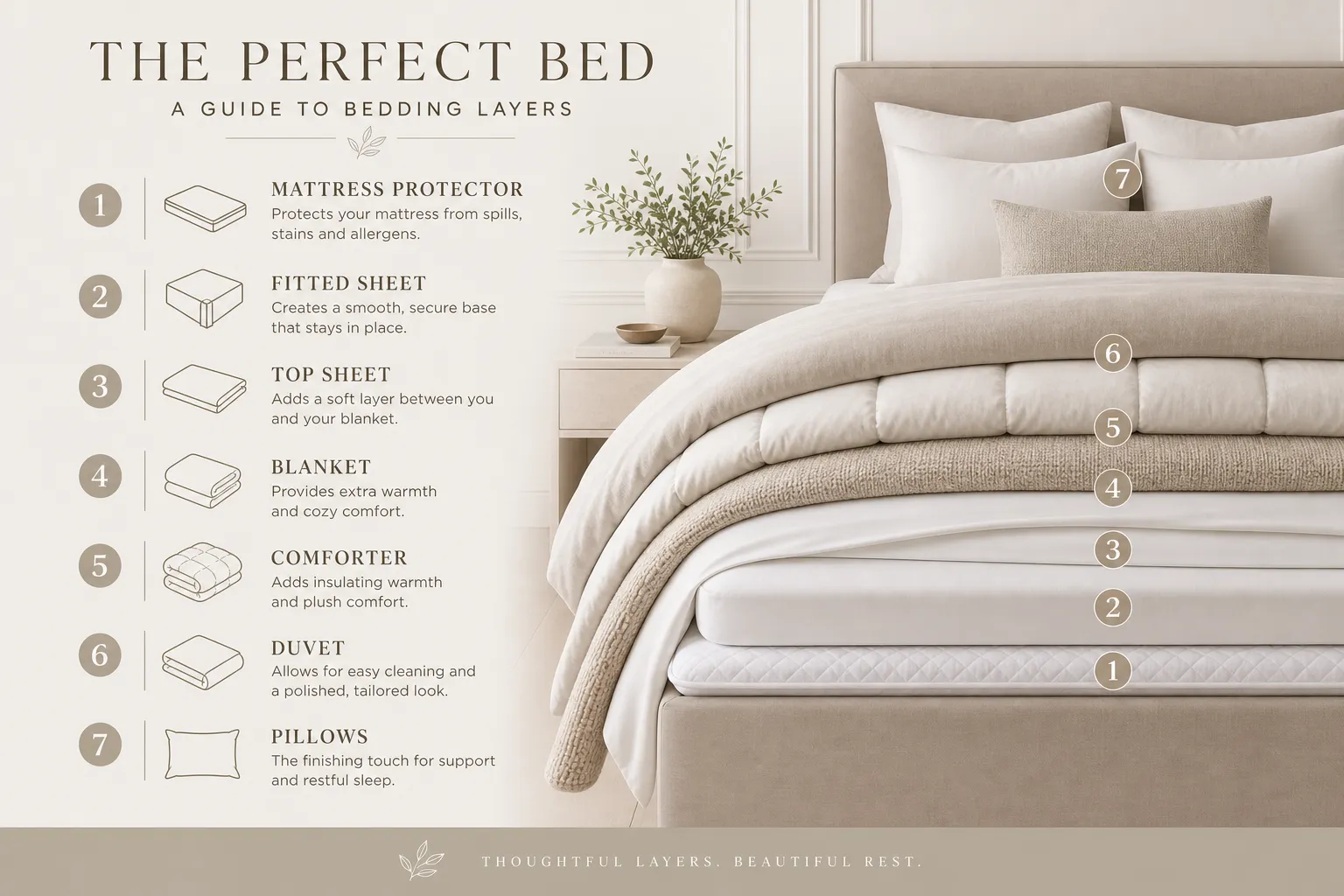
Recommended order
Mattress
Mattress protector
Mattress topper, if desired
Fitted sheet
Flat sheet
Lightweight blanket or coverlet, optional
Comforter or duvet
Throw blanket, optional
Pillows and shams
Why this order works
The lower layers stay fitted and breathable. The middle layers handle comfort and temperature adjustment. The top layers provide insulation, style, and seasonal flexibility.
Comforter vs. Duvet: Which Works Better With a Top Sheet?
This is where the answer gets more personal.
Option |
Best For |
Why a Top Sheet Helps |
|---|---|---|
Comforter |
People who want one easy top layer |
Keeps the comforter cleaner and reduces full washes |
Duvet + insert |
People who want washability and style flexibility |
Still useful, but slightly more optional if you wash the cover often |
Lightweight blanket + comforter |
Layered sleepers and couples |
Easier temperature control through the night |
Sheet + duvet only |
Minimalists and warm climates |
Clean, simple, breathable if fabrics are right |
If you use a comforter
A top sheet is strongly recommended. Since a comforter is often used as the main cover and may not have a removable outer layer, the flat sheet helps reduce direct soiling.
If you use a duvet cover
You have more flexibility. If your duvet cover is washed regularly, you might skip the flat sheet without creating a major care problem. Still, many sleepers keep one because it improves comfort and makes layering more adaptable.
Warmy & Tummy offers a wide range of premium comforters for different seasons and warmth preferences, so you can choose whether your bed needs a lighter breathable layer, plush insulating loft, or a customizable mix-and-match approach.
The Best Layering Setup by Sleep Style
For hot sleepers
Your bed should release heat, not trap it. Consider:
fitted sheet in breathable cotton or cooling fabric
optional lightweight top sheet
lightweight comforter or cooling duvet
no heavy blanket unless your room is very cold
Look for materials like Tencel blends, linen, and organic cotton.
For cold sleepers
A sheet under the comforter usually improves comfort because it creates a gentle insulating buffer.
Try:
fitted sheet
flat sheet
light blanket or quilt
medium- or heavyweight comforter
optional wool layer in winter
Warmy & Tummy’s selection of goose down comforters, merino wool blankets, and natural premium shells is especially helpful for building warmth without making the bed feel stiff or bulky.
For couples with different body temperatures
This is one of the biggest missed topics in competitor articles. The best fix is usually not an argument over the thermostat, but a smarter layered setup.
Try:
shared fitted sheet
shared flat sheet
medium base comforter
one partner adds a personal throw or blanket
choose breathable shells to avoid heat buildup
Customizable bedding options are especially useful here. Warmy & Tummy’s mix-and-match comforter choices can help households fine-tune warmth and material preferences more precisely.
The Best Setup for Every Season
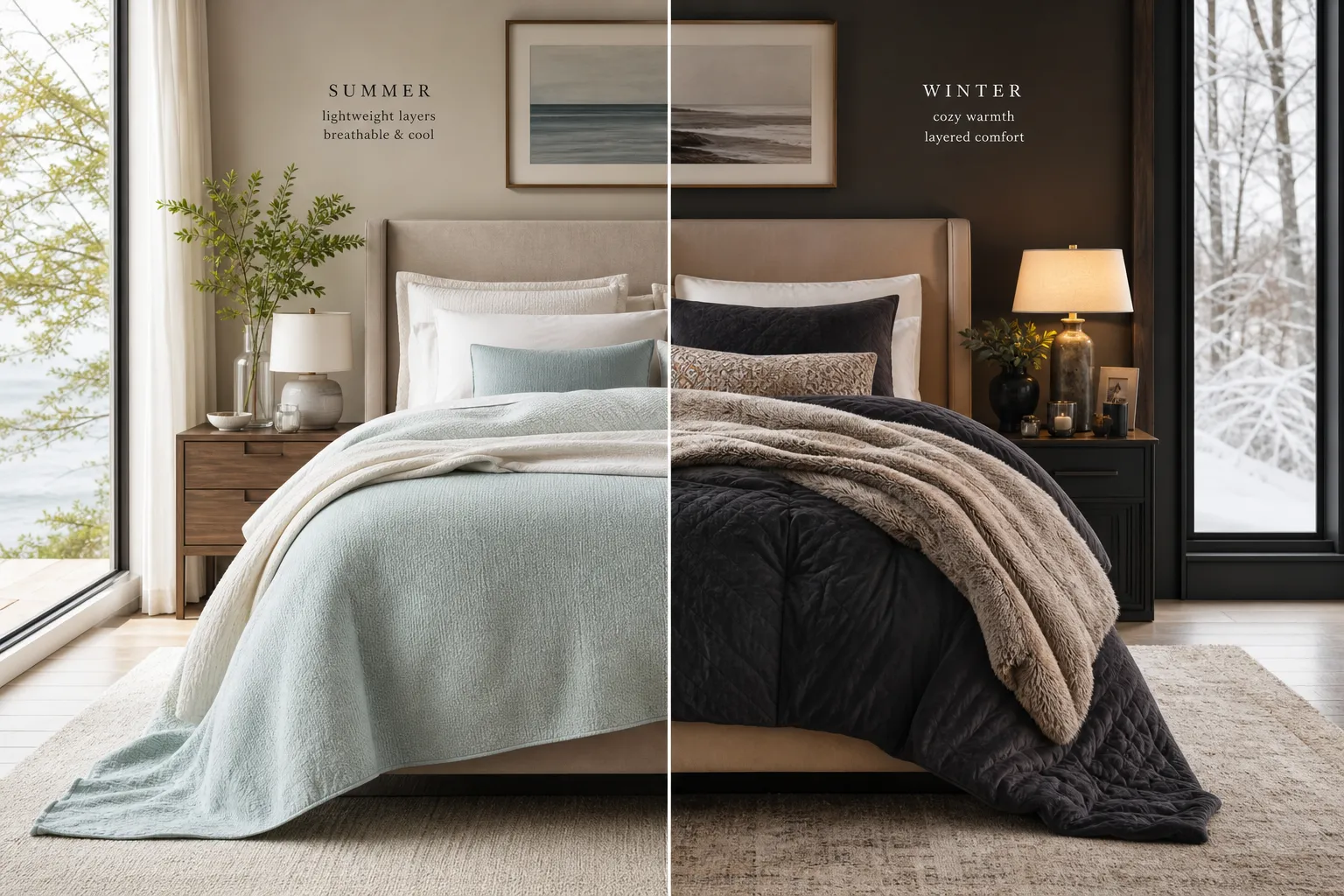
Spring
Spring nights can be unpredictable, so flexibility matters.
Best layering:
fitted sheet
top sheet
lightweight comforter or duvet
optional breathable blanket at the foot of the bed
Summer
This is where some sleepers skip the top sheet, but not always.
Best layering:
fitted sheet
lightweight top sheet or no top sheet
cooling comforter or airy blanket
breathable pillowcases
Cooling fabrics and lower-loft layers shine here.
Fall
A top sheet becomes more useful as temperatures dip.
Best layering:
fitted sheet
flat sheet
medium-weight comforter
optional quilt or coverlet
Winter
Use layers to trap warmth without overheating.
Best layering:
fitted sheet
flat sheet
insulating mid-layer if needed
warm comforter or duvet
optional wool or cashmere throw
"The ideal bedroom temperature for most individuals ranges between 60°F and 68°F (15°C to 20°C)." - Sleep Foundation
That temperature range is one reason layered bedding works so well: you can adjust your covers without overcorrecting your whole sleep environment.
Which Materials Work Best Under and Over a Comforter?
Material choice affects softness, warmth, breathability, and even how polished your bed looks.
Best flat sheet materials
Material |
Feel |
Best For |
|---|---|---|
Organic cotton |
Soft, breathable, familiar |
Everyday luxury and balanced comfort |
Linen |
Airy, relaxed, temperature-friendly |
Hot sleepers and effortless style |
Silk |
Smooth, cool, elegant |
Sensitive skin and premium sleep feel |
Cooling performance fabric |
Dry, breathable, modern |
Hot sleepers and humid climates |
Best comforter shell and fill pairings
Shell / Fill |
Feel |
Ideal Use |
|---|---|---|
Organic cotton + goose down |
Classic loft and breathability |
Year-round comfort |
Silk shell + lightweight fill |
Smooth and elegant |
Elevated warm-weather sleep |
Linen shell + down alternative |
Casual luxury with airflow |
Relaxed, breathable bedrooms |
Cooling shell + airy fill |
Fresh and temperature-aware |
Hot sleepers |
Wool layers |
Insulating but breathable |
Cooler months |
Warmy & Tummy’s range is designed around these practical differences, not just looks. From limited-edition luxury designs to eco-friendly materials, the goal is to help shoppers create a bed that feels deeply personal and deeply restful.
How to Decide If You Need a Sheet Under Your Comforter
Ask yourself these five questions:
Do you wash your comforter often?
If not, use a top sheet.
Do you sleep hot?
You may prefer a lighter, more breathable setup, with or without a sheet depending on fabric choice.
Do you like a tucked-in, hotel-style bed?
A flat sheet usually makes the bed feel more finished.
Do you hate sheet tangling?
Consider skipping it and using a duvet cover instead.
Are you investing in premium bedding?
A sheet adds protection and can extend the life of your comforter.
Common Layering Mistakes That Hurt Sleep
Even expensive bedding can perform poorly if it’s layered the wrong way.
Using too many heavy layers
A bed should feel inviting, not restrictive. Over-layering can trap heat and disrupt sleep.
Choosing style over function
A beautiful quilted bed means little if the fabrics don’t suit your temperature needs.
Ignoring washability
If your top layer is hard to wash, a flat sheet becomes much more valuable.
Matching the wrong materials
Silky sheets with a heat-trapping top layer may look luxurious but sleep uncomfortably. Layering should balance touch, airflow, and insulation.
Forgetting seasonality
One bedding formula rarely works for all 12 months. Rotating comforter weight and shell materials makes a noticeable difference.
A Luxury-First Approach to Better Bedding
The best bedding doesn’t just decorate a bedroom. It supports deeper rest.
That’s why Warmy & Tummy focuses on:
premium bedding designed for more restorative sleep
comforters for different seasons and warmth preferences
elevated materials including organic cotton, silk, linen, goose down, merino wool, and cooling fabrics
customizable mix-and-match comforter options
eco-conscious choices for shoppers who value sustainability
elegant luxury styling and limited-edition collections
fast support through email and chat
free shipping in the USA on qualifying orders
a 30-day hassle-free return policy with money-back guarantee
long bedding experience and a 3-year limited warranty
Those details matter because sleep is personal, and truly premium bedding should feel supportive before, during, and after purchase.
Final Verdict: Is a Sheet Under a Comforter the Best Choice?
For most sleepers, yes. A sheet under your comforter is the best layering choice for comfort, cleanliness, easier care, and flexible temperature control. It creates a practical buffer that helps your bedding stay fresher while also making your sleep setup easier to adjust across seasons.
Still, there’s no one-size-fits-all answer. If you prefer fewer layers, sleep very warm, or wash your duvet cover frequently, skipping the top sheet can work beautifully too. The best bed is the one that helps you wake up comfortable.
If you’re ready to upgrade your layering system, Warmy & Tummy makes it easy to build a bed that feels as luxurious as it looks. Explore premium comforters, refined natural materials, personalized warmth options, and thoughtful customer care designed to help you sleep better night after night.
FAQ
What to layer under a comforter?
Under a comforter, the most common setup is a fitted sheet followed by a flat sheet. If you want extra softness or seasonal warmth, you can also add a lightweight blanket or coverlet before the comforter.
Are you supposed to sleep under the sheet or comforter?
Most people sleep under both: the sheet sits directly against the body, while the comforter provides warmth on top. This arrangement helps with comfort, cleanliness, and temperature control.
What is the proper order for layering bedding?
The proper order is mattress, protector, fitted sheet, flat sheet, optional blanket, then comforter or duvet. Decorative layers like throws and pillows go on top last.
Do you put a sheet under a comforter?
Yes, many sleepers do because a top sheet under a comforter helps keep the comforter cleaner and makes the bed easier to adjust through the night. However, hot sleepers or minimalist sleepers may skip it if they prefer fewer layers.
What is the recommended order for layering bedding?
The recommended order is mattress protector, fitted sheet, flat sheet, optional mid-layer, and comforter. This structure supports better airflow, easier washing, and a more polished sleep setup.