

Parents: Don’t Buy Your Freshman a Duvet Until You Read This
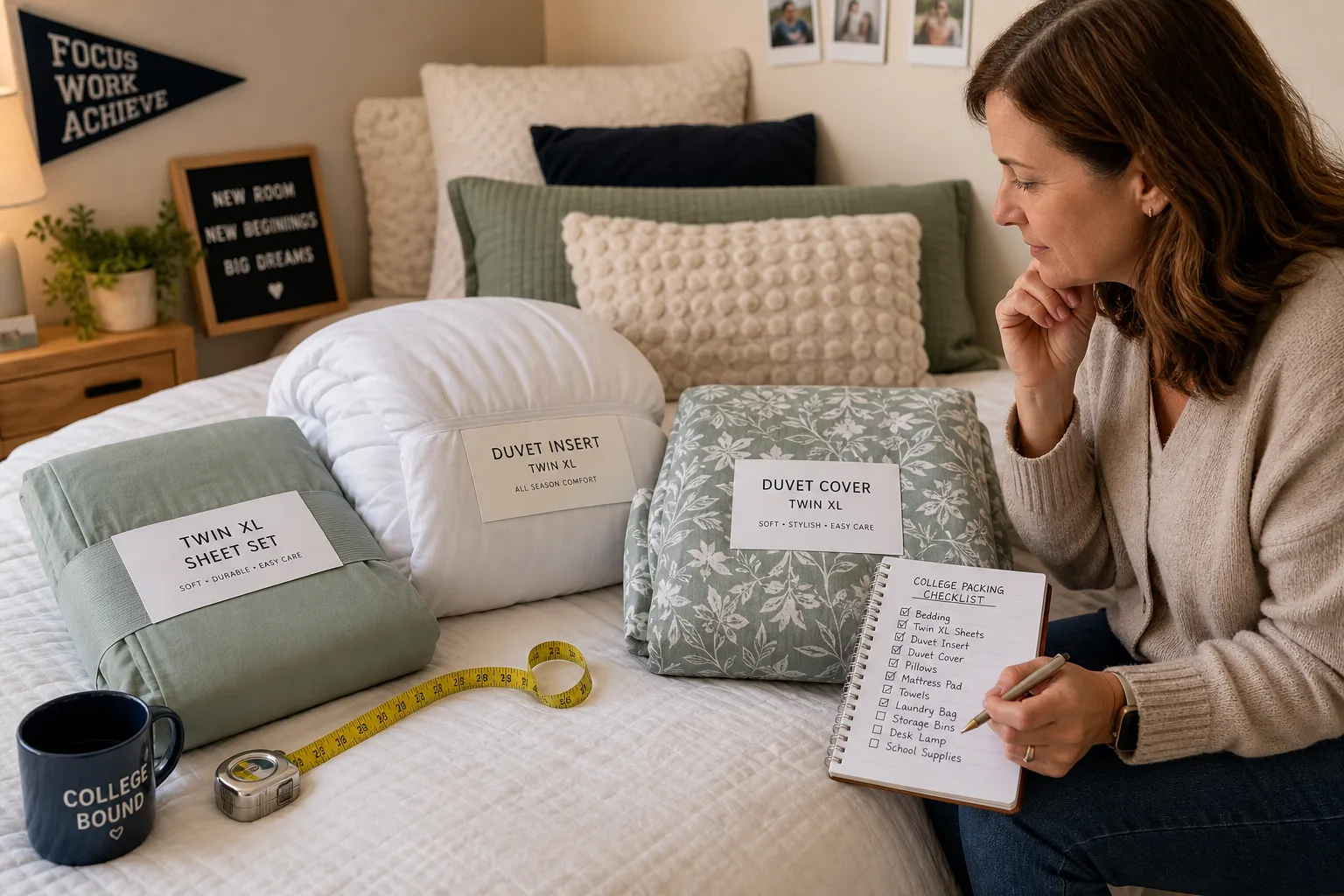
If you’re preparing for freshman move-in, there’s a good chance you’re about to make one of the most common bedding mistakes: buying the duvet you’d choose for home and assuming it will work in a dorm.
That’s usually where the regret starts.
Parents often buy something too heavy, too oversized, too hard to wash, too warm for a stuffy residence hall, or simply the wrong size for a Twin XL bed. Then move-in day arrives, and suddenly that beautiful bedding set becomes one more return, one more box, or one more expensive mistake.
A good dorm duvet for freshman life should do three things well: fit a dorm bed properly, adapt to unpredictable temperatures, and be easy for an 18-year-old to live with. That’s it. Not overly decorative. Not overly complicated. Just smart, comfortable, durable bedding that helps your student sleep better and settle in faster.
"Approximately 70% of college students report getting insufficient sleep, with only about 30% regularly obtaining the amount their bodies need." - OneTwenty
That’s why this decision matters more than it seems. In a year full of change, a well-made bed can become one of the few dependable comforts your freshman has from day one.

The Biggest Duvet Mistakes Parents Make Before Move-In
Most back to school duvet mistakes happen before anyone even checks the dorm specs. Here are the ones that cause the most frustration.
1. Buying for a regular twin instead of a Twin XL
This is the classic freshman move-in duvet problem.
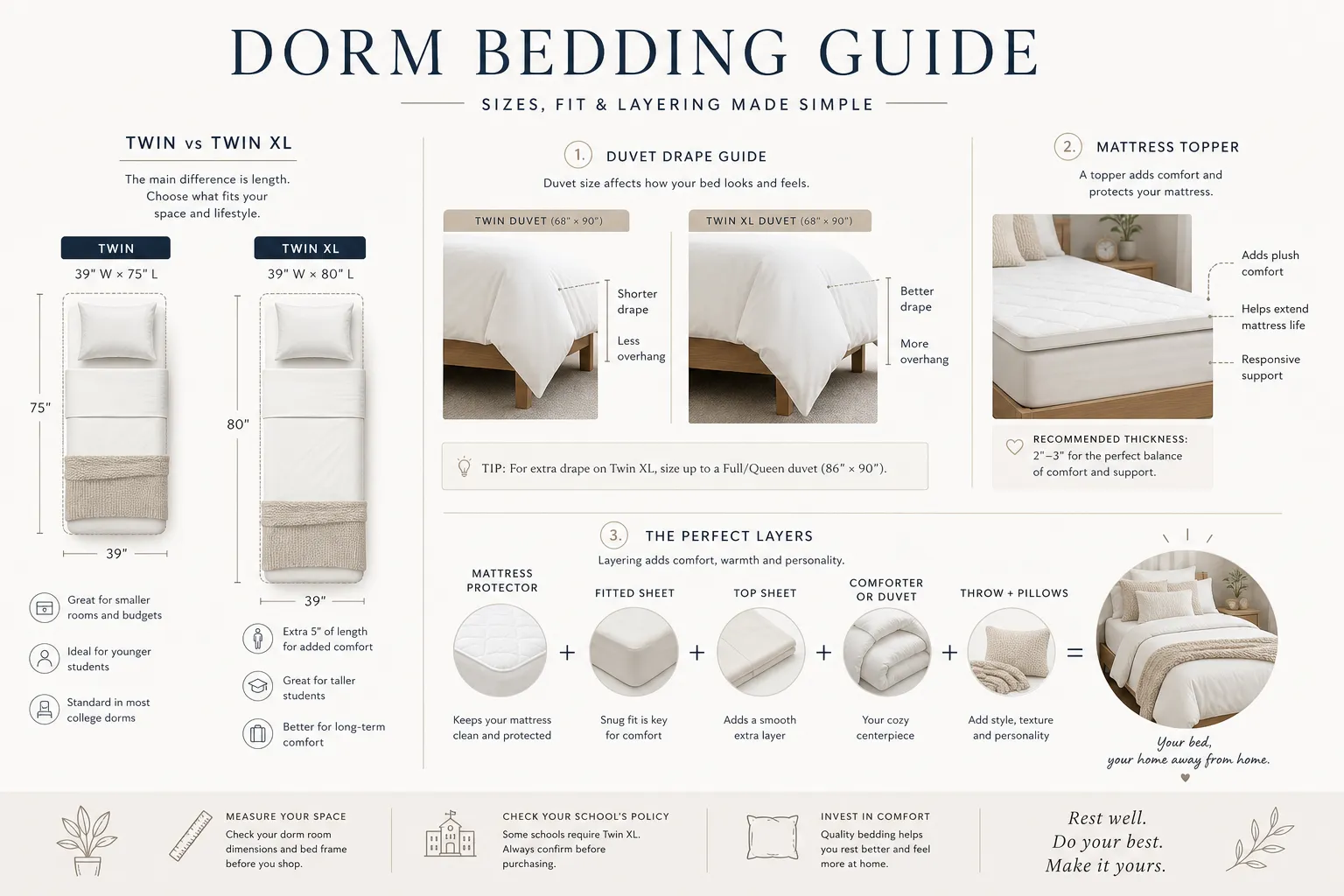
Most dorm beds are Twin XL, not standard twin. That extra length matters. A duvet or insert sized for a regular twin can end up looking short, shifting awkwardly, or leaving the mattress exposed once a topper is added.
Before you buy anything, confirm:
Mattress dimensions
Whether the college uses Twin XL
Whether the mattress is extra deep or plastic-encased
Whether your student plans to add a topper
2. Choosing warmth based on your home climate
Dorms are rarely climate-controlled the way home bedrooms are. Some are freezing in winter and overheated in early fall. Others trap heat year-round.
If you buy a very heavy duvet because your child “likes to be warm,” they may end up kicking it off every night by September. The safer route is a breathable, layer-friendly option that works across seasons.
This is where premium materials matter. Natural fibers like organic cotton, linen, silk, and breathable cooling fabrics tend to regulate temperature better than cheaper synthetic shells.
3. Falling for a dorm bedding bundle without checking fabric quality
A lot of packaged dorm bedding looks convenient. But convenience can hide compromises:
Scratchy microfiber
Overly hot polyester fill
Thin construction
Limited washability
Poor fit after one laundry cycle
Dorm life is hard on bedding. If you’re buying duvet for college student use, choose quality your freshman will still appreciate after midterms, laundry day, and winter break.
4. Picking something bulky that’s hard to store or wash
A fluffy oversized duvet may look luxurious online, but dorm rooms are tiny. Storage is limited. Laundry rooms are shared. And anything high-maintenance becomes a burden fast.
The best dorm bedding is easy to shake out, easy to air, and realistic for campus living.
5. Prioritizing looks over function
Yes, you want the room to feel nice. Yes, style matters. But the prettiest duvet in the world won’t help if it slides around, bunches up, overheats, or can’t survive weekly use.
The ideal freshman move-in duvet should feel polished and elevated while still being practical enough for daily life.
What to Check Before You Buy Any Duvet
Before you click “add to cart,” run through this short checklist.
Dorm bed size
Confirm whether the bed is:
Twin XL
Standard twin
Lofted or raised
Paired with a mattress topper
Room temperature patterns
Ask:
Does the dorm have AC?
Is the building known for running hot?
Will your student need breathable layers more than maximum warmth?
Laundry reality
Be honest about how your child will actually care for the bedding. If the answer is “probably not often,” you want materials and construction that can still stay fresh, comfortable, and manageable.
Your student’s sleep preferences
Do they sleep hot? Love weight on the body? Prefer crisp cotton? Need something extra soft to settle nerves during the first few weeks? The right duvet isn’t just about décor. It’s about helping them rest in a totally new environment.
Duvet vs Comforter for College: Which Is Better?
Parents ask this all the time, and the answer depends on how your student will use it.
Option |
Best For |
Pros |
Possible Drawbacks |
|---|---|---|---|
Duvet with cover |
Students who want easy refreshes and a cleaner look |
Cover is easier to wash, customizable style, premium feel |
Insert and cover must fit correctly |
Comforter |
Students who want simplicity |
One-piece convenience, quick bed-making |
Harder to wash fully, less flexible across seasons |
For many freshmen, a duvet setup is the smarter long-term choice because the cover can be removed and washed more easily than a bulky one-piece comforter. It also gives you more control over warmth level, shell fabric, and style.
That flexibility is especially helpful when dorm temperatures are inconsistent.
The Best Duvet Features for Dorm Life
If you want the safe pick, focus on these features.
Breathable shell fabrics
Look for:
Organic cotton
European linen
Silk blends
Cooling performance fabrics like Tencel blends
These materials feel better against the skin and generally help with airflow, which matters in dorms more than parents expect.
Sensible warmth level
A lightweight or all-season duvet is usually the best starting point for college. It gives your freshman enough comfort without turning the bed into a heat trap.
Warmy & Tummy offers a wide range of comforters for different seasons and warmth preferences, which makes it easier to match the bedding to the student rather than forcing every student into the same one-size-fits-all option.
Easy-to-style design
Dorm rooms are small, visually busy spaces. Clean, premium bedding instantly helps the room feel calmer and more put together. A duvet in a refined neutral or classic texture often works better than a loud trend piece that may feel dated by October.
Durable craftsmanship
College bedding should survive:
repeated washing
weekend lounging
late-night studying
dorm heating quirks
packing, unpacking, and storage
That’s where quality construction earns its keep.
Twin vs Twin XL: Why a Few Inches Matter So Much
A standard twin mattress is typically about 39" x 75", while a Twin XL is about 39" x 80". That extra five inches can affect everything from sheet fit to duvet drape.
If you add a mattress topper, the bed gets even taller, which makes a too-small duvet feel skimpy fast.
Quick sizing tips
Always verify the school’s published bed size
Account for topper height
Make sure the duvet cover and insert are compatible
Don’t assume “college bedding” means premium or correctly sized
What Competitor Advice Usually Misses
A lot of dorm bedding advice covers the basics: buy Twin XL, get a topper, skip the printer, keep it simple. Useful, yes. Complete, not quite.
Here’s what often gets glossed over:
Material quality affects sleep more than most parents think
It’s not just about softness. Better shell fabrics can influence breathability, moisture management, comfort across seasons, and whether the bedding still feels good after repeated washing.
Dorm bedding should be chosen for the whole year, not just move-in day
August shopping tends to focus on appearance and immediate convenience. But the real test comes in October, January, and finals season. A well-chosen duvet should still work when temperatures shift and routines get messy.
Sustainability matters to today’s shoppers
Eco-conscious choices are no longer niche. Many households want better materials, longer-lasting products, and less disposable bedding.
"According to a March 2023 Home Textiles Survey, 71% of respondents express a genuine interest in environmentally friendly bedding." - Cotton Incorporated, cited by Grand View Research
That makes responsibly chosen bedding feel especially relevant for families trying to buy fewer, better things.
Return flexibility matters more than people admit
Sometimes you do everything right and still need to swap warmth level or feel. That’s why policies matter. A 30-day hassle-free return and money-back guarantee gives parents peace of mind during a chaotic season.
How to Build the Smartest Dorm Bed
Here’s a simple, parent-approved setup that works beautifully for most freshmen.
Recommended layering
Mattress protector
Mattress topper if needed
Fitted Twin XL sheet
Lightweight or all-season duvet insert
Washable duvet cover
One supportive pillow for sleep
Optional reading pillow
This setup keeps the bed comfortable without becoming bulky or unmanageable.
What to Spend and Where to Splurge
If you’re budgeting for freshman bedding, don’t overspend on trendy extras and underspend on the pieces that actually affect sleep.
Worth splurging on
Duvet insert
Duvet cover
Breathable sheets
Mattress topper
Fine to keep simple
Decorative pillows
Seasonal accent throws
matching storage accessories
The goal isn’t to recreate a Pinterest room. It’s to give your student a bed they’ll genuinely want to crawl into after a long day.
Why Warmy & Tummy Is the Safe Pick for Parents
If you’re worried about buying the wrong one, Warmy & Tummy is the kind of brand that lowers the risk and raises the comfort.
Warmy & Tummy is built around premium bedding designed for deeper, more restful sleep, which is exactly what a freshman needs in a noisy, unfamiliar dorm environment. Instead of forcing you into generic dorm bundles, the brand offers thoughtfully made comforters in a wide range of warmth levels, fabrics, and finishes.
That means you can choose what actually fits your child’s needs:
breathable organic cotton for a crisp, classic feel
silk for softness and temperature balance
linen for relaxed texture and airflow
goose down for lightweight luxury
merino wool and cooling fabrics for season-specific comfort
Even better, Warmy & Tummy offers customizable mix-and-match comforter options, so you’re not stuck with a one-note solution. If your student sleeps hot, loves a lighter drape, or wants a cleaner luxury look, you can build around that.
For parents who care about values as much as comfort, the brand also highlights eco-friendly and sustainable choices, along with stylish luxury designs and limited-edition collections that feel elevated without sacrificing practicality.
And because move-in season is stressful enough, the trust signals matter:
30-day hassle-free returns
money-back guarantee
fast customer service via email and chat
free shipping in the USA on qualifying orders
more than 20 years of industry experience
3-year limited warranty
That combination makes Warmy & Tummy feel less like a gamble and more like the safe, grown-up answer to a common parent mistake.
Final Verdict: Buy for Dorm Reality, Not Home Habit
The biggest mistake parents make is simple: they buy a duvet based on what works at home, not what works in a dorm.
Before you buy, check the bed size, think through the room temperature, choose breathable materials, and keep laundry and storage in mind. If you do that, you’ll avoid most of the regret that comes with back to school duvet mistakes.
And if you want the safest route, go with a brand that already understands sleep comfort, seasonal warmth, premium materials, and practical flexibility.
Warmy & Tummy is that safe pick.
For freshman year, that means less guesswork, fewer returns, and a bed your student will actually love living with.
FAQ
Should I get a duvet or comforter for college?
For most students, a duvet with a washable cover is the better choice because it is easier to refresh, easier to style, and more flexible across changing dorm temperatures. A comforter can work too, but it is often bulkier and harder to wash in shared campus laundry rooms.
What to do as a parent of a college freshman?
Focus on the essentials that will genuinely improve daily life, especially sleep, comfort, and practicality. Before buying bedding, confirm the dorm bed size, check climate conditions, and choose durable, breathable pieces your student can actually manage on their own.
Do I need to buy a duvet for uni?
No, a duvet is not mandatory, but it is often a smart and practical option for dorm living. It gives students a comfortable, easy-to-clean top layer and makes it easier to adjust warmth with the right insert and cover.
Why is Gen Z skipping college?
Students skip college for many reasons, including cost, alternative career paths, and changing views on higher education. That topic is separate from dorm shopping, but for families who are preparing for move-in, practical choices like better bedding can still make the transition smoother and more supportive.
Can my girlfriend stay the night in my dorm?
That depends entirely on your school’s guest and housing policies. Some dorms allow overnight guests with roommate consent, while others limit or prohibit them, so students should always check their residence hall rules first.