

Difference Between Comforter and Duvet Explained
If you’ve ever stood in front of your bed wondering whether you need a comforter, a duvet, a duvet insert, or a duvet cover, you’re not alone. These bedding terms are often used interchangeably, but they do not mean the same thing - and knowing the difference can completely change how your bed looks, feels, and performs through the seasons.
For comfort-conscious shoppers, couples with different warmth preferences, families upgrading the guest room, and anyone building a more beautiful sleep space, understanding the difference between comforter and duvet is one of the smartest bedding decisions you can make. The right choice affects warmth, ease of cleaning, layering, bedroom style, and long-term value.
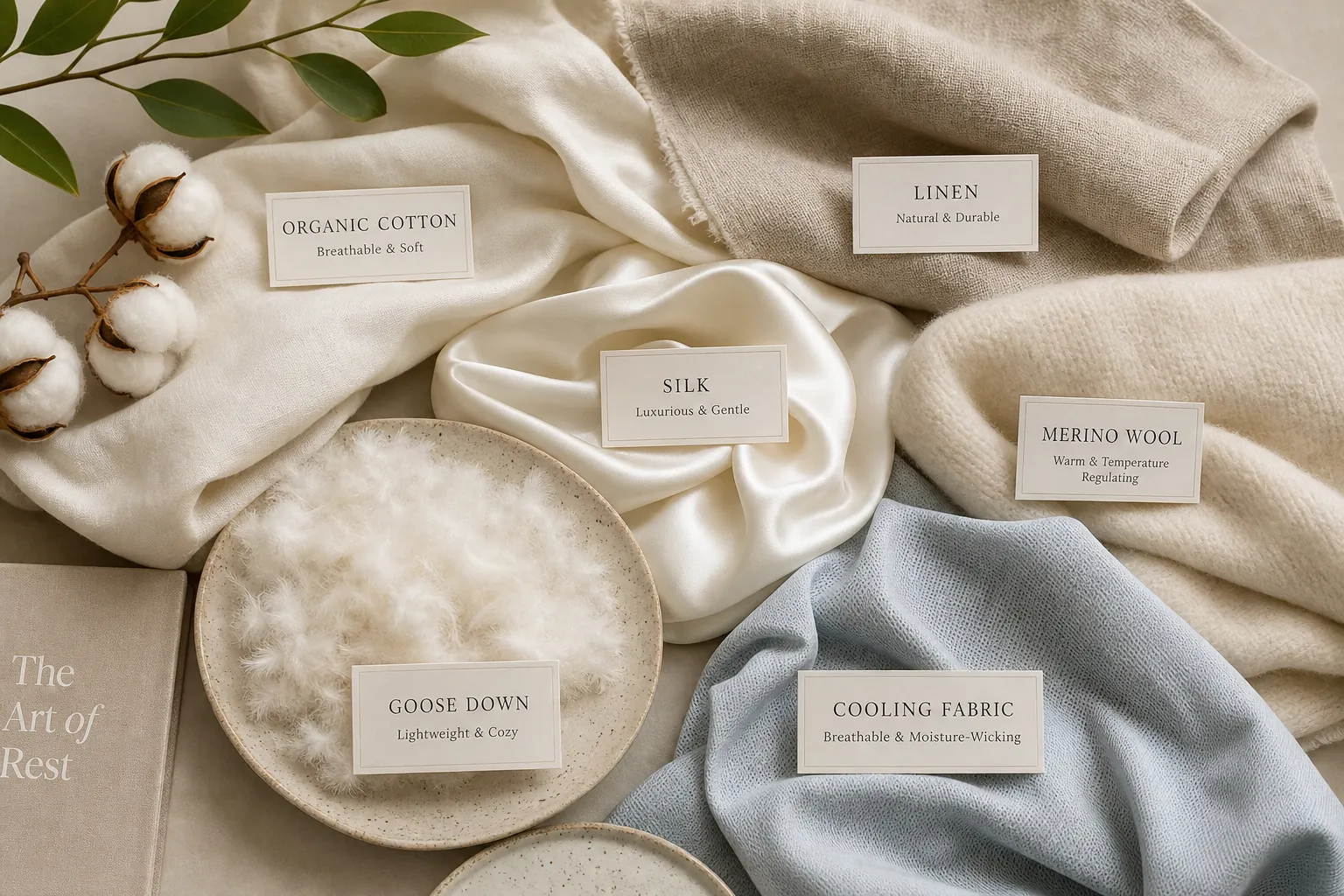
At Warmy & Tummy, we believe premium bedding should feel simple, not confusing. With more than 20 years of experience in bedding, we help customers create deeper, more restful sleep with luxury materials like organic cotton, silk, linen, goose down, merino wool, and cooling performance fabrics - plus mix-and-match options that let you personalize comfort exactly the way you like it.
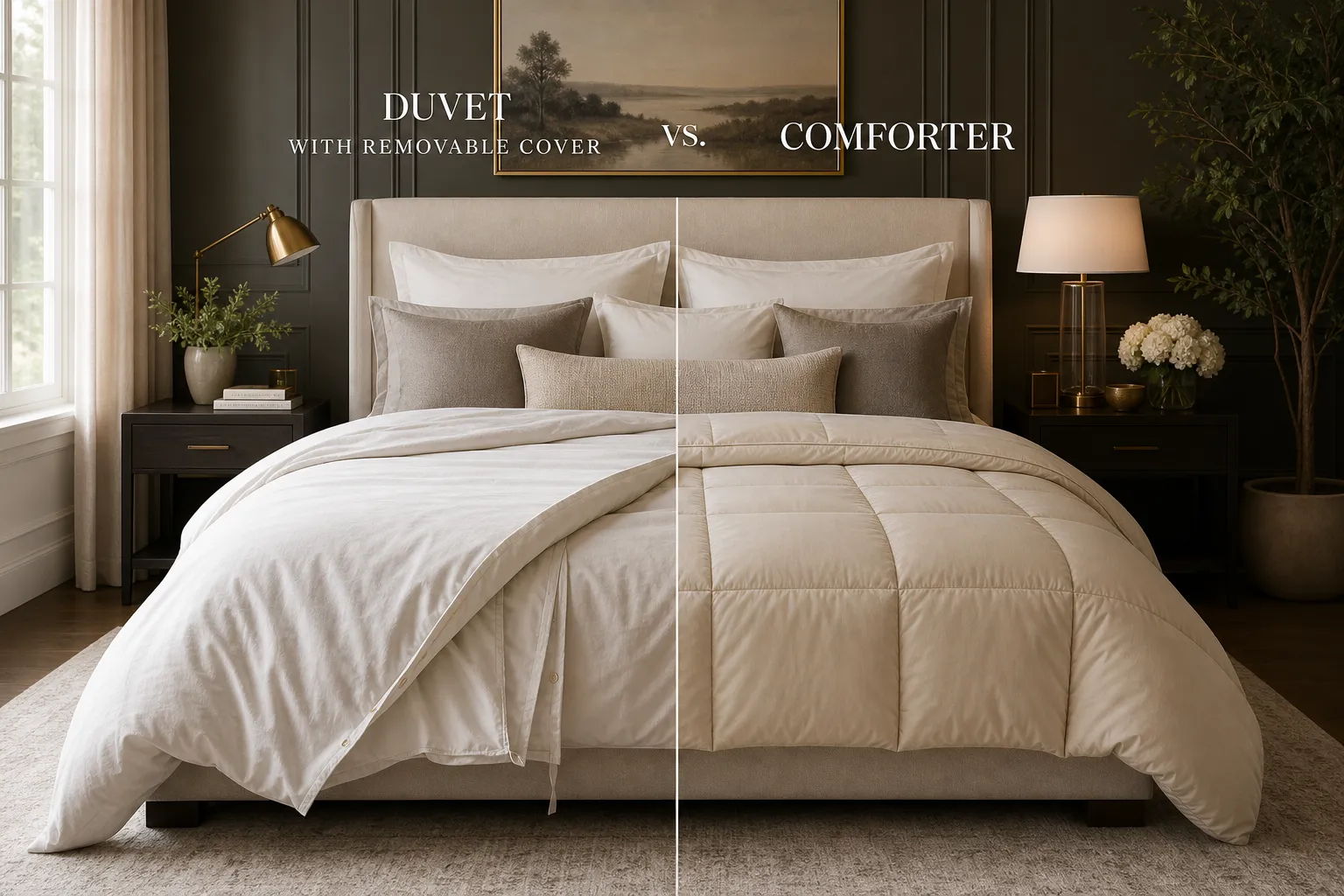
The Short Answer: What’s the Difference?
Here is the simplest way to think about it:
A comforter is usually a single finished piece of bedding designed to go directly on the bed.
A duvet usually refers to the insert, which is meant to go inside a removable duvet cover.
That means the difference between a comforter and a duvet is not just about appearance - it is also about how each one is used.
Quick Comparison Table
Feature |
Comforter |
Duvet Insert |
|---|---|---|
Used on its own |
Yes, usually |
No, usually paired with a cover |
Removable outer cover |
No |
Yes |
Cleaning |
Whole piece must be washed |
Cover washes separately |
Style changes |
Limited |
Easy - swap the cover |
Look on the bed |
Often more traditional |
Often cleaner and more tailored |
Warmth flexibility |
Moderate |
High, especially with interchangeable inserts |
Best for |
Simplicity |
Versatility and premium layering |
What Is a Comforter?
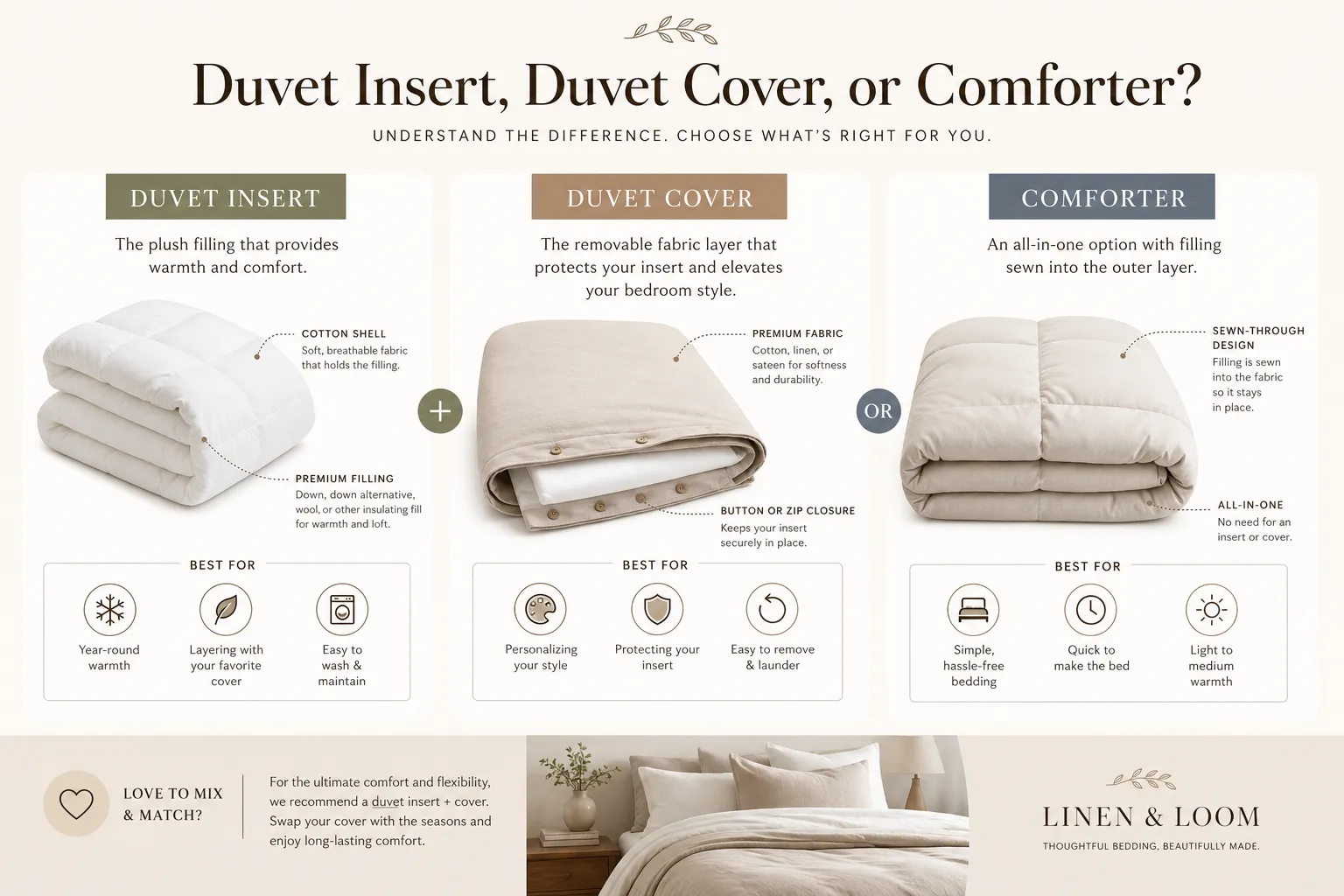
A comforter is a quilted, filled bed covering with an outer fabric already built in. It is typically sold as a finished top layer and may come in solid colors, textures, or decorative prints.
Most people use a comforter without any cover over it, usually with sheets underneath. Because it is exposed, the entire comforter needs cleaning when it gets dirty.
Comforter Pros
Easy to use right away
No separate cover required
Good for people who want a grab-and-go bed setup
Often works well in kids’ rooms, guest rooms, or casual bedrooms
Comforter Cons
Harder to wash and dry than a duvet cover
Less flexible if you want to refresh your bedroom style
Can wear faster because the outside fabric is always exposed
Not always ideal for people who want seasonal layering options
What Is a Duvet?
A duvet is a filled insert, usually made with down, down alternative, wool, silk, or another insulating material. It is designed to go inside a duvet cover, which functions like a protective and decorative outer layer.
Think of it as a pillow and pillowcase relationship: the insert provides the loft and warmth, while the cover provides the look and washable surface.
Why Many Shoppers Prefer Duvets
A duvet system gives you more flexibility:
You can wash the cover more often than the insert
You can switch styles without replacing the fill
You can choose different inserts for different seasons
It often creates a more polished, hotel-like bed
This is one reason premium bedding shoppers often prefer a duvet setup, especially when investing in luxury materials and long-term sleep comfort.
What Is a Duvet Cover?
A duvet cover is the fabric shell that goes around a duvet insert. It usually closes with buttons, zippers, or ties and often includes inner corner ties to help keep the insert in place.
Duvet Cover vs Comforter Cover
This is where confusion happens. Many people search for the difference between duvet and comforter cover, but in practice, a traditional comforter usually does not need a cover. A duvet is specifically designed for one.
A duvet cover gives you:
A washable outer layer
An easy style update
Protection for the insert
The option to coordinate with sheets, pillowcases, throws, and shams
For households that care about both sleep quality and bedroom aesthetics, this makes a duvet system especially appealing.
Duvet Insert vs Comforter: The Real Functional Difference
Competitor articles often stop at “one has a cover and one doesn’t.” That is true - but incomplete. The real difference between comforter and duvet insert comes down to sleep system design.
A Comforter Is a Finished Product
A comforter is meant to be both the inner fill and outer visible bedding piece at the same time.
A Duvet Insert Is a Modular Product
A duvet insert is part of a two-piece system:
Insert for warmth and loft
Cover for protection and style
That modular system matters because it gives you greater control over:
Warmth level
Fabric feel
Cleaning routine
Seasonal switching
Bedroom design
For example, at Warmy & Tummy, shoppers can choose from premium comforters and duvet-style bedding solutions in organic cotton, deluxe silk, European linen, goose down, and cooling fabrics, then tailor the look and feel around their sleep preferences.
Down Comforter vs Duvet: Are They the Same?
Not exactly.
A down comforter refers to the fill material - it is a comforter filled with down. A duvet refers more to the function and format - an insert intended to be used inside a cover.
So the difference between a down comforter and duvet is not always material-based. A down-filled product can be either:
A down comforter used on its own, or
A down duvet insert used inside a duvet cover
Why This Matters
When people compare the difference between down comforter and duvet insert, they are often mixing fill type with product style.
Here’s a clearer breakdown:
Term |
Refers To |
|---|---|
Down comforter |
A comforter filled with down |
Down duvet insert |
A duvet insert filled with down |
Comforter |
Product type |
Duvet insert |
Product type |
Down |
Fill material |
So if you’re asking about the difference between a down comforter and duvet, the answer is often: it depends on whether the piece is meant to be used alone or inside a cover.
Down Comforter vs Regular Comforter
Another common source of confusion is the difference between comforter and down comforter.
A regular comforter may be filled with any material, including:
Polyester
Down alternative
Cotton blends
Wool
Silk
Natural down
A down comforter is simply a comforter that uses down fill.
Benefits of Down Fill
Excellent warmth-to-weight ratio
Fluffy, cloud-like loft
Breathability
Long-lasting premium feel when properly cared for
For shoppers seeking luxurious sleep, goose down remains a favorite because it offers warmth without the heaviness that many lower-end fills create.
Warmy & Tummy specializes in premium comfort solutions designed around different warmth needs, fabric preferences, and seasonal changes, so you can choose the plushness and breathability that fits your home and climate.
Which Is Better for Hot Sleepers?
This depends less on whether you choose a comforter or duvet and more on the fill, shell, and warmth level.
"The ideal bedroom temperature for sleep is approximately 65 degrees Fahrenheit (18.3 degrees Celsius)." - Sleep Foundation
If you tend to sleep warm, look for:
Lightweight construction
Breathable shell fabrics like linen, organic cotton, or Tencel blends
Moisture-managing materials
Lower fill weight
Seasonal layering rather than one ultra-heavy bed topper
A duvet system can be especially useful here because you can pair a lightweight insert with a breathable cover in summer, then switch to a warmer insert in winter.
Best Bedding Materials for Temperature Control
Material |
Best For |
Feel |
|---|---|---|
Linen |
Hot sleepers, humidity |
Airy, relaxed |
Organic cotton |
Everyday balance |
Crisp to soft |
Silk |
Smooth luxury, gentle warmth |
Sleek, light |
Goose down |
Lofty warmth without bulk |
Plush |
Merino wool |
Temperature regulation |
Cozy, breathable |
Cooling performance fabrics |
Heat and moisture management |
Smooth, modern |
Which Is Easier to Clean?
This is one of the biggest content gaps in most competitor posts: they mention cleaning, but rarely explain how that impacts real life.
A comforter is a single bulky item. A duvet system separates the washable outer cover from the insert inside.
"The Sleep Foundation recommends washing sheets once per week." - Sleep Foundation
That same guidance becomes important for top-of-bed bedding too. If you want a cleaner, lower-maintenance sleep setup, duvet covers are often easier to live with because you can wash the cover more often without laundering the entire insert.
Practical Cleaning Comparison
Item |
Typical Cleaning Convenience |
|---|---|
Comforter |
Harder - entire piece must be washed |
Duvet cover |
Easier - wash cover separately |
Duvet insert |
Less frequent washing needed |
This is especially valuable for:
Homes with kids or pets
Allergy-conscious households
Couples who want easier upkeep
Shoppers investing in premium fills they want to protect
Which Looks Better on the Bed?
That depends on your preferred style.
Choose a Comforter If You Like:
A more casual or classic look
Bedding sets with matching pieces
One-step bed making
Decorative prints built directly into the top layer
Choose a Duvet If You Like:
A layered luxury hotel look
Easy seasonal styling
Minimal, tailored European-inspired bedding
The ability to switch from crisp white to linen texture to limited-edition prints
At Warmy & Tummy, style matters as much as sleep comfort. That’s why our curated bedding collections focus on luxury design, premium textures, and timeless tones, with mix-and-match flexibility that helps you create a bedroom that feels deeply personal.
Seasonal Bedding: Where Duvets Really Shine
One of the most overlooked advantages of a duvet system is seasonal adaptability.
Instead of owning multiple bulky comforters, you can keep your favorite duvet cover and change the insert based on the weather.
Example Seasonal Setup
Season |
Ideal Choice |
|---|---|
Summer |
Lightweight cooling insert with breathable cover |
Spring/Fall |
All-season insert in cotton or down |
Winter |
Extra-warm goose down or wool-filled insert |
This is a smart solution for households that want comfort without clutter - and especially for couples who notice changing sleep needs throughout the year.

Best Choice for Couples
If two sleepers have different temperature preferences, bedding gets complicated fast. This is another area where generic competitor articles often stay too surface-level.
A duvet-style setup is often better for couples because it allows more customization:
Different insert weights depending on the season
Breathable covers that reduce overheating
Easier layering with throws and blankets
More refined control over warmth and feel
Warmy & Tummy makes this even easier with customizable mix-and-match comforter options, so your bed can feel more personalized rather than one-size-fits-all.
Comforter or Duvet: Which Should You Buy?
Here’s the honest answer: the best option depends on how you sleep and how you live.
Choose a Comforter If You Want:
Simplicity
A ready-to-use top layer
Less setup
A straightforward bedding solution for guest rooms, dorms, or kids
Choose a Duvet If You Want:
Easier style changes
A more luxurious, layered look
Better protection for your insert
Seasonal flexibility
A premium bedding system that grows with your preferences
How Warmy & Tummy Helps You Choose Better
We created Warmy & Tummy for people who want more than just bedding - they want a bedroom that supports deeper, more restorative sleep.
When choosing between a comforter and a duvet, our customers appreciate that we offer:
Premium bedding designed for deeper, more restful sleep
A wide range of comforters for different seasons and warmth preferences
Luxurious materials including organic cotton, silk, linen, goose down, merino wool, and cooling fabrics
Customizable mix-and-match options for a more personal sleep experience
Eco-friendly and sustainable choices
Stylish luxury designs and limited-edition collections
30-day hassle-free returns and a money-back guarantee
Fast customer service via email and chat
Free shipping in the USA on qualifying orders
Confidence backed by our long industry experience and a 3-year limited warranty
That means you can shop with the reassurance that your bedding is not only beautiful, but built for real nightly comfort.
Final Verdict
The difference between comforter and duvet is simple once you strip away the jargon:
A comforter is usually a finished bedding piece used on its own.
A duvet is usually an insert designed to go inside a removable cover.
If you want a quick, easy bedding solution, a comforter may be enough. But if you want more flexibility, easier maintenance, luxury styling, and seasonal comfort, a duvet system often delivers more value over time.
For shoppers who care about sleep quality, premium materials, elegant design, and personalized comfort, Warmy & Tummy offers the best of both worlds. Explore our elevated bedding collection to find the comforter or duvet setup that feels made for your sleep - because better nights begin with better layers.
FAQ
Is it better to get a comforter or a duvet?
It depends on your lifestyle. Choose a comforter if you want a simple, ready-to-use top layer, and choose a duvet if you want easier cleaning, seasonal flexibility, and a more elevated, hotel-like look.
Can I use a regular comforter as a duvet?
You can sometimes place a regular comforter inside a duvet cover, but it may not fit or stay in place properly. A true duvet insert is usually designed with the right shape, loft, and corner attachment points for better performance.
Do luxury hotels use duvets or comforters?
Many luxury hotels prefer duvets with washable covers because they look polished, feel plush, and are easier to maintain. This setup also makes it easier to keep the bed feeling fresh and crisp for every guest.
Why do people use duvets instead of comforters?
People often prefer duvets because they offer easy style changes, simpler upkeep, and better seasonal flexibility. You can wash the cover separately and switch inserts or covers as your comfort needs change.
Do luxury hotels use duvets or comforters?
Most upscale hotels lean toward duvet systems rather than standalone comforters. They deliver a cleaner, more tailored appearance and help protect the insert with a removable outer cover.
What are the cons of a duvet?
The main drawbacks are that duvet covers can take a little more effort to put on, and the insert may shift if it is not secured well. Still, many shoppers feel the benefits in comfort, cleanliness, and long-term versatility outweigh the extra step.