

Difference Between a Duvet and a Blanket
If you’ve ever stood in front of your bed wondering whether you need a duvet, a blanket, or both, you’re not alone. The difference between a duvet and a blanket seems simple at first, but once you start thinking about warmth, layering, washability, bedroom style, and sleep comfort, the choice becomes much more personal.
For many households, this decision affects more than how the bed looks. It influences how easily you fall asleep, whether you wake up too hot or too cold, how often you do laundry, and how polished your bedroom feels day to day. That’s why understanding the real difference between blanket and duvet options matters.
At Warmy & Tummy, we believe premium bedding should feel effortless, beautiful, and deeply comforting. Whether you love the cloud-like feel of a lofty duvet or the flexible simplicity of a blanket, the right bedding can transform your nightly routine into something softer, calmer, and more restorative.
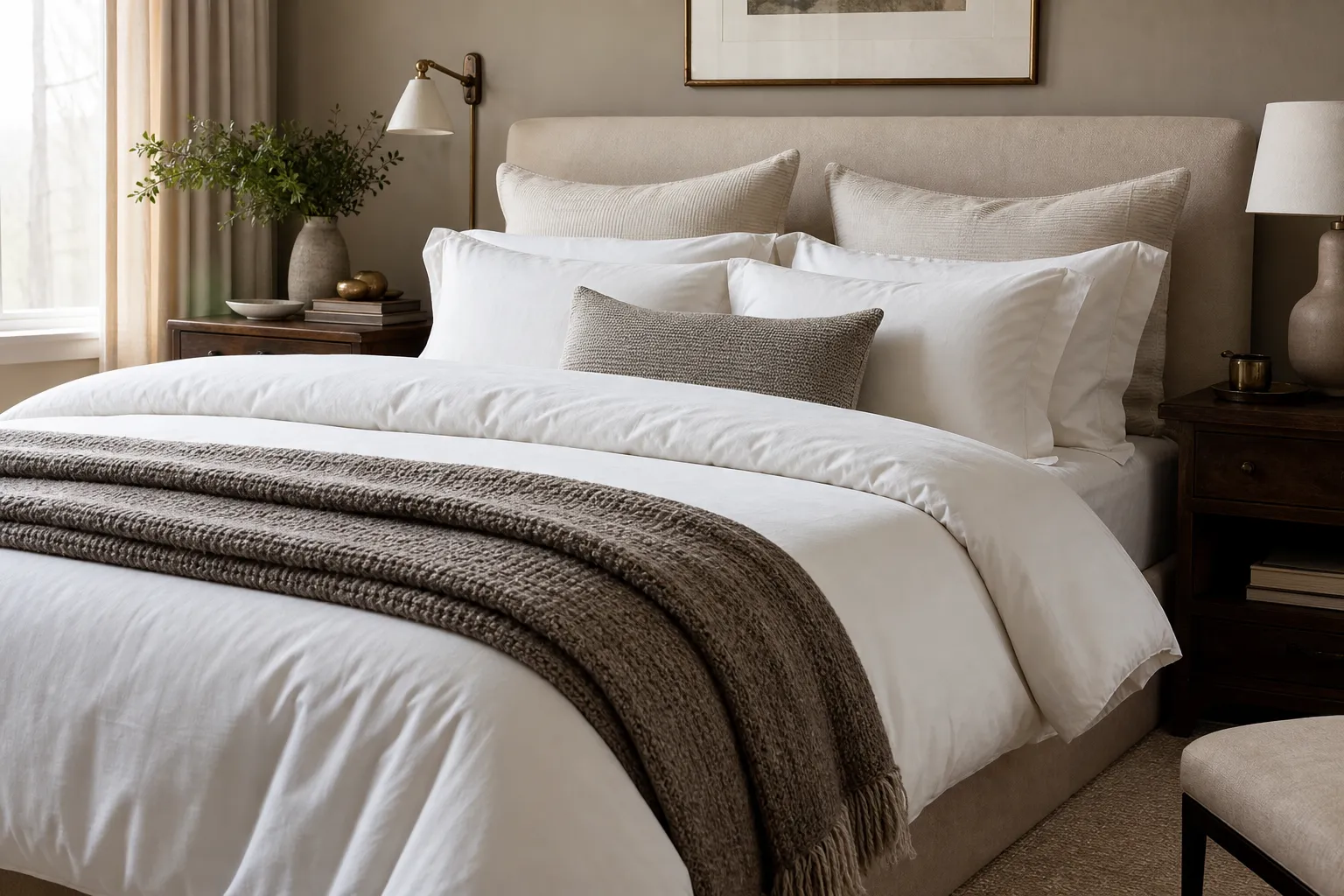
Quick Answer: What’s the Difference?
The simplest difference between a duvet and a blanket is this:
A duvet is a soft insert filled with down, wool, silk, or synthetic material, usually used inside a removable duvet cover.
A blanket is a single-layer cover made from woven or knit fabric, such as cotton, fleece, wool, or cashmere.
A duvet is typically fluffier, warmer, and more like the main event on the bed. A blanket is flatter, lighter, and often used for layering or flexible temperature control.
If you want a bed that feels plush, hotel-like, and cocooning, a duvet usually wins. If you prefer adjustable layers, lighter coverage, or a casual throw-on option, a blanket may suit you better.
Duvet vs Blanket at a Glance
Feature |
Duvet |
Blanket |
|---|---|---|
Structure |
Filled insert plus cover |
Single fabric layer |
Warmth |
Usually warmer and more insulating |
Usually lighter and more breathable |
Loft |
Fluffy and voluminous |
Flat or lightly textured |
Layering |
Often used as the main top layer |
Great as an extra or standalone layer |
Maintenance |
Cover is easy to wash; insert less often |
Entire blanket usually washed together |
Style |
Clean, polished, luxury bed look |
Relaxed, versatile, decorative |
Seasonal Use |
Best for cool nights or all-season comfort depending on fill |
Excellent for warm weather or layering year-round |
What Is a Duvet?
A duvet is a filled bedding insert designed to provide warmth with minimal weight. Think of it as a soft, insulated layer that sits on top of your sheets and is usually protected by a removable duvet cover.
Common duvet fills include:
Goose down
Down alternative
Silk
Wool
Cooling performance fibers
TENCEL™ or other moisture-managing blends
The outer shell is often made from breathable fabrics like cotton, organic cotton, or linen. At Warmy & Tummy, duvets and comforters are chosen not just for warmth, but for how they regulate temperature, feel against skin, and support deeper sleep across seasons.
Why people love duvets
A duvet tends to feel:
More luxurious
More uniform in warmth
Less fussy than layering multiple covers
Easier to style for an elevated bedroom look
Because the cover can be removed and washed, duvets also appeal to shoppers who want a cleaner, more practical sleep setup without sacrificing comfort.
What Is a Blanket?
A blanket is a single-layer bed covering made from one continuous material or weave. Unlike a duvet, it does not contain an inner fill insert. Its warmth depends mostly on the fiber, thickness, and construction.
Common blanket materials include:
Cotton
Fleece
Merino wool
Cashmere
Acrylic
Linen blends
Blankets can be used in many ways: on their own in summer, over sheets in mild weather, folded at the foot of the bed, or layered over a duvet for extra coziness.
Why people love blankets
A blanket tends to feel:
Lighter and simpler
Easier to grab and use casually
Better for hot sleepers
Ideal for layering and seasonal flexibility
For many families, blankets are the most versatile bedding piece in the home because they move easily from bed to sofa to guest room.
The Real Difference Between a Duvet and a Blanket
The core difference between a duvet and a blanket comes down to five things: construction, warmth, weight, maintenance, and styling.
1. Construction
A duvet has two parts: the insert and the cover. The insert provides the insulation, while the cover protects it and adds style.
A blanket is just one piece. There’s no insert, no separate shell, and no need to assemble anything.
2. Warmth
Duvets usually trap more warmth because the fill creates air pockets that insulate your body. That’s why they feel puffier and warmer without always feeling heavy.
Blankets rely on fabric density rather than fill. They can still be warm, especially in wool or cashmere, but they usually don’t create the same lofty cocooning effect.
3. Weight and feel
Duvets often feel plush and enveloping. Blankets feel more direct and streamlined. Some sleepers love that airy, cloud-like drape of a duvet, while others prefer the lighter contact of a blanket.
4. Care and upkeep
Duvets are typically easier to maintain than people expect because you usually wash the cover more often than the insert.
Blankets are straightforward, but the whole piece gets used and washed as one unit. Depending on material, that may mean more frequent laundering and faster wear.
5. Bedroom aesthetic
A duvet creates a fuller, more finished bed. Blankets create a layered, lived-in, and adaptable look. Neither is wrong; it depends on the atmosphere you want in your bedroom.
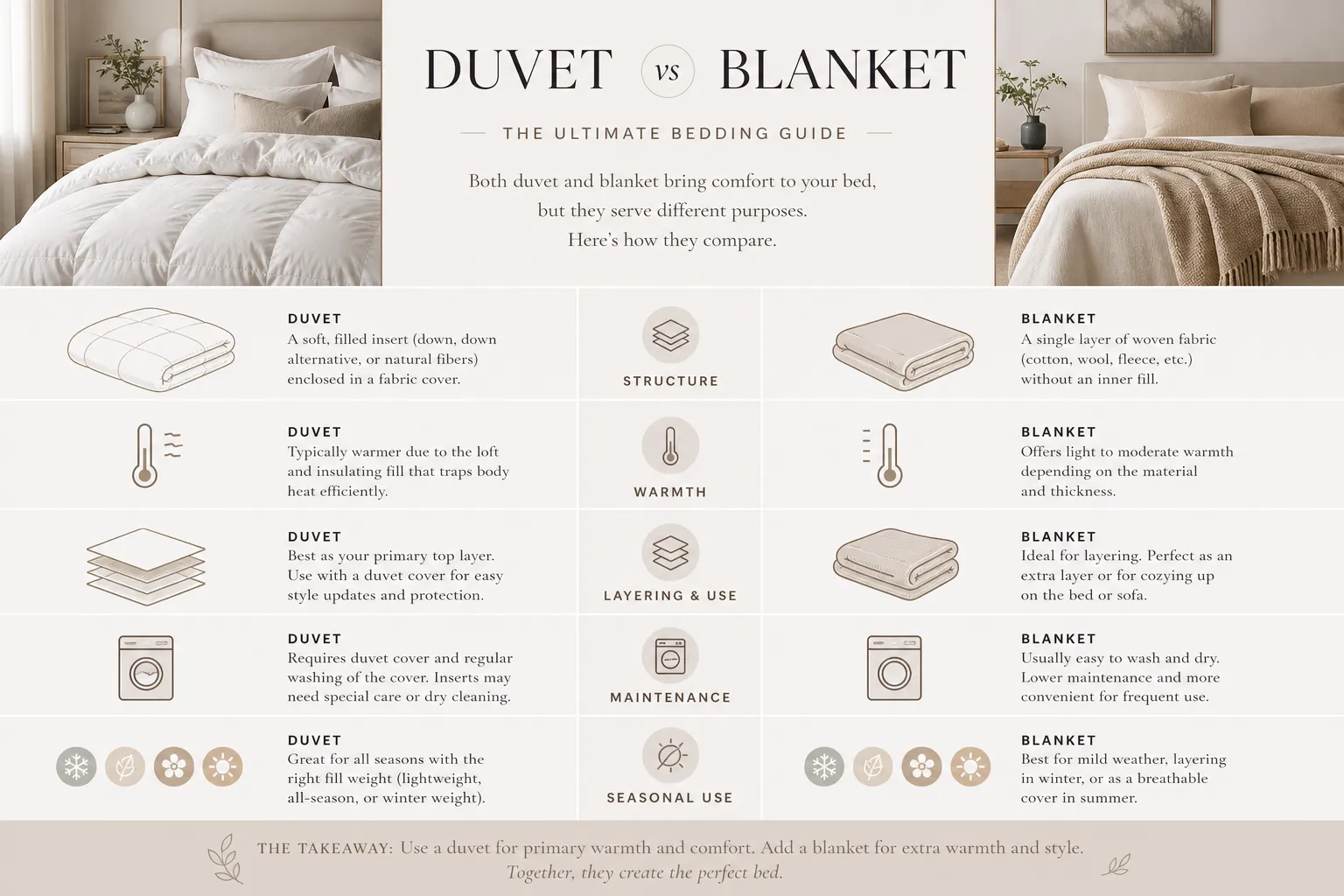
Which Is Warmer: Duvet or Blanket?
In most cases, a duvet is warmer than a blanket.
That’s because the fill inside a duvet traps insulating air more effectively than a flat-woven or knit blanket. This makes duvets especially appealing in colder bedrooms, winter months, or homes where people prefer that wrapped-up, tucked-in feeling.
That said, not all duvets are equally warm. Warmth depends on:
Fill type
Fill weight
Shell material
Construction
Whether it’s all-season, lightweight, or winter weight
Similarly, not all blankets are cool. A dense merino wool blanket can feel remarkably warm, while a lightweight cotton blanket may be better for summer.
"Sleep efficiency and deep sleep proportion were highest when the indoor air temperature and bedding system were adjusted to achieve thermal neutrality." - Building and Environment
This matters because the best bedding is not simply the warmest. It’s the one that helps your body stay comfortably balanced through the night.
Which Is Better for Summer?
For hot sleepers or warm climates, blankets often have the edge.
A breathable cotton, linen, or cooling blanket gives you lighter coverage and easier temperature control. You can throw it on, peel it back, or layer it with a sheet without feeling trapped.
Still, summer doesn’t automatically rule out duvets. Many premium lightweight duvets are designed specifically for warmer weather, using breathable shells and temperature-regulating fills like silk, wool, or cooling performance blends. At Warmy & Tummy, this is where material really matters. A well-made lightweight comforter can feel airy and elegant rather than stifling.
Best summer choices
Sleeper Type |
Better Option |
|---|---|
Very hot sleeper |
Lightweight blanket |
Wants a little fluff without overheating |
Lightweight duvet |
Uses air conditioning nightly |
All-season duvet or blanket + sheet |
Likes flexible layering |
Blanket |
Which Is Better for Winter?
For winter, duvets usually perform better.
They hold warmth more consistently, reduce cold spots, and create a more insulating sleep environment. If you live in a colder region or wake up chilly at night, a high-quality duvet is often the more satisfying choice.
For maximum comfort, many people use both:
Sheets
Duvet
Blanket layered on top or folded nearby
That combination gives you beauty, insulation, and adjustability.
Duvet vs Blanket for Layering
Blankets are the layering champions.
They’re easy to fold, drape, and remove without disturbing the rest of the bed. A blanket can sit:
Between sheet and duvet
On top of a duvet
At the foot of the bed
On one side of the bed for a partner with different sleep preferences
This is especially useful for couples. One partner may want deep warmth, while the other sleeps hot. A duvet plus a separate blanket offers more customizable comfort than either piece alone.
At Warmy & Tummy, we love this approach because bedding should fit real life. Sleep is personal, and mix-and-match comfort solutions often create the happiest bedrooms.
Which Is Easier to Wash?
This depends on the exact product, but in many households, a duvet with a removable cover is more practical than it sounds.
Duvet cleaning
Wash the duvet cover regularly
Wash the insert less often
Spot clean between deep cleans if needed
Blanket cleaning
Wash the whole blanket when it needs refreshing
Simpler setup, but more direct wear on the item itself
For allergy-conscious homes, removable covers are a big advantage.
"Wash bedding weekly in hot water at least 130°F (54.4°C) to kill dust mites and remove allergens." - Mayo Clinic
That’s one reason so many shoppers choose duvet systems for everyday beds. It’s easier to keep the part closest to daily use fresh without constantly laundering the entire insulated piece.
What About Sleep Hygiene and Allergies?
This is one of the biggest content gaps in most basic bedding comparisons. The difference between a duvet and a blanket isn’t only about warmth or style. It also affects cleanliness, allergen exposure, and long-term comfort.
A duvet with a washable cover can make routine sleep hygiene easier, especially for:
Allergy sufferers
Families with kids
Pet owners
People who snack, lounge, or read in bed
Anyone who sweats at night
Meanwhile, natural-fiber blankets such as merino wool can also be excellent choices for breathability and moisture control. The best option depends on how you sleep, how often you wash bedding, and which materials feel best against your skin.
If you’re sensitive, prioritize:
OEKO-TEX® certified fabrics
Organic cotton shells
Breathable natural fibers
Hypoallergenic fill options
Easy-care covers you’ll actually wash regularly
Best Materials for Duvets and Blankets
Material changes everything. Two duvets can feel completely different, and the same goes for blankets.
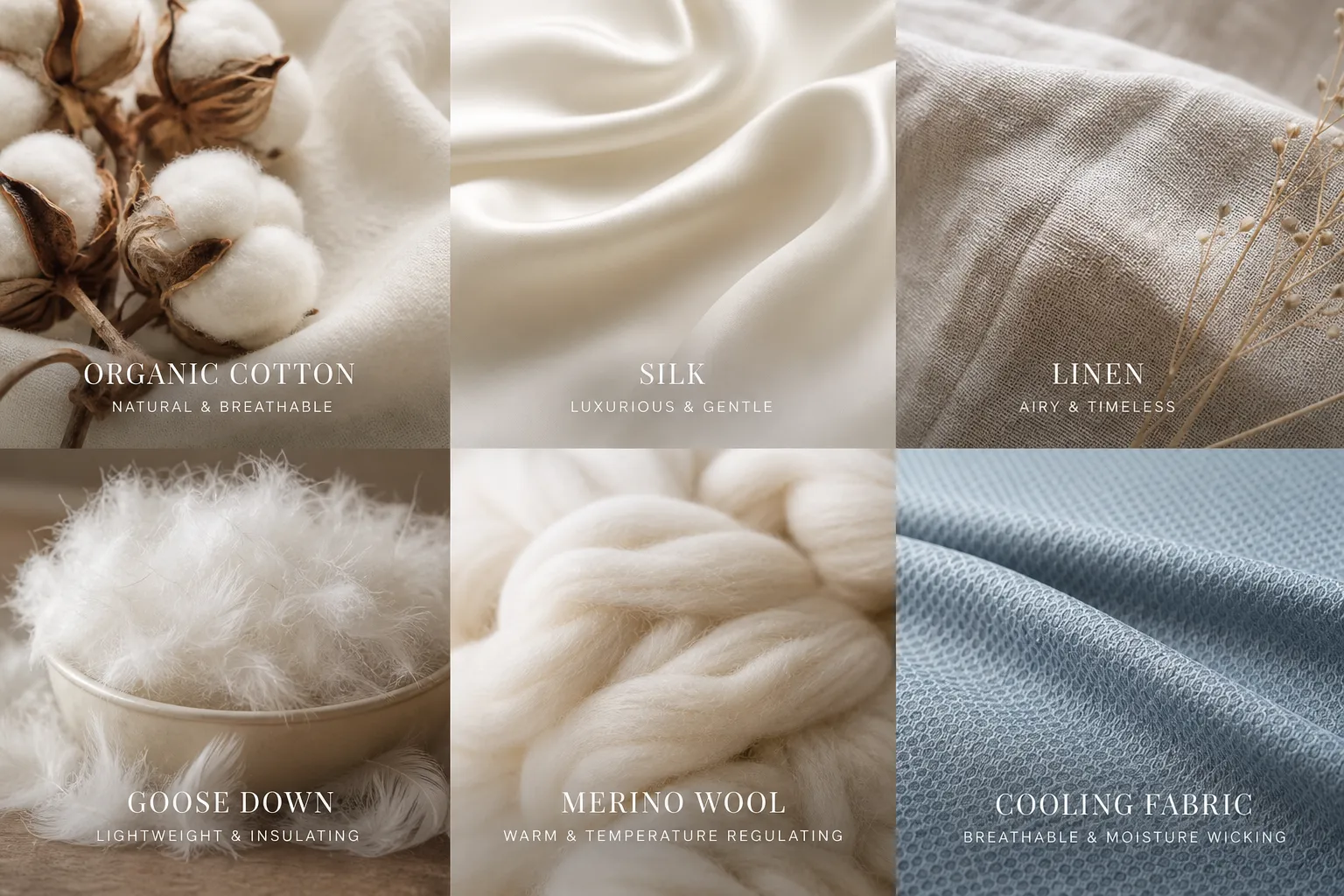
Premium duvet materials
Material |
Best For |
Feel |
|---|---|---|
Goose down |
Loft, warmth, luxury |
Cloud-like and insulating |
Silk |
Temperature balance, elegance |
Smooth and refined |
Organic cotton shell |
Breathability, softness |
Crisp to soft depending on weave |
European linen shell |
Airflow and relaxed luxury |
Textured and breathable |
Cooling performance blends |
Hot sleepers |
Fresh and moisture-managing |
Wool fill |
Balanced warmth and moisture control |
Cozy but breathable |
Premium blanket materials
Material |
Best For |
Feel |
|---|---|---|
Merino wool |
Warmth without bulk |
Soft and regulating |
Cashmere |
Indulgent softness |
Ultra-luxe and light |
Cotton |
Everyday breathability |
Fresh and easy |
Linen |
Warm climates |
Airy and lightly textured |
Fleece |
Budget warmth |
Plush and casual |
Warmy & Tummy specializes in bedding materials chosen for both beauty and performance. From organic cotton and deluxe silk to European linen, goose down, merino wool, and cooling fabrics, the goal is always the same: deeper, more restful sleep.
Who Should Choose a Duvet?
A duvet may be the better choice if you:
Want a polished, hotel-style bed
Prefer one main top layer
Sleep cold
Love fluffy, cocooning comfort
Want interchangeable duvet covers for easy style changes
Care about easier day-to-day freshness with a washable cover
It’s also ideal for shoppers who want to invest in premium sleep. A thoughtfully made duvet can elevate both sleep quality and bedroom design.
Who Should Choose a Blanket?
A blanket may be the better choice if you:
Sleep hot
Want lightweight coverage
Prefer layering flexibility
Like a casual or textured look
Need something easy to move between rooms
Want a simple extra layer over sheets or under a duvet
Blankets are also perfect for transitional seasons, guest rooms, reading nooks, and shared homes where comfort needs vary.
The Best Option for Couples
If you share a bed, the real answer is often: both.
One of the most overlooked differences between duvet and blanket setups is how well they handle different body temperatures. A duvet gives the bed a cohesive foundation, while a separate blanket lets one partner add warmth without overheating the other.
This is where Warmy & Tummy’s mix-and-match approach shines. Personalized bedding choices, different warmth levels, premium shells, and thoughtful layering help couples build a bed that actually works for both sleepers.
How to Choose the Right One for Your Bedroom
Here’s a simple decision guide:
If you want... |
Choose... |
|---|---|
Maximum warmth and loft |
Duvet |
Lightweight, breathable coverage |
Blanket |
A luxury, styled bed |
Duvet |
Flexible layering |
Blanket |
Easy seasonal swaps with covers |
Duvet |
A versatile extra layer |
Blanket |
Best of both worlds |
Duvet + blanket |
A Better Bedding Strategy: Use Both Intentionally
The most comfortable bedrooms are rarely built around a single piece.
Instead of thinking duvet vs blanket as a strict either-or decision, think in layers:
Base: breathable sheets
Main warmth layer: duvet or comforter
Flexible top layer: blanket
Style layer: folded throw or textured blanket
This gives you comfort, control, and a richer visual look. It also helps you adapt from season to season without replacing your entire bedding setup.
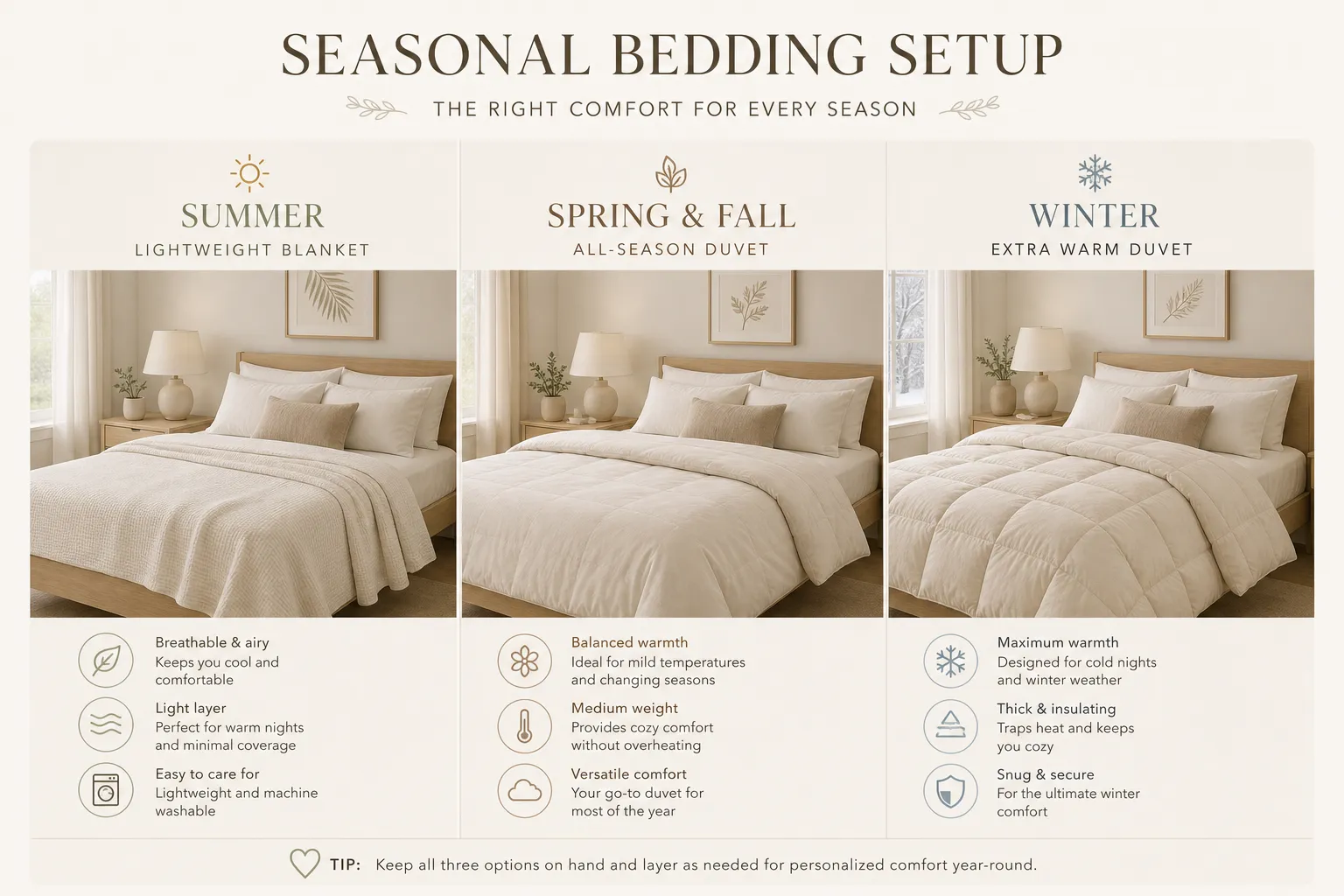
Why Premium Bedding Makes the Difference
A cheap duvet can feel clumpy. A cheap blanket can feel scratchy, sweaty, or flat after a few washes. The piece itself matters less than the quality behind it.
That’s why Warmy & Tummy focuses on:
Premium bedding designed for deeper, more restful sleep
A wide range of comforters for different seasons and warmth preferences
High-quality materials including organic cotton, silk, linen, goose down, merino wool, and cooling fabrics
Customizable mix-and-match comforter options
Eco-friendly and sustainable choices
Stylish luxury designs and limited-edition collections
Free shipping in the USA on qualifying orders
Fast customer service via email and chat
A 30-day hassle-free return and money-back guarantee
A 3-year limited warranty backed by long industry experience
This matters because bedding is not just décor. It’s part of your sleep environment, and your sleep environment shapes how rested, calm, and restored you feel every morning.
Final Verdict
So, what is the difference between a duvet and a blanket?
A duvet is a filled, loftier, usually warmer bedding layer designed to serve as the main source of comfort on the bed. A blanket is a lighter, single-layer cover that offers flexibility, breathability, and easy layering.
If you want a cleaner, more luxurious, more insulated sleep setup, choose a duvet. If you want lighter coverage and adaptable layering, choose a blanket. If you want the most comfortable, beautiful, and practical bed possible, choose both with intention.
Warmy & Tummy makes that decision easier with premium comforters, refined blankets, luxury materials, and customizable options designed to support the way you actually sleep. If you’re ready to upgrade your bed into a place that feels calmer, softer, and more restorative night after night, this is the moment to start.
FAQ
Why use duvet instead of blanket?
A duvet is usually warmer, fluffier, and more polished-looking than a blanket. It also works well as the main top layer on the bed, and the removable cover makes everyday care easier.
Are blankets or duvets better?
Neither is universally better; it depends on how you sleep. Duvets are better for loft, warmth, and a luxury bed feel, while blankets are better for lightweight comfort and flexible layering.
Can you use a blanket as a duvet?
You can use a blanket in place of a duvet for light coverage, especially in warm weather, but it won’t feel the same. A duvet has a filled structure that provides more insulation and a fuller, cocooning feel.
Why do Americans use comforters instead of duvets?
Many Americans grew up with comforters because they’re simple, all-in-one bedding pieces that don’t require a separate cover. Duvets are becoming more popular, though, because they offer easier style changes and better cover-based maintenance.
Is it better to sleep with a blanket or duvet?
It’s better to sleep with whichever helps you maintain a comfortable temperature all night. Hot sleepers often prefer blankets, while cold sleepers usually prefer the insulation and softness of a duvet.