
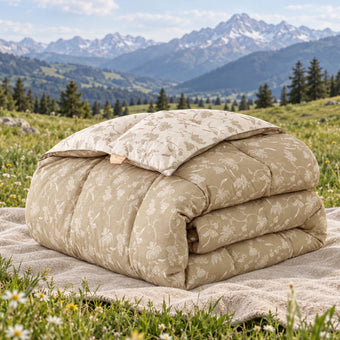


Guests arriving tomorrow and the bed still looks like a heap of clean laundry? You can get the feel of hotel quality bedding at home with white or neutral sheets, a fluffy down insert in a duvet cover, and pillows that look good and feel good. Smooth one layer before you put on the next.
If hospital corners have always looked fiddly, watch the fold before you try it:
The hotel quality bedding formula
The look comes from smooth sheets, a full duvet, and pillows propped against the headboard. White and pale neutrals show off the folds; you can leave the tower of decorative cushions at the store.

For a bed shared by two people, use a fitted sheet, a flat top sheet, a covered duvet insert, two sleeping pillows per person, and shams behind or in front. That's four sleeping pillows in all. On a smaller bed, or for guests who prefer fewer pillows, scale the arrangement down.
Layer |
What to use |
Why it matters |
|---|---|---|
Sheets |
White or neutral cotton sateen for a smooth finish |
A quiet base makes the folds and textures visible |
Warmth |
A down insert inside a duvet cover |
The insert gives the bed its loft; the cover gives it a clean surface |
Pillows |
Two sleeping pillows plus shams per person |
Guests can choose support; shams add shape when the bed is made |
Finish |
Top sheet folded back over the duvet at the head |
A crisp border frames the duvet |
Choose hotel style sheets you actually like sleeping in
White or soft neutral sateen sheets have that smooth hotel look. The fitted sheet needs to stay put on your mattress; the flat one needs enough fabric at the sides and foot to tuck in without pulling it taut.
Sateen feels smooth and drapes with a soft sheen; percale feels drier and crisper. If you tend to sleep warm and like that fresh-sheet snap, try percale. Rather than chasing an extreme thread count, choose the weave you want against your skin.
"Weave also plays a role in how sheets feel: percale is crisp and cool, while sateen is silky and lustrous." - CottonWorks
Wash the sheets before your guests arrive and take them out of the dryer before creases set. Smooth the flat sheet with your palms as you lay it down. Want a sharper border? Press the exposed fold instead of ironing every inch.
Fit matters more than a lofty thread-count number
Measure the mattress with its topper in place before buying a fitted sheet. Pockets that are too shallow slip off overnight, while a narrow flat sheet leaves you too little fabric for hospital corners. That sizing headache is best dealt with before guests are on their way.
Ivory or pale stone looks lovely with a white duvet cover. A fine stripe or narrow border shows at the sheet cuff when you fold it back. With the large surfaces kept plain, even a holiday blanket at the foot gets room to shine.
Add a lofty duvet and pillows
The duvet covers most of the bed, so let it look full. Slip a down comforter or duvet insert into a white, cream, or pale cover, and choose the warmth for the sleeper and the room. A guest who runs hot won't thank you for the thickest insert.
Turn the cover inside out and put your hands into its top corners. Grab the insert's matching corners through the fabric, shake the cover down around it, and close the opening. If both pieces have corner ties, use them before you spread the duvet out.
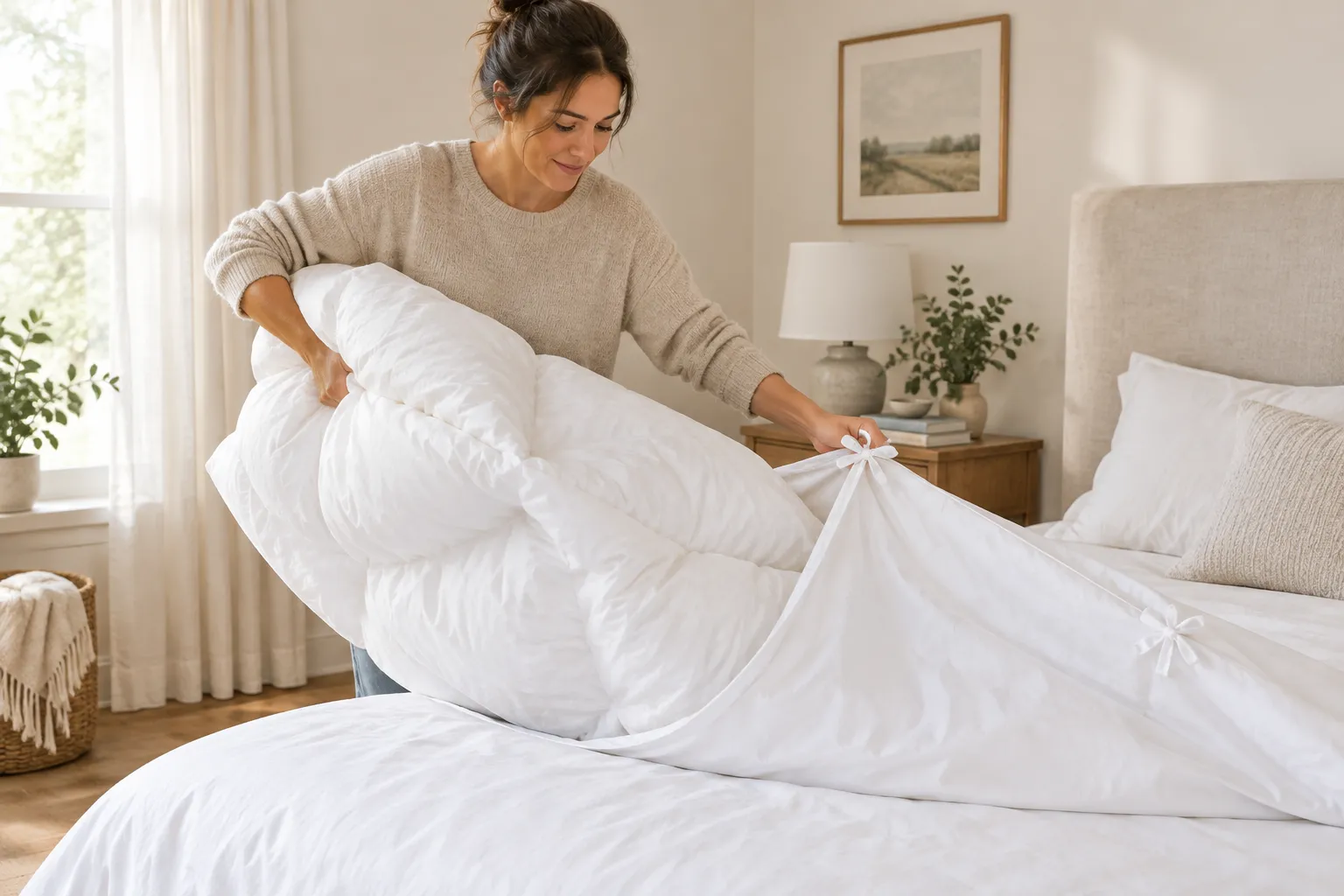
To fluff the comforter, hold its upper corners and shake it a few times to spread the fill through the baffles. Lay it flat, pat thin areas toward the edges, and let it air before folding it into place. Keep your grip on the corners instead of tugging at the seams.
Choose the warmth before you choose the look
A puffy duvet doesn't have to be a sweltering one. Use a lighter insert and leave a spare blanket in a warm guest room; in a chilly room, a warmer insert gives guests something they can fold back if needed.
Choose a cover that fits the insert closely enough to fill its corners. Extra fabric droops at the edges, even after you fluff the fill. A well-fitting cover can tidy up the insert you already own before the holidays.
Stand the shams against the headboard with the sleeping pillows in front, where guests can grab them. If you prefer a softer look, put the shams in front instead. Leave enough room so no one has to clear a mound of cushions at bedtime.
Make the bed, step by step
Start at the mattress and work upward. Once the fitted sheet is smooth, tuck the flat sheet, fold it over the duvet, and add the pillows. A straight cuff and even duvet edges will make the bed look tidy, even with a few creases.
Tuck the foot, then fold the head
Fit the base sheet. Pull each corner fully over the mattress. Run your hands across the surface to flatten wrinkles rather than stretching one side out of alignment.
Lay on the top sheet. Center the flat sheet with its finished side facing down so the decorative or smooth face shows when you fold it back. Leave enough length at the foot to tuck it in.
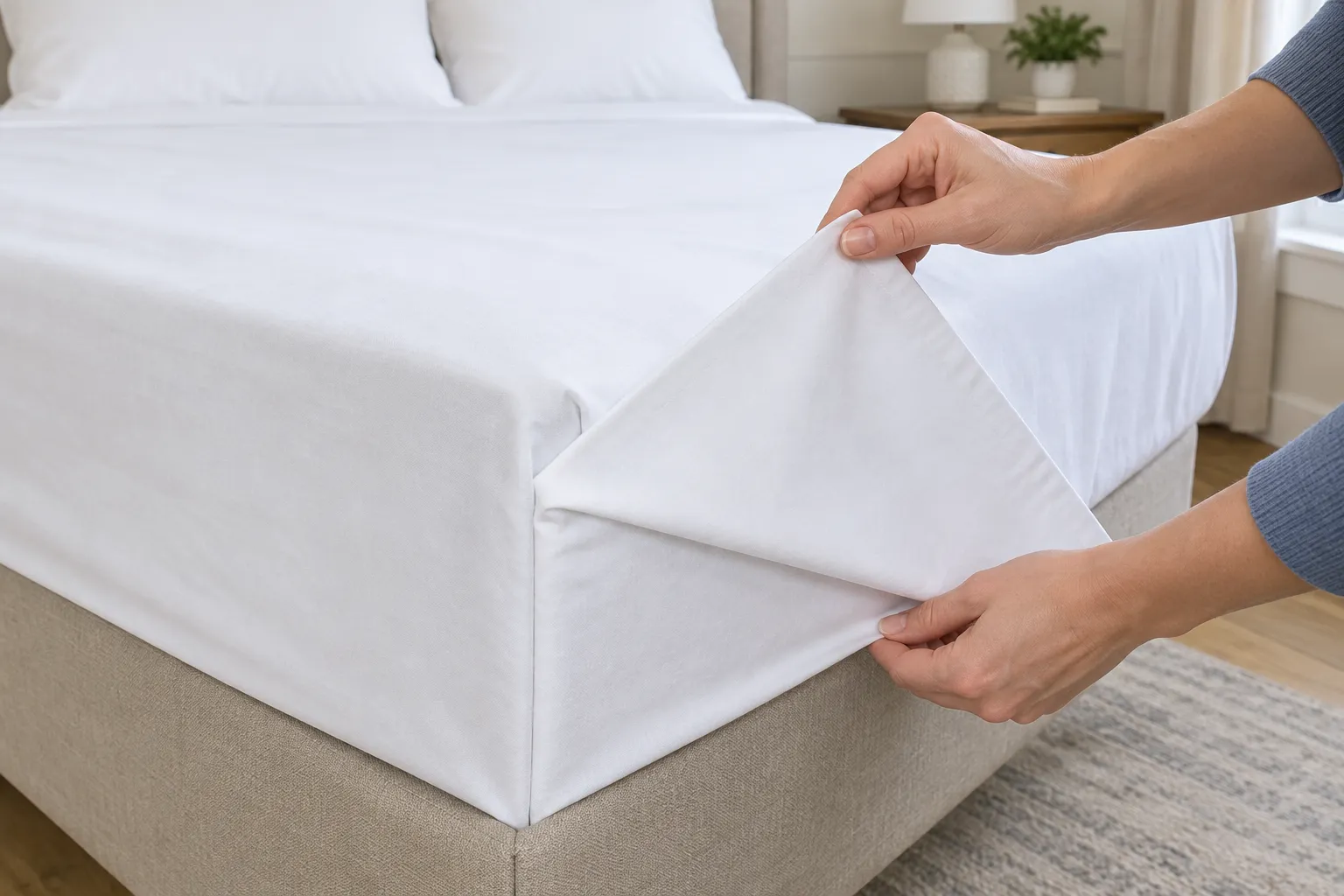
Make hospital corners at the foot. Tuck the bottom edge beneath the mattress. At one lower corner, lift the loose side of the sheet up onto the mattress to form a diagonal fold. Tuck the fabric hanging below that fold under the mattress, then bring the lifted flap down and tuck it under too. Repeat on the other side; leave the upper sides untucked if you like more freedom around your legs.
Spread the covered duvet. Center it from side to side, then pull it down a little from the head of the mattress. Shake once more from the top edge if it looks flat.
Fold the top sheet back. Pull the sheet's upper edge over the top of the duvet to create a broad, even cuff. Smooth the cuff from the middle toward each side so the line stays straight.
Stack the pillows. Put sleeping pillows and shams at the head of the bed. Stand them upright for a formal hotel look, or lean them back if that's more inviting in your room.
Put your mattress protector on before the fitted sheet, and smooth out any bunching underneath. Otherwise you'll be trying to flatten a wrinkle you can't reach.
Give the top sheet some slack so your guests don't feel pinned in. Hospital corners hold it at the foot, while looser sides make getting into bed easier. If the cuff shifts during the day, you only need to straighten that part.
Keep it guest-ready through the holidays
For holiday guests, a textured blanket across the foot brings in color and gives them another layer if they're cold. Keep their sleeping layers comfortable underneath it, and leave a spot where they can set the blanket aside.
Leave spare bedding within reach and tell guests where to find it. If the room runs warm, a lighter insert plus a separate blanket lets them adjust the warmth without remaking the bed. Before they arrive, shake out the duvet, straighten the cuff, and prop up the pillows.
A bed you'll want to get into
Choose sheets and a duvet you'll enjoy every night, then practice the hospital corners and folded cuff. Extra cushions can wait. For a holiday refresh, Warmy & Tummy offers comforters and duvet covers you can choose around your preferred warmth, so you'll still love the bed after the guests go home.
FAQ
What type of bedding do luxury hotels use?
Hotel-style beds commonly pair smooth white or neutral sheets with a covered duvet insert and layered pillows. At home, use a fitted sheet for convenience, a flat top sheet for the folded cuff, and a duvet suited to your room's temperature.
What is the best bedding for hotels?
There isn't one best fabric for every sleeper. Cotton sateen gives a smooth drape, while cotton percale has a crisper feel; choose the weave and duvet warmth that make the bed comfortable as well as tidy.
Where can I buy hotel quality bedding?
Look for sheet sets, a down insert, a removable duvet cover, and pillows that suit the sleepers rather than relying on a single matching bundle. Warmy & Tummy offers comforters and covers if you want to choose a top layer by material and warmth.