

Difference Between Comforter and Blanket Explained
If you have ever stood in front of your bed wondering whether you need a comforter, a blanket, or both, you are not alone. The difference between comforter and blanket can feel surprisingly confusing when all you really want is a bed that looks beautiful, feels cozy, and helps you sleep deeply.
For most households, the right choice comes down to a few practical things: warmth, weight, layering, season, cleaning, and personal sleep style. Some sleepers love the lofty, cloud-like feel of a comforter. Others prefer the lighter flexibility of a blanket they can easily fold, layer, or toss over the sofa.
At Warmy & Tummy, we believe better sleep starts with bedding that fits your life - not just your bed frame. Whether you sleep cool, run warm, share a bed with a partner, or want a more polished bedroom look, understanding the difference between a comforter and a blanket makes choosing much easier.
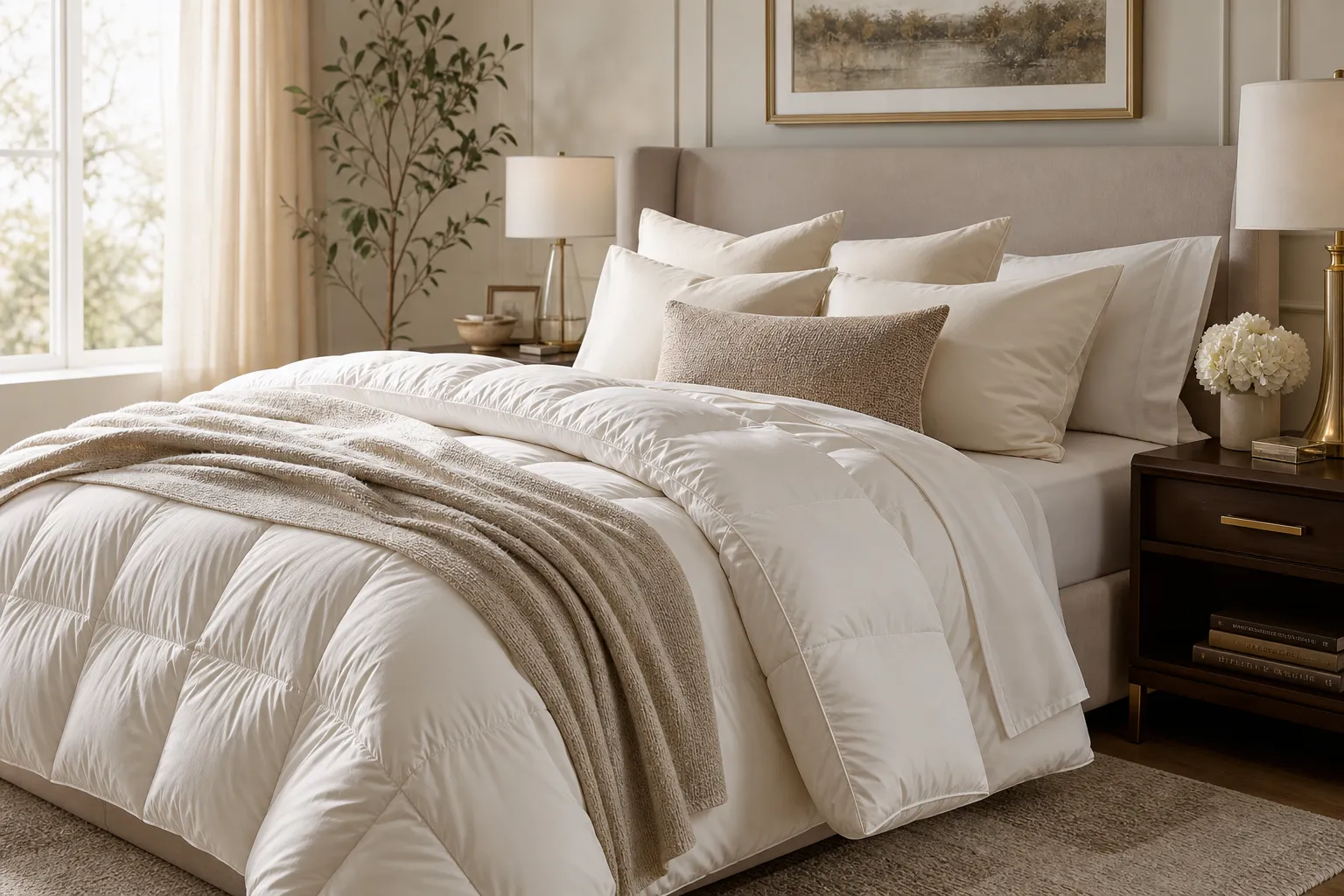
Quick Answer: What’s the Difference?
The simplest way to understand the difference between a comforter and a blanket is this:
A comforter is usually thicker, loftier, and filled with insulating material.
A blanket is usually flatter, lighter, and made from a single layer or lightly layered fabric.
A comforter is often the main top layer on a bed. A blanket is more flexible - it can be the main cover in mild weather or an extra layer when it gets colder.
Comforter vs Blanket at a Glance
Feature |
Comforter |
Blanket |
|---|---|---|
Construction |
Filled and quilted |
Usually single-layer or lightly layered |
Warmth |
Medium to high |
Light to medium |
Weight |
Usually heavier |
Usually lighter |
Loft |
Fluffy and elevated |
Flat or softly draped |
Best For |
Cold sleepers, winter, AC rooms |
Warm sleepers, layering, year-round use |
Style |
Luxurious, fuller bed look |
Casual, versatile, minimalist or textured |
Care |
May need large washer or special care |
Easier to wash and store |
Customization |
Fill, shell, warmth level can vary |
Material and weave vary most |
What Is a Comforter?
A comforter is a filled bed covering designed to provide warmth and a plush feel. It usually has two outer fabric layers with insulation inside, stitched to keep the filling evenly distributed.
Common comforter fills include:
Goose down
Down alternative
Merino wool
Silk
Cotton blends
Cooling performance fibers
Because comforters hold insulating fill, they create that signature lofty, cocooning feel many people associate with a luxury hotel bed.
At Warmy & Tummy, this is where comfort really becomes personal. Some sleepers want an airy organic cotton shell with goose down for winter warmth. Others prefer silk, linen, or cooling Tencel-blend comforters for a cleaner, lighter sleep feel. The best comforter is not one-size-fits-all - it is the one matched to your body temperature, bedroom climate, and preferred weight.
What Is a Blanket?
A blanket is a lighter covering, usually made from woven, knitted, or fleece-like fabric. It may be breathable and airy or dense and warm, depending on the material.
Common blanket materials include:
Cotton
Linen
Wool
Merino wool
Cashmere
Fleece
Acrylic blends
Blankets are prized for their versatility. You can use one as your main cover in warmer months, fold it at the foot of the bed for styling, add it over a comforter for extra warmth, or drape it over a chair or sofa.
In other words, a blanket is often more adaptable day to day, while a comforter is more focused on creating a complete sleep layer.
The Biggest Differences That Actually Matter
Many competitor articles explain construction, but they often miss the real buying question: how will each option feel in your everyday sleep routine? That is what matters most.
1. Warmth Level
Comforters are typically warmer because they trap more air within their fill. That trapped air acts as insulation, helping your body stay warm through the night.
Blankets can be warm too - especially wool or layered options - but on their own, they usually provide less insulation than a comforter.
If you:
wake up cold,
keep your thermostat low,
sleep with strong air conditioning,
or want a cozy winter bed,
a comforter usually makes more sense.
2. Weight and Feel
A comforter has more body and puff. It feels enveloping and substantial, even when made with lightweight premium materials.
A blanket feels simpler and more direct against the body. Some people love that freedom, especially if they dislike bulk or tend to toss and turn.
This is one of the most overlooked parts of the difference between a comforter and a blanket: it is not just warmth - it is sensory preference.
3. Layering Flexibility
Blankets are easier to layer. You can combine them with sheets, quilts, or even another blanket to fine-tune your comfort.
Comforters are more of an all-in-one sleep layer. You can still layer with them, but they already do most of the insulating work.
4. Bedroom Aesthetic
Comforters usually create a more finished, elevated bed. They add fullness, softness, and that plush designer look many people want in a primary bedroom.
Blankets can also be beautiful, especially in wool, merino, cashmere, or textured weaves, but they tend to look more understated unless styled intentionally.
5. Cleaning and Maintenance
Blankets are usually easier to wash, dry, fold, and store. Comforters take up more space and may need special care depending on fill and shell fabric.
That said, premium comforters often last beautifully when cared for properly - and when quality matters, longevity becomes part of the value.
Why Your Sleep Environment Makes This Decision More Important
A lot of people choose bedding based only on appearance, but your sleep environment should lead the decision.
"A study published in the journal Sleep found that high ambient temperatures are associated with substantial sleep loss." - Sleep
That matters because the wrong bedding can make a comfortable room feel too hot or too cold. If you tend to overheat at night, a heavy comforter may work against you unless it is made with breathable, cooling materials. If you sleep chilly, a thin blanket may leave you waking up uncomfortable.
This is why Warmy & Tummy offers a wider range of premium comforters for different seasons and warmth preferences, including breathable organic cotton, silk, linen, goose down, merino wool, and cooling performance fabrics. The right material can completely change how a comforter feels.
Comforter vs Blanket by Season
Summer
For summer, many sleepers prefer:
lightweight blankets,
breathable cotton layers,
linen or cooling fabrics,
or a summer-weight comforter.
If you run warm, a blanket is often the better everyday choice. If you love the look of a comforter year-round, choose one specifically designed for cooling airflow and lower warmth.
Fall and Spring
This is where blankets shine. Transitional weather is all about flexibility. A blanket lets you add or remove layers more easily as temperatures shift from week to week.
A lightweight or all-season comforter can also work beautifully here, especially for couples who want one polished sleep layer instead of constant re-styling.
Winter
Winter is comforter season for many households. A premium comforter with the right fill provides more stable, enveloping warmth than most single blankets.
If you live in a cold climate, pair a comforter with a breathable sheet set and, if needed, a wool or cashmere blanket on top for luxury layering.
Which Is Better for Hot Sleepers?
If you sleep hot, a blanket often sounds like the obvious answer - but not always.
A hot sleeper may still love a comforter if it is made with:
breathable natural shells,
lighter fill power,
moisture-managing fibers,
or cooling fabric blends.
The real question is not “comforter or blanket?” but rather “which material and warmth level suits my sleep temperature?”
At Warmy & Tummy, this is where mix-and-match options make a difference. You can choose a comforter that feels soft and elevated without trapping unnecessary heat, making it easier to get that cozy look without the stuffy feeling.
Which Is Better for Cold Sleepers?
Cold sleepers usually do best with a comforter. The fill helps hold warm air around the body and reduces the need for constantly adding extra layers.
A blanket can still be useful, especially:
as an extra layer on top,
for afternoon lounging,
or for shoulder-season weather.
But if your feet are always cold and you instinctively burrow under bedding, a comforter is usually the stronger long-term choice.
Which Works Better for Couples?
Couples often have different body temperatures, and this is where many articles stop too early. The real challenge is not just choosing between comforter and blanket - it is choosing bedding that works for two different sleepers.
Here are a few smart approaches:
One Shared Comforter
Best if both sleepers like a cohesive, plush bed and have similar warmth preferences.
Comforter + Blanket Layering
Great if one person gets colder. A shared comforter can stay on the bed while one sleeper adds a personal blanket.
Customized Comforter Options
This is where premium bedding brands can offer a real advantage. Warmy & Tummy’s customizable approach helps shoppers choose shells, fills, and warmth levels more intentionally, rather than settling for generic bedding that satisfies no one fully.
Which Is More Luxurious?
If your goal is a more elevated bedroom, comforters tend to read as more luxurious because of their loft and visual fullness. They instantly make a bed look softer and more inviting.
That said, a beautifully made wool, merino wool, or cashmere blanket can feel incredibly premium too - especially when styled at the foot of the bed or layered over crisp sheets and a duvet.
For a polished, designer-level sleep space, many households ultimately want both:
a comforter for the main sleep layer,
and a blanket for texture, versatility, and seasonal control.
Material Matters More Than Most People Think
The competitor articles covered basic materials, but most gloss over how much material changes performance. This is one of the biggest content gaps - and one of the most important things to understand before buying.
Comforter Materials
Material |
Feel |
Best For |
|---|---|---|
Organic cotton shell |
Breathable, crisp-soft |
Year-round comfort, natural bedding lovers |
Silk |
Smooth, refined, temperature-regulating |
Luxury feel, elegant lightweight warmth |
European linen |
Airy, relaxed, breathable |
Warm sleepers, laid-back luxury bedrooms |
Goose down |
Lofty, insulating, cloud-like |
Cold sleepers, winter warmth |
Merino wool fill |
Cozy, breathable, moisture-managing |
Balanced warmth without heaviness |
Cooling performance fabrics |
Dry, fresh, temperature-aware |
Hot sleepers and humid climates |
Blanket Materials
Material |
Feel |
Best For |
|---|---|---|
Cotton |
Light, breathable, easy-care |
Everyday and warmer weather |
Wool |
Warm, durable, insulating |
Colder rooms and winter layering |
Merino wool |
Softer, lighter, refined warmth |
Premium layering and temperature balance |
Cashmere |
Exceptionally soft and luxe |
Decorative warmth and indulgence |
Fleece |
Soft, cozy, casual |
Budget warmth and lounge use |
Linen |
Airy, textured, cool feel |
Summer or decorative layering |
What About Allergies and Cleanliness?
Bedding hygiene matters more than many people realize, especially for allergy-prone sleepers.
"Washing all bedding and blankets once a week in hot water (130 to 140 degrees Fahrenheit) effectively kills dust mites." - NIEHS
For people with allergies, the best option is usually one that balances:
washable materials,
breathable construction,
lower allergen retention,
and easy-care covers or outer layers.
Blankets are often easier to wash frequently, which is a practical advantage. But high-quality comforters with hypoallergenic fills and protective covers can also be an excellent choice.
If allergies are a concern, look for:
hypoallergenic down alternative or carefully processed natural fills,
tightly woven shells,
removable covers when applicable,
and materials that do not hold dampness.
Are Comforters Replacing Blankets?
Not really. They serve different purposes.
What has changed is that more shoppers now want bedding that does more than one job:
feel comfortable,
look beautiful,
match the season,
support deeper sleep,
and fit their personal style.
That is why the modern answer is often not “comforter or blanket,” but “which one should be my main sleep layer, and what should I add around it?”
When a Blanket Is the Better Choice
Choose a blanket if you want:
a lighter sleep layer,
easier washing and storage,
a more breathable feel,
simple seasonal flexibility,
or extra styling texture without too much volume.
A blanket is especially practical in guest rooms, warmer climates, minimalist bedrooms, and homes where bedding is washed often.
When a Comforter Is the Better Choice
Choose a comforter if you want:
fuller-body warmth,
a plush and cozy feel,
a more luxurious bed appearance,
better insulation in winter or AC rooms,
or a premium sleep upgrade that feels indulgent night after night.
If comfort is your top priority, a well-made comforter is often the bigger transformation.
The Best Choice for Most Homes: Both
Here is the most honest answer: for many homes, the best setup is not one or the other.
A thoughtful bed often includes:
sheets as the foundation,
a comforter as the main warmth layer,
and a blanket for flexibility, texture, and seasonal adjustment.
This creates a sleep setup that feels adaptable, polished, and inviting. It also means you can keep your bedroom looking luxurious while still responding to real-life temperature changes.
How to Choose the Right One for Your Bedroom
Ask yourself these questions:
Do you run hot or cold?
Hot sleepers may lean blanket or cooling comforter.
Cold sleepers usually prefer a comforter.
Do you want a fluffy bed or a flatter look?
Fluffy, plush, hotel-like: comforter.
Light, clean, understated: blanket.
How often do you wash bedding?
Frequent washing favors blankets.
Less frequent but premium long-term use favors comforters.
Do you need seasonal flexibility?
Blankets layer more easily.
Multiple warmth-level comforters can also solve this elegantly.
Do you care about luxury materials?
If yes, this is where brand quality matters. Warmy & Tummy offers premium bedding designed for deeper, more restful sleep, with options in organic cotton, silk, linen, goose down, merino wool, and cooling fabrics - so you do not have to choose between beauty and performance.
Why Warmy & Tummy Is a Smart Place to Start
If you are shopping after finally understanding the difference between comforter and blanket, the next step is choosing quality you will actually feel every night.
Warmy & Tummy stands out for a few reasons that matter in real life:
premium bedding designed to support deeper sleep,
comforters tailored for different seasons and warmth preferences,
eco-friendly and sustainable material options,
customizable mix-and-match comforter choices,
stylish luxury designs and limited-edition collections,
free shipping in the USA on qualifying orders,
fast customer support via email and chat,
a 30-day hassle-free return and money-back guarantee,
and a 3-year limited warranty backed by long bedding experience.
That combination of comfort, trust, and flexibility makes it easier to buy bedding with confidence - especially if you are upgrading your sleep environment rather than just replacing old linens.
Final Verdict
The difference between a comforter and a blanket comes down to construction, warmth, feel, and function.
Choose a comforter if you want loft, insulation, and a luxurious all-in-one top layer. Choose a blanket if you want lightness, versatility, and easy layering. And if you want the most comfortable, stylish, and adaptable bed possible, consider using both.
For shoppers who want premium materials, seasonal options, and a more personalized path to better sleep, Warmy & Tummy offers a beautifully practical place to begin. From breathable organic cotton and cooling fabrics to plush goose down and elegant wool layers, the right bedding can make your whole bedroom feel softer, calmer, and more restorative.
FAQ
Which is better, a comforter or a blanket?
Neither is universally better - it depends on how you sleep. A comforter is better for plush warmth and a fuller bed look, while a blanket is better for lighter coverage, layering, and warmer sleepers.
What is the best comforter for people with allergies?
The best comforter for allergy-prone sleepers is usually one with a hypoallergenic fill and a tightly woven, breathable shell. Easy-care options and washable outer layers can also help reduce dust mites and allergens over time.
Is the comforter the same as a blanket?
No, a comforter is not the same as a blanket. A comforter is filled and loftier, while a blanket is usually flatter and lighter, making each better suited to different sleep needs.
Are you supposed to use your comforter as a blanket?
Yes, many people use a comforter as their main top layer at night. It essentially functions as a blanket, but with more loft, insulation, and a more polished bedroom look.
Can I use my comforter as a blanket?
Yes, absolutely. A comforter can be used as your everyday blanket if you like a warmer, fluffier, more cocooning feel while you sleep.
Why are people no longer using top sheets?
Some people skip top sheets because they prefer a simpler bed setup and find it easier to manage just a comforter or blanket. Others still like top sheets for added hygiene, layering, and temperature control, so it is mostly a personal preference.