

The clocks go back on November 1, 2026. Will that extra hour leave you rested, or awake before the alarm? If you're looking for the most comfortable sheets material as winter approaches, try cotton sateen for a smooth, cozy feel or brushed cotton flannel if you tend to get cold. Give yourself steady wake times and morning light as well. Sheets can make the night more comfortable; your body clock needs a routine.

What changes when daylight saving time ends?
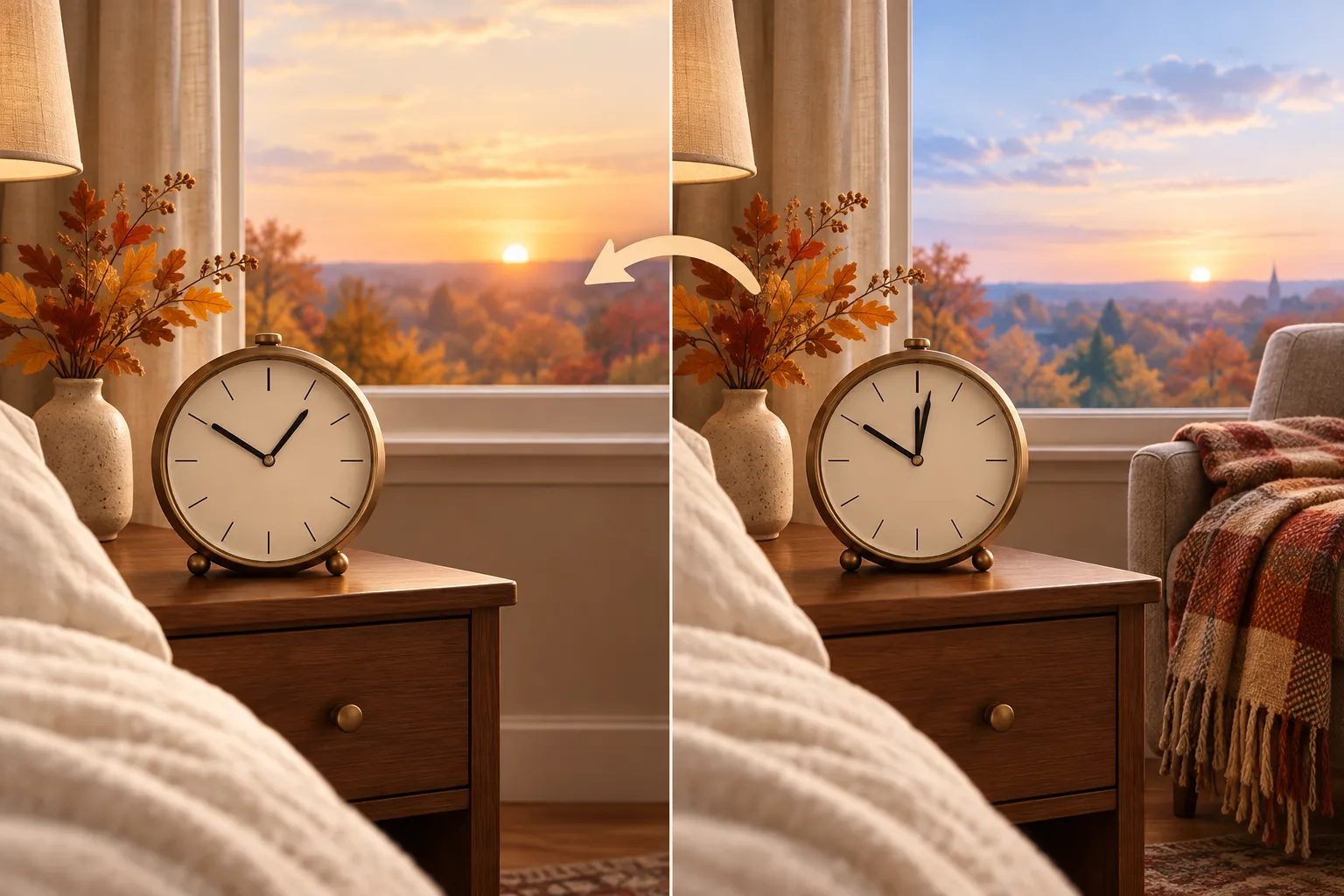
On Sunday, November 1, 2026, clocks in most of the United States move back one hour at 2 a.m. (NIST's daylight saving time schedule). Your body might still wake at its old time, even when the clock says you can sleep longer. And that earlier sunset can make the evening drag.
Once the clocks change, keep your wake time steady and get outside soon after waking. CDC guidance on light and circadian timing explains how bright morning light moves sleep and wake times earlier. Dim bright lights as bedtime approaches, and stick with a wind-down you enjoy. Sleeping far into the next morning may leave you out of step again.
A 7-day adjustment plan for the fall clock change
If you want to keep roughly the same local bedtime after fall-back, move sleep and wake times later in small steps before Sunday. CDC/NIOSH's fall-change advice suggests shifting routines and light exposure later by about 15 to 20 minutes a day, starting a few days ahead. Get your room ready Monday through Wednesday; start moving your schedule Thursday. If you're sleeping well already, there's no need to force a change.
When |
Small change to make |
Why it helps |
|---|---|---|
Monday, Oct. 26 |
Choose the bedtime and wake time you'd like to keep by the new clock. |
Gives you a clear target rather than a surprise on Sunday. |
Tuesday, Oct. 27 |
Note if you wake cold, sweaty or too early; put a removable layer beside the bed. |
Makes winter comfort easier to adjust. |
Wednesday, Oct. 28 |
Set up a dark bedroom and plan a calm bedtime routine. |
Removes distractions before you start shifting your hours. |
Thursday, Oct. 29 |
Move bedtime, wake time and meals about 15 to 20 minutes later. |
Starts to match the later body-clock schedule after fall-back. |
Friday, Oct. 30 |
Shift them another 15 to 20 minutes later if Thursday felt manageable. |
Spreads the change over several evenings. |
Saturday, Oct. 31 |
Shift once more; set clocks that won't update automatically. |
Reduces Sunday-morning guesswork. |
Sunday, Nov. 1 |
Follow your chosen new local schedule and seek daylight after waking. |
Helps anchor the new clock time. |
How should you use light during the change?
If you're shifting later before Sunday, keep light subdued just after waking and spend some time in daylight later in the day. After the switch, seek morning light and hold to a steady wake time. If a later bedtime leaves you staring at the ceiling, stop forcing it. A dark window, sheets you like touching and a removable blanket can still make the first cold nights easier.
What is the most comfortable sheets material for winter?
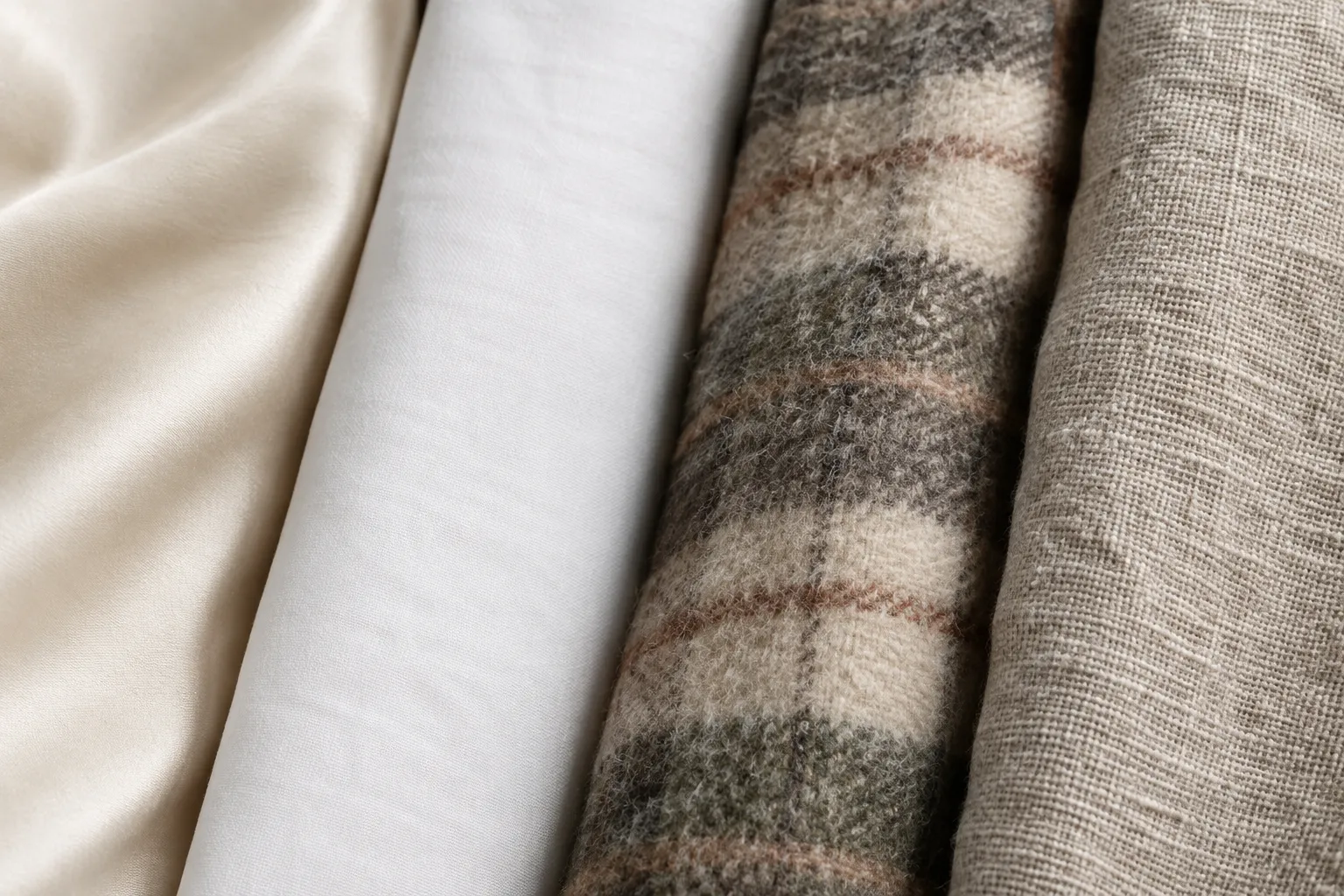
Cotton sateen is a good year-round starting point if you like a smooth sheet with a little more warmth than crisp percale. If your feet freeze when you climb into bed, try cotton flannel for warmth on contact. If you overheat even in January, choose percale or linen and let your comforter handle the cold.
Sheet material or construction |
Feel and warmth |
Best fit |
Trade-off |
|---|---|---|---|
Cotton sateen |
Smooth, drapey and relatively cozy |
Someone wanting a soft all-season set |
May feel too warm for a hot sleeper |
Cotton percale |
Crisp, light and airy |
Someone who gets warm under a winter duvet |
Less plush at first touch |
Brushed cotton flannel |
Fuzzy and warm on contact |
Cold sleepers and chilly rooms |
Can trap too much heat; may pill |
Linen |
Airy, textured and softens with use |
People who want airflow beneath a warm cover |
Wrinkles and feels less silky at first |
TENCEL lyocell |
Smooth, light and good at handling moisture |
Someone who dislikes clammy sheets |
A cooler hand-feel may not suit cold sleepers |
Silk |
Sleek and smooth |
Someone who prizes a slippery feel |
More delicate care and usually a higher price |
Bamboo-derived viscose or rayon |
Supple and silky |
Someone who prefers drape to crispness |
Fabric and weave vary, so feel varies by set |
If you wake chilly at 3 a.m., add warmth above the sheet. If you wake sweaty, start with a lighter sheet and fold back the cover. Sheets for better sleep should feel good against your skin without locking you into one warmth level all night.
Does weave matter more than thread count?
Weave changes how a fiber feels. Cotton percale's plain weave feels crisp and airy; cotton sateen drapes more smoothly and generally feels warmer. Brushed flannel has raised fibers that feel fuzzy as soon as you get in. Thread count measures yarns in an area of fabric, so a bigger number alone can't promise the most comfortable soft sheets.
Read the fiber label and construction first; feel a sample if you can. Check fitted-sheet depth against your mattress and topper as well. Even a lovely fabric gets annoying when it pulls tight or bunches at the corners.
Keep the bedroom cool, dark and comfortably warm under the covers
A commonly recommended bedroom range is 60–67°F (16–19°C). Use it as a starting point, then adjust for how you feel. Keep the room cool enough to sleep comfortably, with enough warmth under the covers that you aren't shivering or waking sweaty.
"Keep Your Bedroom Between 60° and 67° F (15.6 to 19.4° C)." - Sleep Foundation, Sleep Regimen Guidebook
Use curtains or an eye mask to block light before your alarm, then open the curtains when you get up. Keep the room quiet if you can, or use a steady sound that doesn't bother you. You should be able to uncover a foot or fold back a blanket without remaking the bed.
Build winter bedding in layers, not one heavy bundle
Start with comfortable bed sheets against your skin, then add a cover that fits how warm you sleep. Keep a removable throw nearby for cold snaps instead of using a heavy duvet every night. If you share a bed and disagree on temperature, separate throws spare you the nightly blanket tug-of-war.
Warmy & Tummy has sheet sets and comforters with organic cotton, silk, linen and cooling-fabric options, plus choices in warmth and shell materials. If your room gets colder but you still run warm, try a lighter sheet beneath a warmer comforter before switching to flannel. The brand's mix-and-match comforter options let you choose a cover for your warmth preference. You'll still need a steady schedule to settle into the new clock time.
For your fall-to-winter bedding swap, put away the lightest cover and bring out one extra layer. Keep the breathable sheet until you know you're waking cold, so you can tell which change helped. There are more bedding and seasonal comfort ideas if you're updating the rest of the room.
If the extra hour still leaves you tired
Give your routine a little time rather than chasing a tired day with a much later bedtime. Keep getting morning light and waking at a steady time beyond the first Sunday, with the bedroom set up for comfort. If sleep problems persist or seriously affect your day, speak with a healthcare professional.
For winter, cotton sateen gives you smooth, versatile comfort; flannel suits a chilly bed, while percale or linen works if you run hot. Keep a layer within reach so you can stay warm without overheating. If your current cover makes that difficult, try Warmy & Tummy's customizable comforter options with sheets suited to your temperature, and stick with the routine you've set.
FAQ
What sheets feel the best to sleep on?
Cotton sateen feels smooth and cozy to many sleepers, while flannel feels fuzzy and warmer right away. If you sleep hot, crisp cotton percale or airy linen may feel more comfortable beneath a winter duvet. The best feel depends on both texture and how warm you get overnight.
What is the most comfortable thread count for sheets?
There isn't one thread count that guarantees comfortable sheets. Fiber quality, weave and finish influence how sheets feel: cotton percale is crisp, sateen is smoother and brushed flannel is fuzzy. Choose the texture and warmth you like rather than the largest number on the label.
What is softer, Egyptian cotton or bamboo?
Neither is automatically softer. Long-fiber Egyptian cotton can feel smooth, especially in sateen, while bamboo-derived viscose often feels supple and silky. The weave and finishing of a particular set matter as much as the fiber name.