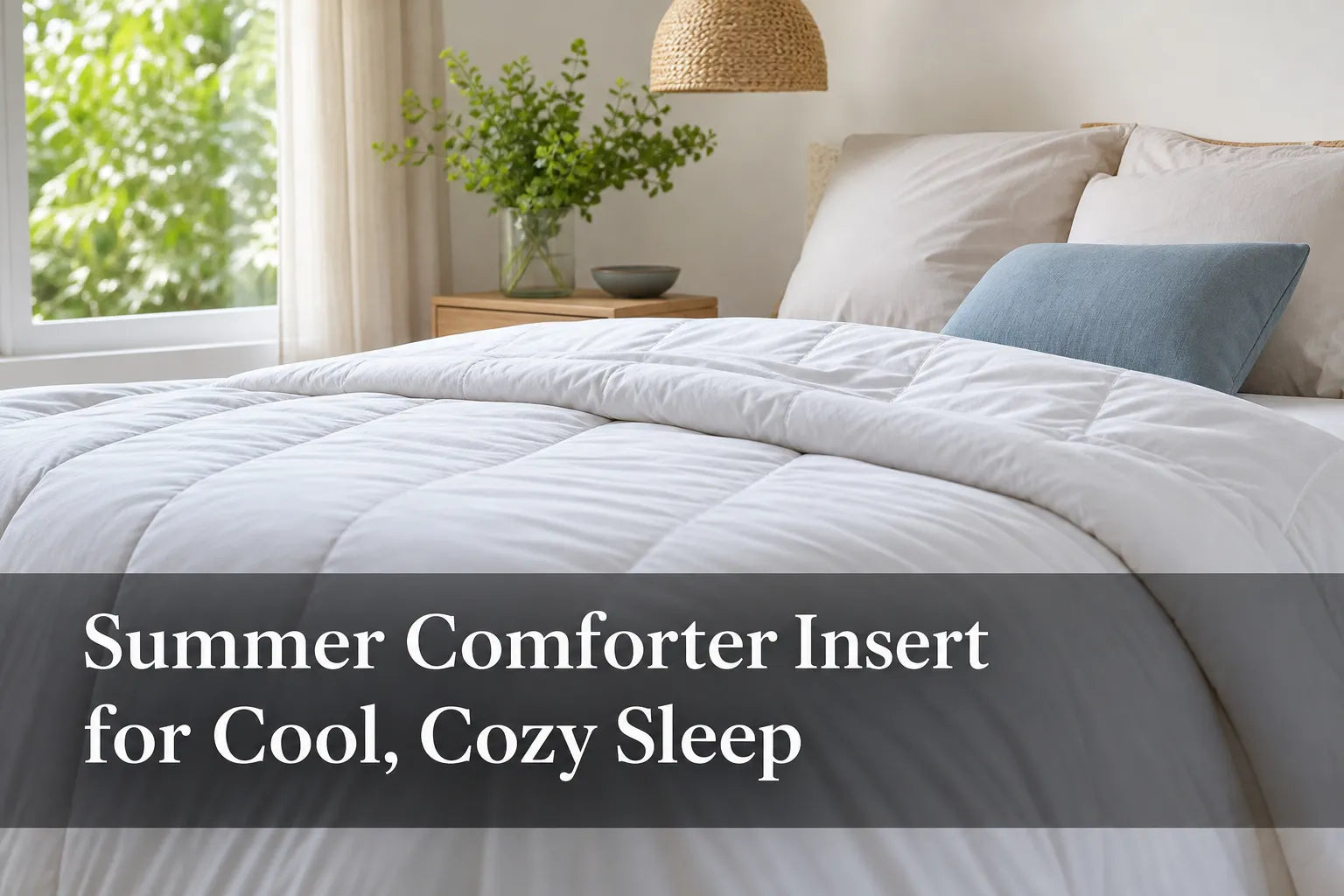

Best Organic Comforter for Cleaner, Cozier Sleep
If you’re searching for the best organic comforter, chances are you want more than just another fluffy layer for your bed. You want breathable comfort, cleaner materials, dependable warmth, and that unmistakable feeling of slipping into a bed that looks beautiful and helps you truly rest.
Many shoppers quickly discover that “organic” on a product page doesn’t always tell the full story. Some comforters use organic shells but synthetic fills. Others feel lovely for a week, then flatten, trap heat, or become difficult to care for. And if you’re shopping for a couple, a family bedroom, or a seasonal refresh, the right choice needs to balance softness, temperature regulation, durability, and style.
At Warmy & Tummy, we believe bedding should feel comforting in every sense: premium against the skin, thoughtfully made, and easy to choose with confidence. This guide brings together what top-ranking comforter reviews get right, where they leave questions unanswered, and how to choose a comforter that genuinely supports cleaner, cozier sleep.
What the top organic comforter guides agree on
After reviewing leading competitor content, a few themes consistently stand out:
Organic cotton is the most trusted shell material for comforters.
Buyers care deeply about breathability, especially hot sleepers and couples.
Certifications like GOTS, OEKO-TEX, and Responsible Down Standard help build trust.
Fill type matters just as much as the shell.
Shoppers want comforters suited to real-life needs: summer, winter, all-season, layering, and easy care.
Those are all important. But most articles stop short of helping readers make the final, practical decision.
The content gaps most shoppers still have
Here’s what many ranking articles gloss over, and where this guide goes further:
1. Organic shell vs. fully organic comforter
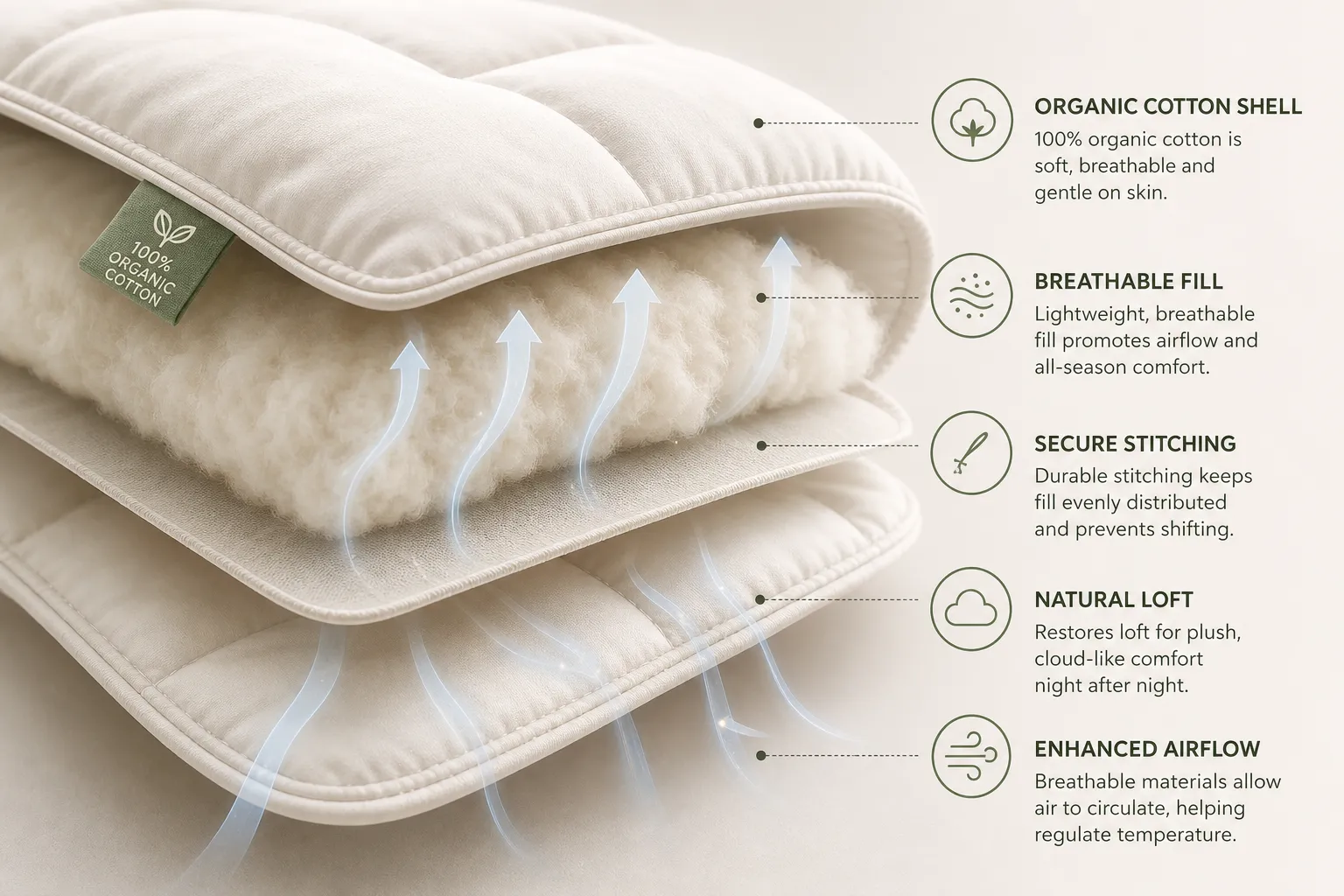
A comforter may have an organic cotton shell, but the fill could still be synthetic, recycled, or only partially natural. That doesn’t automatically make it a poor choice, but it does affect feel, airflow, loft, and overall sleep experience.
2. Warmth is not the same as breathability
A comforter can be warm and still breathable, or lightweight and still stuffy. Fill power, stitching, shell weave, and moisture handling all shape how a comforter sleeps at night.
3. Couples need a different buying strategy
One person sleeps cold, the other sleeps hot. Many shoppers need mix-and-match or warmth-specific options, not a one-style-fits-all recommendation.
4. Care matters more than people think
Spot-clean-only may be perfectly acceptable for a guest room or luxury layer, but not ideal for everyday family use, pet owners, or anyone wanting lower-maintenance bedding.
5. Style is part of comfort
A comforter that looks elegant, drapes well, and coordinates with the rest of the room tends to stay on the bed, get used longer, and feel more satisfying as an investment.
What makes an organic comforter worth buying?
The best organic comforter should do five things well:
Factor |
What to Look For |
Why It Matters |
|---|---|---|
Materials |
Organic cotton, linen, silk, wool, or responsibly sourced down |
Cleaner feel, better comfort, more natural performance |
Breathability |
Moisture-wicking shell and airflow-friendly fill |
Helps reduce overheating and clamminess |
Warmth options |
Lightweight, all-season, extra warm |
Lets you match your climate and sleep style |
Construction |
Baffle box, quilted stitching, secure fill distribution |
Prevents bunching and uneven cold spots |
Long-term value |
Warranty, returns, service, quality craftsmanship |
Gives confidence in a premium purchase |
At Warmy & Tummy, these are exactly the standards we believe matter most. A premium comforter should feel beautiful on night one and still perform beautifully many seasons later.
The healthiest materials for cleaner sleep
When people talk about “healthy” bedding, they usually mean materials that feel gentler, breathe better, and avoid unnecessary chemical treatments. Here’s how the main options compare.
Organic cotton
Organic cotton is beloved for a reason. It’s soft, breathable, familiar, and ideal for most sleepers. As a comforter shell, it creates a clean, crisp, cozy feel that works especially well in all-season bedding.
Best for:
Everyday use
Sensitive skin
Couples
Layering with duvet covers
Silk
Silk-covered comforters feel smooth, elevated, and naturally temperature-regulating. They’re excellent for shoppers who want a luxurious hand-feel and elegant drape without heaviness.
Best for:
Luxury bedrooms
Moderate climates
Smooth, lightweight comfort
Linen
Linen has an airy, relaxed feel and a naturally textured beauty. It’s an especially appealing choice for shoppers who want breathability with a more casually refined aesthetic.
Best for:
Warm climates
Relaxed, elevated bedroom styling
Natural texture lovers
Goose down
Responsibly sourced goose down offers some of the best warmth-to-weight performance available. It creates lofty, cloudlike comfort without necessarily feeling heavy, especially when paired with a breathable shell like organic cotton.
Best for:
Sleepers who love plush loft
Colder bedrooms
Hotel-style bedding fans
Merino wool
Wool naturally regulates temperature and moisture well. It can be an excellent option for sleepers who want a natural alternative to down with cozy insulation.
Best for:
Year-round balance
Cooler sleepers
Natural fiber enthusiasts
Cooling performance fabrics
Some sleepers need more active moisture and heat management. Premium cooling blends, including Tencel-based options, can offer a sleeker, cooler sleep surface.
Best for:
Hot sleepers
Humid climates
Couples with different temperature needs
How to read certifications without getting overwhelmed
Certifications are one of the simplest ways to separate thoughtful bedding from clever marketing.
GOTS
GOTS is the gold standard for organic textiles. It signals high organic fiber content and stricter processing requirements.
OEKO-TEX Standard 100
This certification focuses on testing for harmful substances in the finished product. It does not mean organic, but it does help reassure shoppers about chemical safety.
Responsible Down Standard
If you want the loft of down, this is an important standard for animal welfare and supply chain accountability.
GREENGUARD and similar low-emission standards
These help indicate lower chemical emissions, which may be especially appealing for shoppers focused on air quality and more sensitive sleep environments.
The biggest comforter mistake: choosing by material alone
One of the most common mistakes shoppers make is choosing purely based on the outer fabric. The shell matters, but fill and construction matter just as much.
For example:
An organic cotton shell with poor fill distribution can sleep unevenly.
A down comforter can feel light and breathable or overly warm depending on fill weight.
A cooling shell won’t solve overheating if the inner fill traps too much heat.
A beautifully organic comforter can still be frustrating if it’s hard to clean or doesn’t fit your duvet properly.
That’s why the best buying decision comes from matching material + warmth level + construction + lifestyle needs.
How to choose the right comforter for your sleep style
For hot sleepers
Look for lightweight organic cotton, linen, silk, or cooling-performance options. Lower-weight fills and breathable shells usually outperform heavily lofty styles.
For cold sleepers
Choose goose down, wool, or a warmer all-season comforter with strong loft and reliable insulation.
For couples
Different sleep temperatures call for flexibility. Warmy & Tummy’s customizable mix-and-match comforter options are especially helpful here, allowing households to choose the feel and warmth level that suits real sleep habits instead of settling for a compromise.
For families and everyday use
An easy-care organic cotton comforter or duvet-friendly insert often makes the most sense. Durability, washable layers, and practical styling matter.
For luxury-focused shoppers
Silk, premium goose down, and elegant limited-edition bedding collections can create a boutique-hotel feel while still supporting deeper, more restful sleep.
Lightweight, all-season, or winter-warm?
Warmth level is one of the most important buying decisions, yet many articles discuss it too vaguely. Here’s a more useful breakdown.
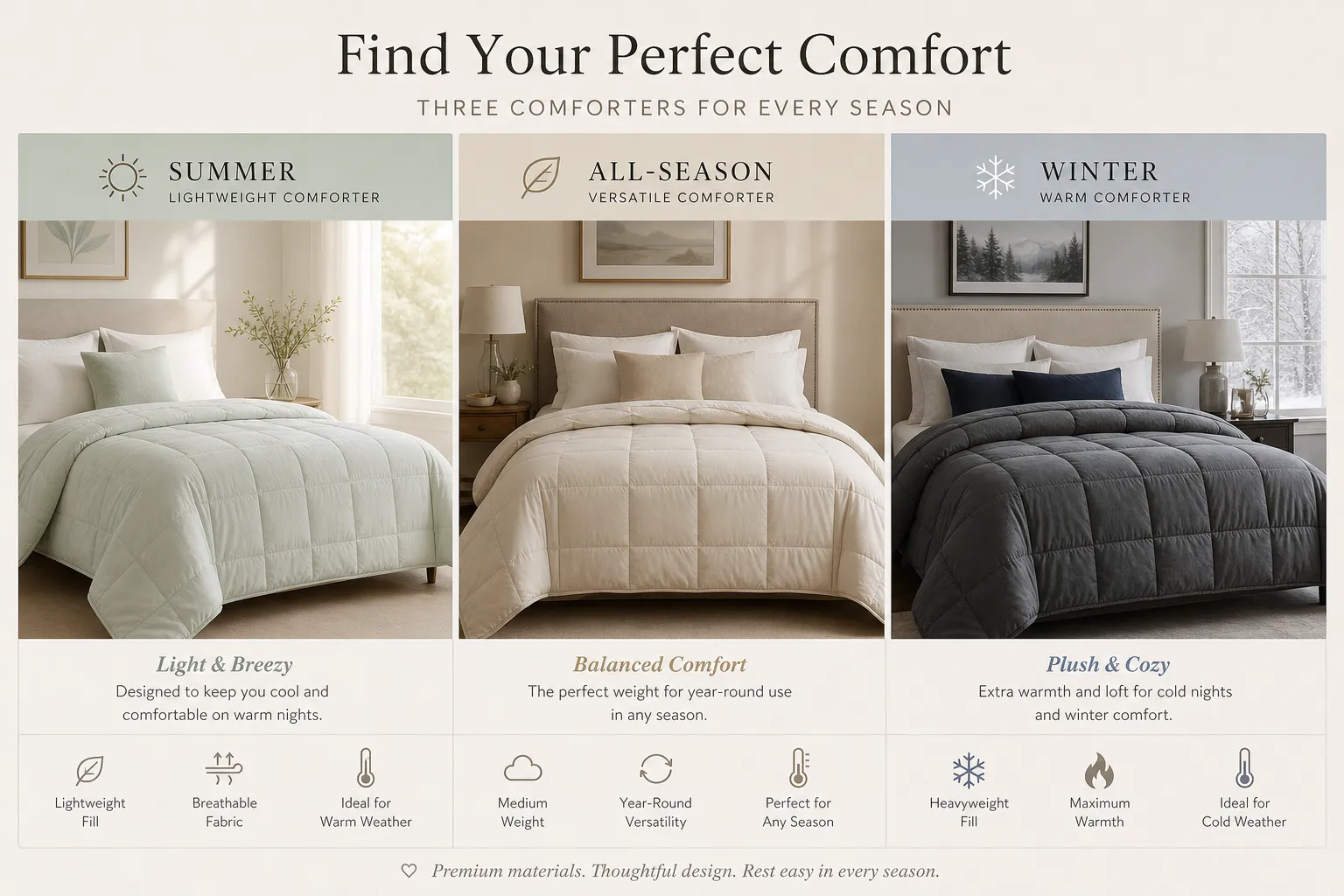
Warmth Level |
Best For |
Feel |
|---|---|---|
Lightweight |
Summer, hot sleepers, warm climates |
Airy, breathable, easy to layer |
All-season |
Most households, year-round use |
Balanced warmth and versatility |
Extra warm |
Winter, cold sleepers, drafty rooms |
Cozy, insulating, fuller loft |
For many shoppers, an all-season comforter is the safest starting point. But if your room runs hot or you live in a warmer climate, a lightweight option may actually lead to better sleep. At Warmy & Tummy, we recommend choosing the warmth level based on your room temperature, not just the calendar.
Comforter vs duvet insert: which is better?
This depends on how you live.
Choose a comforter if:
You want a finished, ready-to-use bed
You prefer fewer layers to manage
You care about the visual look of the bedding itself
Choose a duvet insert if:
You like changing styles seasonally
You want easier washing through removable duvet covers
You want to protect a premium insert over time
Warmy & Tummy offers both comfort-focused essentials and beautifully coordinated bedding layers, making it easier to create a bed that looks polished while staying practical.
Why breathable bedding matters for better sleep
Breathability isn’t just a comfort buzzword. It affects whether you stay asleep, wake up clammy, kick off the bedding at 2 a.m., or feel comfortably settled through the night.
Shoppers often assume they need the fluffiest option available. But the best sleep usually comes from balanced temperature regulation, not maximum loft at all costs. This is especially true for couples and households with changing seasonal needs.
Premium organic bedding helps by combining natural materials with thoughtful construction, so the comforter can insulate without suffocating heat flow.
A quick buyer’s checklist before you order
Before you buy, ask these questions:
Is the shell actually organic, and is that clearly stated?
What is the fill made from?
Is the comforter designed for lightweight, all-season, or extra-warm use?
Will it work for your room temperature and sleep style?
Is it machine washable, spot clean only, or best used with a cover?
Does the brand offer returns, responsive support, and warranty protection?
Will the style still suit your room six months from now?
These questions can save you from choosing a comforter that sounds impressive but doesn’t feel right in daily life.
Where Warmy & Tummy stands out
A lot of competitor roundups recommend brands across many categories, but few explain what makes a bedding brand genuinely easier and more reassuring to shop from.
Warmy & Tummy stands out by combining premium comfort with practical flexibility:
Premium bedding designed for deeper, more restful sleep
Every comforter should feel indulgent, but also purposeful. Our focus is helping customers sleep more comfortably night after night, not simply decorating the bed.
A wide range of comforters for different seasons and warmth preferences
Not every sleeper needs the same fill, shell, or loft. That’s why variety matters.
High-quality materials
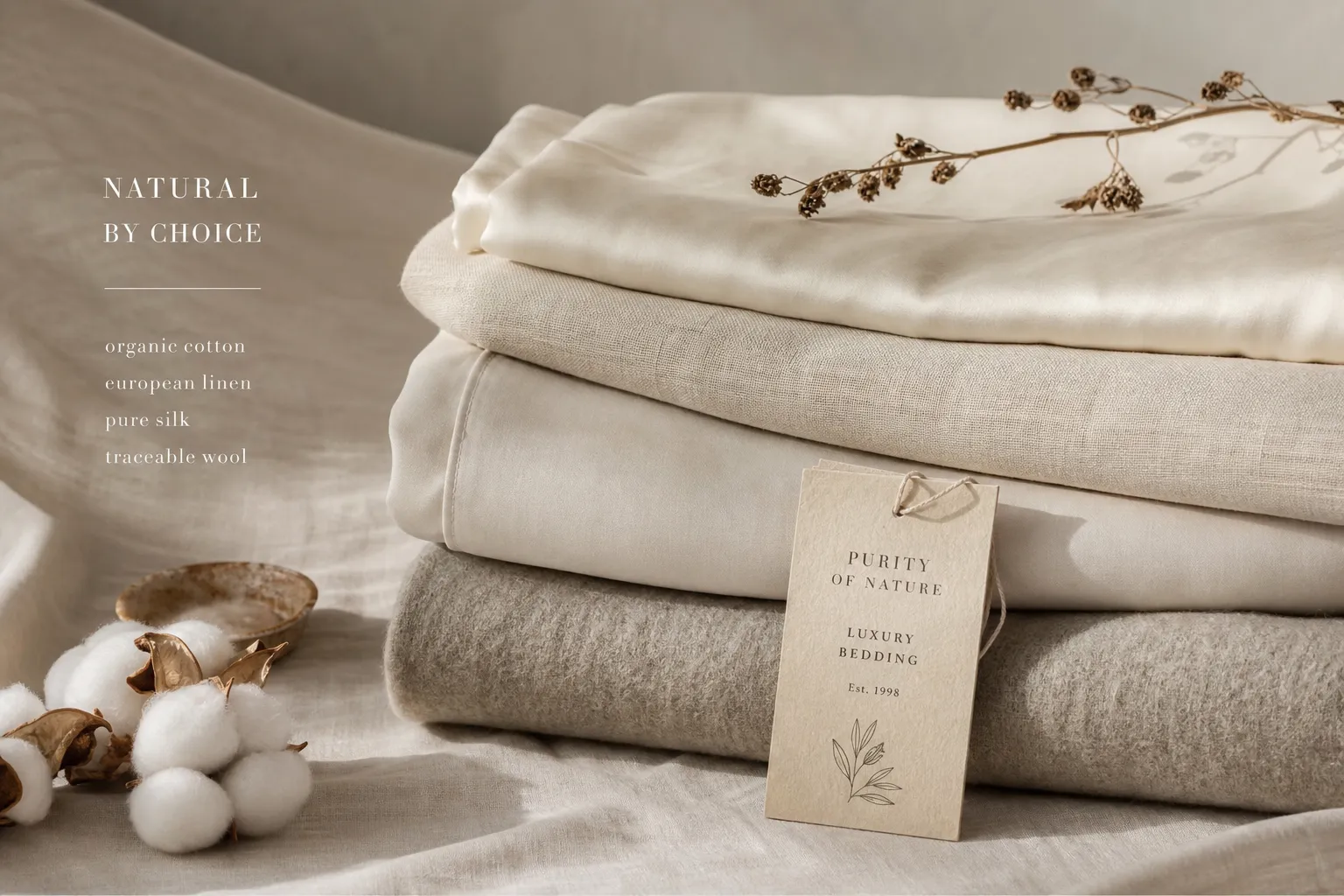
From organic cotton and silk to European linen, goose down, merino wool, and cooling fabrics, Warmy & Tummy brings together elevated materials that support different lifestyles and sleep needs.
Customizable mix-and-match comforter options
This is especially valuable for couples or anyone fine-tuning their ideal sleep setup.
Eco-friendly choices
We know many shoppers want bedding that feels more responsible as well as more comfortable. Sustainable options help support that balance.
Luxury style with personality
Warmy & Tummy’s refined designs and limited-edition collections make it easier to create a bedroom that feels calm, inviting, and beautifully put together.
Easy online shopping with real reassurance
30-day hassle-free returns and money-back guarantee
Fast customer service via email and chat
Free shipping in the USA on qualifying orders
More than 20 years of bedding experience
A 3-year limited warranty for added confidence
These details matter. Premium bedding should come with premium support.
Common myths about organic comforters
“Organic always means cooler”
Not necessarily. Organic cotton can breathe beautifully, but warmth depends on fill, loft, and construction too.
“Down is too hot for most people”
Not always. High-quality down can be surprisingly breathable when paired with the right shell and fill weight.
“One all-season comforter works for everyone”
It works for many people, but not all. Room temperature, body heat, partner preferences, and climate still matter.
“Luxury comforters are mostly about looks”
A good one should also offer better construction, feel, durability, and service. Beauty is a bonus, not the whole value.
Final verdict: what is the best organic comforter?
The best organic comforter is the one that matches your real sleep life, not just a label.
For most shoppers, that means:
A breathable organic shell
A fill that suits your warmth preference
Construction that prevents bunching and cold spots
Quality materials that feel soft, lofty, and durable
Brand support that makes the purchase feel safe
If you want cleaner, cozier sleep with a more premium feel, Warmy & Tummy is a beautifully practical place to start. With organic cotton, silk, linen, goose down, merino wool, and cooling options, plus customizable comforter choices and dependable customer care, the brand makes it easier to build a bed that feels truly personal.
Whether you want a crisp all-season organic cotton layer, a lofty goose down comforter for cooler nights, or a mix-and-match setup that finally works for both sides of the bed, Warmy & Tummy helps turn better sleep into something tangible.
If you’re ready to upgrade your bedding, choose a comforter that looks refined, feels restorative, and is backed by thoughtful service from people who understand sleep comfort inside and out.
FAQ
What is the healthiest bedding to use?
The healthiest bedding is typically made with breathable, thoughtfully sourced materials like organic cotton, linen, silk, or wool, ideally supported by certifications such as GOTS or OEKO-TEX. A comforter that balances clean materials, airflow, and the right warmth level can help create a more comfortable and reassuring sleep environment.
Why is my wife's side of the bed yellow?
Yellowing on one side of the bed often comes from a mix of body oils, sweat, skincare products, and natural moisture over time. Using breathable bedding, washing covers regularly, and protecting your comforter with a duvet cover can help keep your bed looking fresher for longer.